
How to Treat Cystic Acne Without Damaging Your Skin?
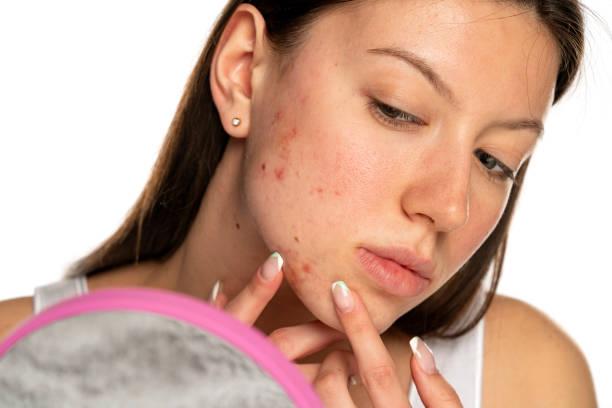
Cystic acne is one of the more severe forms of acne and can cause deep, painful, inflamed bumps beneath the skin. Unlike ordinary pimples, these lesions may take longer to heal and can increase the risk of permanent scarring if handled incorrectly. Treating cystic acne requires patience, suitable skincare, and professional guidance to avoid unnecessary irritation or skin damage. Professional Acne Treatment in Riyadh can help manage severe breakouts, reduce inflammation, and protect the skin through treatments selected according to individual skin needs.
Many people try to remove cystic pimples by squeezing, scrubbing, or applying several strong skincare products at once. However, these methods can worsen inflammation, damage surrounding tissue, and increase the likelihood of scars and dark marks. A carefully planned approach to Acne Treatment in Riyadh focuses on controlling acne while maintaining the skin's natural protective barrier. Understanding the causes of cystic acne and choosing appropriate treatments can support healthier skin and reduce the risk of long-term damage.
What Is Cystic Acne?
Cystic acne is a severe inflammatory form of acne that develops when pores become blocked with excess sebum and dead skin cells. Bacteria and inflammation can contribute to deep lesions that form beneath the skin's surface.
These breakouts often appear as swollen, tender lumps and may contain pus. They commonly develop on the face, jawline, chest, shoulders, and back. Unlike superficial pimples, cystic acne can affect deeper layers of the skin, making it more likely to leave scars.
What Causes Cystic Acne?
Several factors can contribute to the development of cystic acne.
Excess Oil Production
Sebaceous glands produce sebum to keep the skin moisturized. Excessive oil can combine with dead skin cells and contribute to blocked pores, creating conditions that encourage acne development.
Hormonal Changes
Hormonal fluctuations can increase sebaceous gland activity. Puberty, menstrual cycles, and certain hormonal conditions may contribute to persistent or severe acne.
Bacterial Activity and Inflammation
When pores become blocked, acne-associated bacteria can multiply within the follicle. The resulting inflammatory response may contribute to deep, painful lesions.
Genetics
A family history of severe acne may increase the likelihood of developing cystic breakouts. Genetics can influence oil production, skin characteristics, and the tendency to develop inflammation.
Certain Medications and Products
Some medications and skincare products may aggravate acne in certain individuals. A dermatologist can help identify possible triggers and recommend suitable alternatives.
How Can You Treat Cystic Acne Without Damaging Your Skin?
Treating cystic acne safely means reducing inflammation without irritating or injuring the skin. The most suitable approach depends on acne severity, skin sensitivity, and medical history.
Avoid Squeezing or Popping Pimples
Cystic pimples develop deep beneath the skin, so squeezing them can push inflammation further into surrounding tissue. This may increase pain, swelling, infection risk, and permanent scarring. Avoid picking or attempting to drain deep lesions at home.
Use a Gentle Cleanser
Wash the affected areas with a mild cleanser that does not strip the skin. Cleansing twice daily is generally sufficient for most people. Avoid rough scrubs, abrasive brushes, and excessive washing because these can damage the skin barrier.
Apply Suitable Acne Products
Ingredients such as benzoyl peroxide and salicylic acid may help manage certain acne concerns. Topical retinoids can also help prevent clogged pores. However, these ingredients should be introduced carefully because using too many active products together may cause dryness, redness, and irritation.
Keep the Skin Moisturized
A lightweight, non-comedogenic moisturizer can help maintain hydration and support the skin barrier. Even oily and acne-prone skin needs moisture, particularly when using acne medications.
Protect Your Skin From Sun Exposure
Use broad-spectrum sunscreen suitable for acne-prone skin. Sun protection is especially important when acne treatments make the skin more sensitive. It can also help reduce the worsening of dark marks left after breakouts.
Which Professional Treatments Can Help With Cystic Acne?
Severe cystic acne often requires medical treatment rather than skincare products alone. A dermatologist may recommend one or more options after examining the skin.
Prescription Topical Medications
Topical retinoids can help prevent blocked pores, while benzoyl peroxide may reduce acne-associated bacteria and inflammation. Prescription combinations may be recommended depending on the severity of the condition.
Oral Antibiotics
For certain cases of moderate to severe inflammatory acne, a dermatologist may prescribe oral antibiotics for a limited period. These medications help reduce inflammation and bacterial activity and are often combined with topical treatments.
Hormonal Treatments
For some women, hormonal medications such as certain combined oral contraceptives or spironolactone may help manage acne associated with androgen activity. These options require medical evaluation and are not suitable for everyone.
Oral Isotretinoin
For severe, persistent, or scarring cystic acne, oral isotretinoin may be considered. It can significantly reduce oil production and acne activity. However, it has important potential side effects and strict safety requirements, so treatment must be supervised by a qualified medical professional.
Corticosteroid Injections
A dermatologist may use an intralesional corticosteroid injection for selected large, painful cysts. This can help reduce inflammation and swelling relatively quickly. It is a medical procedure and should never be attempted at home.
How Can You Prevent Cystic Acne From Getting Worse?
Consistent skincare habits can support treatment and reduce avoidable irritation.
-
Wash your face gently and avoid aggressive exfoliation.
-
Choose non-comedogenic skincare, makeup, and sunscreen.
-
Avoid frequently touching or picking affected areas.
-
Clean makeup brushes and other items that regularly contact your skin.
-
Change out of sweaty clothing and cleanse gently after exercise.
-
Follow prescribed medication instructions and attend recommended follow-up appointments.
-
Avoid introducing several new active ingredients at the same time.
These habits can support skin health, but they cannot replace medical treatment when cystic acne is severe.
When Should You See a Dermatologist?
You should seek professional advice if you have deep, painful breakouts, recurring cysts, or acne that leaves scars. Early treatment is particularly important because severe inflammation can cause lasting changes to the skin.
A dermatologist can assess the severity of acne, identify possible triggers, and recommend a treatment plan suited to your skin. Professional care is also helpful if over-the-counter products have caused irritation or have not improved the condition.
Book Your Acne Consultation at Royal Clinic Saudia
Cystic acne requires careful management to reduce inflammation while protecting the skin from unnecessary damage. At Royal Clinic Saudia, individuals can seek a professional skin assessment and guidance on suitable acne care options. A personalized approach can help manage severe breakouts, reduce the risk of scarring, and support healthier-looking skin.
FAQs:
Can cystic acne heal without leaving scars?
Some cystic acne lesions heal without permanent scars, but deep inflammation increases the risk of scarring. Early and appropriate treatment can help reduce this risk.
Should I pop a cystic pimple?
No. Popping or squeezing a cystic pimple can worsen inflammation, damage surrounding tissue, and increase the risk of infection and scarring. A dermatologist can recommend safe treatment for painful lesions.
How long does cystic acne treatment take?
Improvement often requires several weeks, while more significant results may take several months. The timeline depends on acne severity, the treatment selected, and individual response.
Is cystic acne caused by poor hygiene?
No. Cystic acne is not simply caused by poor hygiene. Hormones, excess oil production, inflammation, genetics, and other factors can contribute. Overwashing or scrubbing the skin may actually make irritation worse.

 English
 Arabic
 French
 Spanish
 Portuguese
 Deutsch
 Turkish
 Dutch
 Russian
 Romaian
 Portuguese (Brazil)
 Greek
