
Why Do Some Tattoos Require More Laser Removal Sessions?
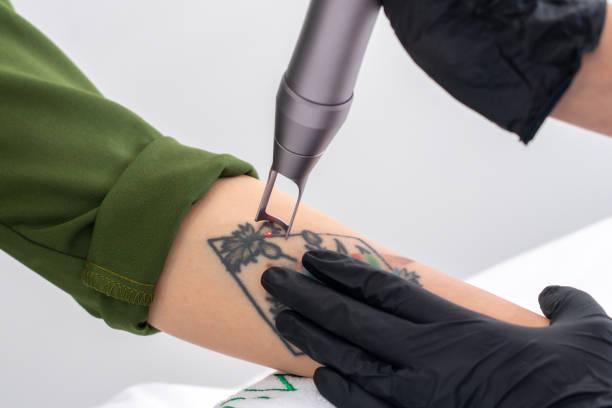
Laser tattoo removal does not produce the same results for everyone. While some tattoos fade noticeably after a few treatments, others require several sessions to achieve the desired improvement. This difference occurs because tattoo ink varies in color, depth, density, and composition. Individual skin characteristics and the body's natural healing response also influence how quickly pigment is cleared. Understanding these factors can help explain why Laser Tattoo Removal in Riyadh may require a different treatment schedule for each person.
The laser works by delivering controlled pulses of light energy that break tattoo pigment into smaller particles. The immune system then gradually processes and clears these fragments over time. Because this process happens progressively, one appointment is rarely enough to remove an entire tattoo. During Laser Tattoo Removal in Riyadh, the practitioner evaluates the tattoo's characteristics and skin response to determine how many sessions may be needed for effective fading.
How Does the Laser Tattoo Removal Process Work?
Laser tattoo removal uses specific wavelengths of light to target pigment particles deposited in the dermis. When the ink absorbs the laser energy, larger particles break into smaller fragments that the body's immune system can gradually clear.
The laser does not immediately remove all the ink from the skin. Instead, the body needs time to process the fragmented pigment between appointments. This is why treatments are spaced several weeks apart and why the tattoo may continue fading after each session.
Factors That Make Some Tattoos Require More Sessions
Several factors influence how quickly a tattoo responds to laser treatment. Understanding them helps explain why two tattoos of similar size may need very different treatment schedules.
Tattoo Ink Color
Ink color is one of the most important factors affecting removal. Black and dark blue pigments generally absorb laser energy effectively and may respond more quickly to treatment.
Green, turquoise, yellow, and certain lighter pigments can be more difficult to remove because they absorb different wavelengths. Some colors require specialized laser settings or additional sessions to achieve noticeable fading.
Ink Density and Saturation
A tattoo with heavy ink saturation contains more pigment than a lightly applied design. Since the laser must target the remaining pigment over multiple appointments, densely packed tattoos may require more treatments.
Professional tattoos can also contain several layers of ink, making the removal process more complex than it is for some simple amateur tattoos.
Depth of Tattoo Ink
Tattoo ink is deposited into the dermis, but its depth can vary depending on the tattooing technique. Pigment placed deeper in the skin may be more difficult to target and clear.
Uneven ink distribution can also affect treatment because some areas may fade faster than others. The practitioner may need to adjust the treatment approach according to the tattoo's depth and response.
Age of the Tattoo
Older tattoos may have faded naturally as the body's immune system gradually processes small amounts of pigment over time. This can sometimes make them easier to treat.
However, tattoo age does not guarantee faster removal. An old tattoo with dense or resistant pigments may still require several sessions, while some newer tattoos may respond well to appropriate laser treatment.
Tattoo Size and Design Complexity
Larger tattoos generally require more treatment time because they cover a wider area of skin. Designs containing multiple colors, overlapping patterns, or several layers of pigment can also be more challenging to remove.
Small tattoos may need fewer sessions, but their response still depends on ink composition, depth, and other individual factors.
How Does Skin Type Affect the Number of Sessions?
Skin type can influence laser selection, treatment settings, and recovery. Melanin, the natural pigment in the skin, absorbs certain laser wavelengths. This is particularly important for people with darker skin tones because unsuitable settings may increase the risk of pigmentation changes.
A practitioner may select a wavelength and energy level carefully to target tattoo ink while reducing unnecessary absorption by surrounding skin. Some patients may also need more conservative treatment settings or longer intervals between sessions to support safe recovery.
Why Does the Body Need Time Between Sessions?
Laser treatment breaks tattoo ink into smaller fragments, but the immune system plays an important role in clearing them. This biological process cannot be completed immediately.
After each appointment, the body gradually transports and processes the fragmented pigment. The treated skin also needs time to recover from temporary effects such as redness, swelling, tenderness, or blistering.
Allowing sufficient time between appointments supports the healing process and gives the practitioner an opportunity to assess how much fading has occurred before recommending another session.
Can Certain Tattoos Be More Resistant to Laser Removal?
Yes. Some tattoos contain pigments that respond less effectively to available laser wavelengths. White, yellow, pastel, and certain cosmetic tattoo inks can be particularly unpredictable.
Some pigments may also darken after laser exposure because of their chemical composition. For this reason, professional assessment is important before treatment, especially for tattoos containing unusual or mixed pigments.
In some cases, a tattoo may fade substantially but retain a faint outline or small areas of residual pigment even after multiple sessions.
How Can You Support Better Tattoo Removal Results?
Although the number of sessions depends largely on tattoo and skin characteristics, appropriate aftercare can support recovery and help reduce complications.
Patients should follow the practitioner's instructions, keep the treated area clean, avoid picking or scratching the skin, and protect it from direct sunlight. Blisters and scabs should be allowed to heal naturally rather than being disturbed.
Maintaining recommended intervals between sessions is also important. Scheduling additional treatments before the skin has recovered may increase irritation and the risk of unwanted effects.
How Is the Number of Laser Removal Sessions Determined?
There is no universal treatment schedule for every tattoo. The practitioner considers the tattoo's size, color, depth, density, location, and age, along with the patient's skin tone and healing history.
The response after the first few treatments can provide useful information about how the remaining pigment is reacting. The treatment plan may then be adjusted according to the fading achieved and the condition of the skin.
At Royal Clinic Saudia, patients can discuss their tattoo removal goals and receive guidance about suitable laser options, expected treatment intervals, possible side effects, and realistic results.
Book a Laser Tattoo Removal Consultation at Royal Clinic Saudia
If your tattoo is not fading as quickly as expected or you want to understand how many sessions may be required, arrange a consultation at Royal Clinic Saudia. A professional assessment can help identify the factors affecting your tattoo and guide you through an appropriate treatment plan and aftercare.
FAQs:
Why do some tattoos need more laser removal sessions than others?
The number of sessions depends on ink color, pigment density, tattoo depth, size, and individual skin response. Tattoos containing resistant pigments or several layers of ink may require additional treatments.
Do older tattoos require fewer laser removal sessions?
Some older tattoos may respond more quickly because their pigment has naturally faded. However, age alone does not determine the number of sessions needed.
Can a tattoo be removed in just one laser session?
Complete removal in one session is generally unlikely. Laser treatment breaks pigment into smaller fragments, and the body needs time to clear them gradually over multiple sessions.
Does tattoo color affect the number of laser treatments?
Yes. Black and dark blue inks often respond well to laser treatment, while green, yellow, turquoise, and some lighter pigments may require more sessions or specialized wavelengths.

 English
 Arabic
 French
 Spanish
 Portuguese
 Deutsch
 Turkish
 Italiano
 Russian
 Romaian
 Portuguese (Brazil)
 Greek
