
Backyard Renovation Cost and Budget Planning for Homeowners
What Does Backyard Renovation Cost Depend On?
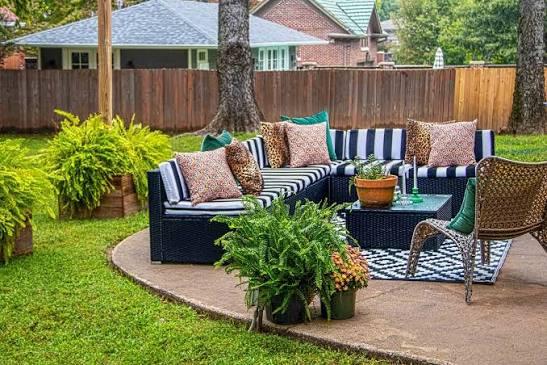
Backyard renovation cost depends on the size of the outdoor space, the type of improvements planned, the materials selected, and the amount of preparation required before construction begins. A simple backyard refresh involving new plants, lawn improvements, and decorative borders will generally require a different budget from a complete renovation that includes a paver patio, concrete walkway, retaining wall, outdoor seating area, and drainage improvements. Homeowners should first identify what they want their backyard to accomplish. Some families need a comfortable space for outdoor dining, while others want a low-maintenance landscape, a practical entertainment area, or a more attractive connection between the house and garden. Each goal affects the design and overall backyard renovation cost. Existing conditions also matter because removing old concrete, correcting uneven ground, improving drainage, and transporting materials can add work to a project. The most useful starting point is a clear list of priorities followed by an inspection of the property. A detailed estimate can then explain the labor, materials, preparation, and installation involved. Planning the project around actual needs helps homeowners avoid spending money on features that do not improve the usability or appearance of their outdoor space.
How Much Does a Typical Backyard Renovation Cost?
Backyard renovation cost can vary significantly depending on the project's size and complexity. Published United States cost guides describe minor improvements as projects that may cost up to around $10,000, mid-level renovations as approximately $25,000 to $50,000, and major transformations as potentially reaching $100,000 to $150,000. These figures are broad planning references rather than guaranteed prices for an individual property. A smaller project involving lawn improvements, planting beds, and a modest patio may require a much lower investment than a backyard with extensive paving, a deck, outdoor kitchen, pool, and custom landscaping. The local labor market, material availability, property access, and site preparation requirements also influence the final backyard renovation cost. Homeowners should avoid treating a national average as a contractor quotation because local conditions can produce different results. A written estimate based on measurements and an inspection is more useful than a general online figure. It should explain which features are included, which materials are proposed, and whether demolition, disposal, grading, drainage, or permits are part of the price. Setting a realistic budget before choosing finishes can help keep the renovation organized and financially manageable.
Which Backyard Features Have the Biggest Impact on Renovation Cost?
The features selected for an outdoor project can make a major difference in backyard renovation cost because each improvement involves different materials, installation requirements, and labor. Patios, decks, retaining walls, fences, outdoor kitchens, lighting systems, and drainage improvements are common elements in residential backyard renovations. A simple planting project may involve soil preparation, plants, mulch, and edging, while a paved entertainment area may require excavation, a compacted base, bedding material, pavers, and precise finishing. Retaining walls can require additional preparation and drainage considerations, especially when the property has a slope. Outdoor kitchens may involve electrical, plumbing, gas, and construction work that must be coordinated by appropriate professionals. Homeowners should decide which features will provide the greatest everyday value before committing to a complete design. Backyard renovation cost becomes easier to manage when the project is divided into essential improvements and optional upgrades. A comfortable patio and practical walkway may be more important than several decorative features that are rarely used. Prioritizing the layout, drainage, and main outdoor living area can create a functional foundation for future improvements without requiring every feature to be installed at once.
How Does Patio Installation Affect Backyard Renovation Cost?
Patio installation is one of the most noticeable elements of many backyard improvement projects, and its size, material, and construction requirements can influence backyard renovation cost. A poured concrete patio, concrete paver patio, natural stone surface, and decorative brick installation each have different material and labor requirements. The existing ground condition is also important because the installation may require removal of old materials, excavation, grading, and preparation of a stable base. Larger patios generally require more materials and installation time, while intricate patterns, borders, curves, and multiple levels can increase the complexity of the work. Homeowners should also consider how the patio will connect with the house, garden, walkway, and other outdoor features. A properly planned surface should support comfortable movement and direct water away from areas where it could cause problems. Backyard renovation cost estimates should clearly identify the patio dimensions, selected materials, base preparation, edging, and finishing work. Choosing a patio only by its initial material price can overlook important installation requirements. A detailed comparison of complete installation estimates helps homeowners understand the value of the proposed work and choose a surface that suits the property's design and expected use.
How Do Paver Patios Influence the Overall Project Budget?
Paver patios offer homeowners flexibility in color, shape, pattern, and layout, making them a popular option for outdoor living spaces. Their installation can influence backyard renovation cost through the price of the pavers, excavation, base materials, edge restraints, bedding material, labor, and finishing details. Standard concrete pavers, premium decorative pavers, and natural stone products can have different purchase and installation costs. The pattern selected also matters because straight layouts may involve less cutting than complex designs with curves, borders, and multiple colors. A suitable base is essential because pavers need stable support to help maintain an even surface under normal use. If the existing ground contains unsuitable material or has drainage problems, additional preparation may be necessary before installation. Homeowners should ask whether the quotation includes excavation, disposal, compaction, bedding material, edge restraints, joint material, and final cleanup. Backyard renovation cost should reflect the complete installation rather than only the visible paving products. Harringtons Paving lists paving and masonry services that may be relevant to outdoor surface improvements. Property owners can discuss the desired patio design, measurements, and site conditions with the company to understand which options are suitable for their project and service area.
Does Concrete Installation Make a Backyard Renovation More Expensive?
Concrete can be a practical material for patios, walkways, steps, and other outdoor surfaces, but its effect on backyard renovation cost depends on the size, thickness, finish, reinforcement requirements, and site preparation. A basic concrete surface may have different installation requirements from a decorative stamped finish, exposed aggregate surface, or design that includes multiple levels and borders. Before pouring concrete, contractors may need to remove existing materials, prepare the ground, establish the required slope, and install suitable forms. The amount of concrete, accessibility for delivery equipment, and distance from the work area can also influence the estimate. Homeowners should consider how the surface will be used and whether it needs to support foot traffic, outdoor furniture, or heavier loads. Drainage should also be considered because water should not collect near the house or create inconvenient low spots. Backyard renovation cost estimates should identify the concrete finish, preparation, installation area, and any additional work. A low price that excludes necessary ground preparation may not represent the full project expense. Comparing complete written quotations helps property owners understand the difference between a basic installation and a more detailed concrete design that offers a particular appearance or functional benefit.
How Much Should You Budget for Backyard Landscaping?
Landscaping can include lawn installation, garden beds, shrubs, trees, decorative stone, edging, soil improvements, and irrigation, so backyard renovation cost depends on the amount and type of work included. A small landscaping update may involve adding mulch and several plants, while a larger project can require removing existing vegetation, improving soil, installing new lawn areas, and creating multiple planting zones. The size of the property is only one factor because plant selection, soil condition, access, and design complexity also influence the estimate. Mature trees and larger shrubs generally require different handling and installation arrangements from small plants. Irrigation systems can add another cost because they may require pipes, valves, controllers, and coordination with the existing water supply. Homeowners should think about maintenance requirements as well as the initial installation price. A landscape that looks attractive but requires frequent watering, trimming, and replacement may not suit every household. Backyard renovation cost can be planned more effectively by choosing plants that fit the local climate and available sunlight and by grouping features according to their watering and maintenance needs. A professional landscaping plan can help balance appearance, usability, and ongoing care while keeping the project within the homeowner's intended budget.
How Do Walkways and Garden Paths Affect Renovation Expenses?
Walkways and garden paths improve movement around an outdoor space and can connect the patio, lawn, garden, entrance, and other backyard features. Their design and materials contribute to backyard renovation cost because each surface requires different preparation and installation work. Concrete paths may provide a simple continuous walking surface, while paver and natural stone paths offer more choices in color and layout. Gravel paths can provide a different appearance but may require edging and regular maintenance to keep the material in place. The length and width of the walkway, the number of curves, and the condition of the ground all influence the amount of work required. A path installed across a sloped or uneven area may need additional grading or steps to create a comfortable route. Homeowners should also consider drainage so rainwater does not collect on the walking surface or flow toward the house. Backyard renovation cost estimates should include the full path dimensions, material, base preparation, edging, and installation. Planning walkways alongside the patio and landscaping can create a more coordinated design than installing separate features without considering how people will move through the space. A well-planned path can make the backyard more practical while connecting its different areas.
Can Retaining Walls Increase Backyard Renovation Cost?
Retaining walls can increase backyard renovation cost because they involve more than placing decorative blocks along a garden border. Their design depends on the height, length, soil conditions, slope, drainage requirements, and materials selected. Some small landscape borders may be relatively straightforward, while taller walls or walls supporting significant soil loads may require engineering, permits, and specialized construction. Proper drainage is particularly important because water pressure behind a retaining wall can contribute to movement or deterioration when the system is not designed correctly. The contractor may need to excavate the area, prepare a suitable base, install drainage materials, and build the wall according to the project's requirements. Natural stone, concrete blocks, and other wall systems have different material and installation characteristics. Homeowners should not select a wall solely according to appearance because the structure must also be appropriate for the site conditions. Backyard renovation cost estimates should explain the wall dimensions, material, base preparation, drainage provisions, and any engineering or permit-related expenses. If a property has a significant slope or an existing wall showing movement, a qualified professional should assess the conditions before work begins. Planning the wall together with the patio, lawn, and drainage layout can help create a more organized outdoor space.
What Is the Cost of Adding Outdoor Lighting to a Backyard?
Outdoor lighting can improve the appearance and usability of a backyard after sunset, but its effect on backyard renovation cost depends on the number of fixtures, wiring requirements, controls, and installation conditions. Homeowners may choose pathway lights, wall-mounted fixtures, garden spotlights, step lighting, or lighting around a patio and seating area. Solar fixtures can be suitable for certain decorative applications, while wired systems may offer different control and performance options. The location of the lights should be planned carefully so that important walking areas are visible without creating uncomfortable glare for people using the space. Electrical installation should be completed by appropriately qualified professionals, especially where wiring, outdoor outlets, or connections to the household electrical system are involved. Existing landscaping and paving may also affect installation because some work is easier to complete before new surfaces are installed. Backyard renovation cost planning should therefore include lighting decisions early enough to coordinate them with paving, garden beds, and other construction activities. Homeowners should ask whether the estimate includes fixtures, wiring, controls, installation, and any required electrical work. A practical lighting plan can focus on essential routes and seating areas first, with decorative additions considered later if the budget allows.
How Do Fences Affect the Total Backyard Renovation Budget?
Fencing can provide privacy, define property boundaries, and create a clearer separation between different outdoor areas. Its contribution to backyard renovation cost depends on the total length, fence height, material, gate requirements, ground conditions, and removal of existing structures. Wood, vinyl, metal, and other fencing materials have different purchase, installation, and maintenance requirements. A property with slopes or uneven ground may need additional planning to maintain a consistent appearance and appropriate boundary alignment. Gate placement also matters because wider openings may be needed for garden equipment, maintenance access, or movement between outdoor areas. Before installing a fence, homeowners should confirm property boundaries and review local requirements that may apply to height, placement, and permits. Existing trees, underground utilities, and nearby structures can also affect the installation process. Backyard renovation cost estimates should clearly identify the fence material, length, height, number of gates, posts, and removal or disposal work. Homeowners should compare the expected maintenance requirements as well as the initial price. Selecting a fence that fits the property's layout and intended use can help create a more private and organized outdoor environment without adding unnecessary features.
How Much Does Site Preparation Add to Backyard Renovation Cost?
Site preparation is an important part of outdoor construction because the condition of the existing yard determines what must happen before new features can be installed. Backyard renovation cost may increase when a project requires removal of old patios, damaged walkways, unwanted structures, tree roots, unsuitable soil, or leftover construction material. Excavation, grading, leveling, compaction, and disposal can also require additional labor and equipment. A yard that appears simple from the surface may contain buried debris, uneven ground, or drainage issues that become visible only after work begins. Homeowners should ask the contractor to inspect the site and explain which preparation tasks are expected. The estimate should distinguish between planned preparation and additional work that may become necessary if hidden conditions are discovered. This is particularly important for projects involving large paved surfaces, retaining walls, or structures that depend on stable ground. Backyard renovation cost should not be calculated using the finished materials alone because the preparation stage can affect the quality and performance of the completed installation. Planning for site preparation from the beginning can reduce confusion during construction and help homeowners understand why two properties with similar backyard dimensions may receive different estimates.
Why Is Drainage Important in a Backyard Renovation?
Drainage is an important consideration because poorly managed rainwater can affect lawns, patios, walkways, retaining walls, and the foundation of a nearby building. Backyard renovation cost may include additional work when the property has low areas, water collection, unsuitable slopes, or existing drainage problems. Surface grading can help direct water toward appropriate drainage locations, while other systems may be necessary depending on the site conditions. Downspout discharge should also be considered because roof runoff can add substantial water to a small part of the yard. A new patio should be planned with suitable slopes so that water does not collect against the house or remain on the walking surface. Retaining walls may require drainage provisions behind the structure, and planting areas may need soil improvements to support healthy growth. Homeowners should not assume that a decorative surface will solve an existing water problem. Backyard renovation cost estimates should explain any proposed grading, drainage channels, collection systems, or related work. The appropriate solution depends on the property's layout and local requirements, so a professional assessment may be necessary before selecting a system. Addressing water management during the design stage can help protect the completed renovation and reduce the chance of recurring maintenance problems.
Does Backyard Renovation Cost More When You Choose Premium Materials?
Premium materials can increase backyard renovation cost because they may have higher purchase prices, specialized installation requirements, or additional preparation needs. Natural stone, high-end pavers, decorative concrete finishes, composite decking, custom edging, and specialized outdoor fixtures can all affect the final project budget. However, the most expensive material is not automatically the best choice for every property. Homeowners should compare appearance, durability, maintenance requirements, availability, and suitability for the intended use. A patio used regularly for dining may need a surface that is comfortable to walk on and practical to maintain, while a decorative garden path may allow more flexibility in material selection. Color and texture should also be considered alongside nearby architecture, landscaping, and existing outdoor features. Backyard renovation cost can be controlled by using premium materials in focal areas and selecting simpler products for less visible sections. Contractors can explain how different materials affect installation and long-term maintenance. A detailed estimate should separate material costs from labor and preparation so that homeowners can compare alternatives accurately. Making informed choices helps create an attractive backyard without spending more than necessary on features that do not significantly improve the space.
How Can You Renovate a Backyard on a Limited Budget?
A limited budget does not prevent homeowners from creating a more useful and attractive outdoor space when improvements are planned in the right order. Backyard renovation cost can be managed by focusing on the features that solve practical problems first, such as damaged walkways, poor drainage, an unusable patio, or areas that require excessive maintenance. Instead of renovating the entire property at once, homeowners can divide the project into stages. The first stage might include ground preparation and drainage, followed by a patio or walkway, with planting beds, lighting, and decorative features added later. Reusing suitable existing materials may also reduce waste, provided they remain in good condition and are appropriate for the new design. Choosing standard material sizes and straightforward layouts can help limit cutting and installation time. Homeowners should compare written quotations and make sure each estimate covers the same work. Backyard renovation cost should be reviewed carefully before removing existing structures because demolition and disposal may add significant expense. Keeping a reasonable contingency for unexpected site conditions can also help protect the project budget. A focused design with a few well-chosen improvements can often provide a more useful result than attempting to install too many features at once.
Should You Renovate the Entire Backyard at Once or in Stages?
Deciding whether to complete the entire backyard at once or divide the work into stages depends on the available budget, property condition, project complexity, and how quickly the space needs to be ready. Completing several related improvements together may help coordinate labor, equipment, excavation, and material deliveries. However, a large project may require a greater initial investment and more detailed planning. Staged construction can spread backyard renovation cost over time and allow homeowners to prioritize the most important improvements. For example, drainage and ground preparation can be completed first, followed by a patio, walkway, landscaping, and outdoor lighting. The sequence should be planned carefully so that later work does not damage completed surfaces or require unnecessary removal. Utility connections, retaining walls, and other structural elements may need to be addressed before decorative features are installed. Homeowners should discuss the complete long-term layout with the contractor even when only the first stage will be completed immediately. This can help ensure that future additions fit the original design. A written plan showing the intended stages, estimated costs, and construction sequence can make the project easier to manage. Choosing a practical schedule helps balance immediate needs with future outdoor improvements.
What Hidden Expenses Should Homeowners Include in Their Renovation Budget?
Hidden expenses can affect backyard renovation cost when conditions are discovered during demolition, excavation, or installation. Common examples include unsuitable soil, buried construction debris, additional disposal, unexpected tree roots, drainage problems, difficult equipment access, and changes to existing utilities. Some projects may also require permits, professional design work, engineering assessments, or inspections depending on the type of construction and local rules. Delivery charges and material storage can become important when the property has limited access or when large quantities of paving products are needed. Homeowners should ask contractors which costs are included in the estimate and which conditions could lead to additional charges. A contingency allowance can provide flexibility if unexpected work becomes necessary, although the appropriate amount depends on the project's complexity and site conditions. Backyard renovation cost should be considered as a complete project budget rather than only the price of visible materials. It is also important to confirm whether cleanup, restoration of disturbed areas, and removal of construction waste are included. Understanding possible additional expenses before construction begins can help homeowners avoid surprises and make better decisions if the project scope needs to change.
How Do Contractors Calculate Backyard Renovation Estimates?
Contractors calculate backyard renovation estimates by reviewing the project scope, measuring the work areas, assessing site conditions, and identifying the materials and labor required. Backyard renovation cost may be calculated using square footage for patios and other surfaces, linear measurements for borders and fences, or itemized prices for individual features such as steps, walls, lighting, and drainage. The estimate should also consider excavation, base preparation, equipment, delivery, disposal, and finishing work. A contractor may need to visit the property because photographs alone cannot show every condition that could affect the installation. Access restrictions, slopes, existing structures, and underground services can change the amount of work required. Homeowners should provide clear information about their priorities and ask for a written breakdown of the proposed work. If two estimates have different totals, it is important to check whether they include the same materials, dimensions, preparation, and finishing details. Backyard renovation cost becomes easier to compare when the quotations use a similar project scope. Asking questions about exclusions, potential additional work, and payment arrangements can help homeowners understand the agreement before construction begins. A clear estimate supports better communication and makes it easier to plan the project responsibly.
How Can You Choose the Right Materials for Your Backyard?
Choosing suitable materials requires balancing appearance, installation requirements, maintenance, and the way the backyard will be used. Backyard renovation cost can change considerably depending on whether homeowners choose poured concrete, concrete pavers, natural stone, gravel, timber, composite decking, or other outdoor products. Each material has different characteristics and may perform differently depending on weather exposure, drainage, foot traffic, and maintenance routines. A family that regularly uses an outdoor dining area may prefer a stable and easy-to-clean surface, while a garden path may need a material that fits the landscape and allows suitable water management. Material color and texture should also work with the property's exterior and surrounding landscaping. Homeowners should request samples where possible and ask contractors about cleaning, sealing, replacement, and routine maintenance. The cheapest material may not always provide the best overall value if it requires frequent repairs or does not suit the site. Backyard renovation cost should therefore be evaluated alongside expected use and long-term care. Selecting materials that fit the property's conditions can help create a consistent outdoor design and reduce the likelihood of needing unnecessary changes after installation.
Why Should You Compare Multiple Backyard Renovation Quotes?
Comparing multiple quotations can help homeowners understand the range of proposed solutions and determine whether the project budget is realistic. Backyard renovation cost estimates may differ because contractors use different materials, installation methods, labor arrangements, preparation standards, and project scopes. One quotation might include excavation and disposal, while another may only cover the installation of new paving. A detailed comparison should therefore look beyond the final price. Homeowners should review the measurements, material specifications, base preparation, drainage provisions, edging, cleanup, and any exclusions. It is also useful to ask how changes to the project will be priced and whether the contractor provides written terms for the work. References, relevant experience, communication, and appropriate insurance should be considered when evaluating a contractor. The lowest quotation is not necessarily the most suitable if important work has been left out. Backyard renovation cost should reflect the complete installation required to achieve the intended result. Taking time to review estimates can help homeowners avoid misunderstandings and select a contractor whose proposed work matches the property's needs. A clear agreement before construction begins provides a stronger foundation for managing the project and its budget.
How Can a Well-Planned Backyard Renovation Improve Outdoor Living?
A well-planned backyard renovation can make outdoor areas more practical by creating clear spaces for relaxing, dining, walking, gardening, and entertaining. Backyard renovation cost should be connected to how homeowners intend to use the finished space rather than being based only on decorative features. A comfortable patio can provide an area for outdoor furniture, while a properly designed walkway can connect the house to garden beds and other features. Suitable lighting may make important routes easier to use after sunset, and thoughtful landscaping can create a more organized appearance. Drainage and surface preparation are also important because the finished space should be practical in different weather conditions. Homeowners can improve the design by considering the relationship between the patio, lawn, planting areas, and access points before selecting individual materials. A renovation does not need to include every possible outdoor feature to be successful. The most effective plan is often one that addresses the household's actual needs and makes good use of the available space. By prioritizing function, maintenance, and construction quality, homeowners can make informed decisions about backyard renovation cost and create an outdoor environment that remains useful over time.
How Can Harringtons Paving Help With Backyard Renovation Projects?
Backyard renovation cost becomes easier to evaluate when homeowners understand which parts of the project require paving, concrete, masonry, or waterproofing work. A backyard may include a patio, walkway, concrete surface, decorative block border, or other improvements that need suitable preparation and professional installation. Harringtons Paving lists paving and masonry services, including asphalt paving, Belgian block work, sealcoating, waterproofing, patios, walkways, and concrete-related services. These service categories may be relevant to certain outdoor renovation projects, depending on the property's location and the work required. Homeowners should explain the dimensions of the area, the existing surface condition, the materials they prefer, and any drainage or water concerns when discussing a project. They should also confirm current service availability and request a site-specific estimate before making decisions. Backyard renovation cost cannot be accurately determined from a general description because each property has different access, preparation, and installation requirements. A written quotation should explain the proposed work, materials, preparation, and any exclusions. For homeowners planning outdoor improvements in the company's published service area, Harringtons Paving can be contacted to discuss suitable paving, masonry, concrete, and waterproofing options and help determine the next steps for the project.

 English
 Arabic
 Spanish
 Portuguese
 Deutsch
 Turkish
 Dutch
 Italiano
 Russian
 Romaian
 Portuguese (Brazil)
 Greek
