
Rhinoplasty Candidacy: Who May Be a Good Candidate for Surgery
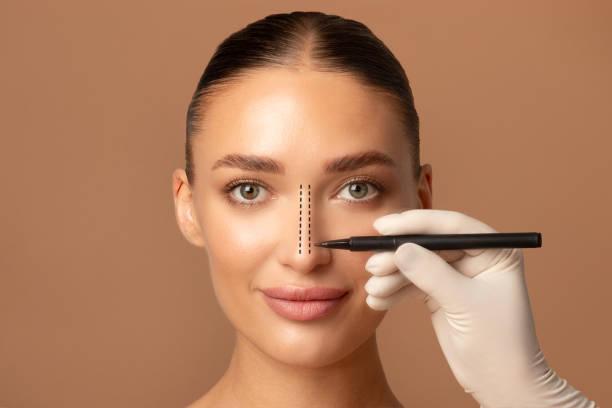
Rhinoplasty is a surgical procedure that changes the shape or structure of the nose. It may be considered for certain appearance-related concerns, structural differences, or breathing difficulties. Rhinoplasty in Riyadh However, having a concern about nasal appearance does not automatically mean surgery is necessary or appropriate. Candidacy depends on physical health, nasal development, medical needs, and realistic expectations.
Rhinoplasty in Riyadh may be discussed with appropriately assessed adults who have specific nasal concerns and understand the procedure's limitations. People researching rhinoplasty in saudi arabia should know that a qualified professional must evaluate each individual rather than determine suitability based on photographs or appearance alone.
What Makes Someone a Potential Rhinoplasty Candidate?
There is no single feature that determines whether someone is suitable for rhinoplasty. A professional assessment considers several physical and personal factors before any surgical decision.
Completed Facial and Nasal Development
For elective cosmetic rhinoplasty, facial and nasal growth should generally be complete before surgery is considered. The timing varies between individuals, and operating while the nose is still developing may lead to unpredictable changes as growth continues. <Cite refs={["turn588567search0","turn588567search1"]}/>
Younger people with breathing problems or other medical concerns need an appropriate specialist evaluation. Cosmetic surgery should not be treated as a routine solution to appearance concerns during adolescence.
Good General Health
Rhinoplasty involves surgery and may require anesthesia, so overall health is an important consideration. A medical professional reviews existing conditions, medications, allergies, previous procedures, and any history of healing difficulties.
Certain health concerns may require additional assessment or postponement. Being generally healthy does not guarantee a complication-free procedure, but it helps the medical team evaluate potential risks.
Clear and Realistic Expectations
A potential adult candidate should understand what rhinoplasty can and cannot achieve. Surgery may modify selected nasal features, but it cannot guarantee perfect symmetry or reproduce another person's nose.
Professional guidance should clarify whether the requested changes are realistic for the individual's anatomy. Clinical recommendations emphasize discussing a patient's motivations and expectations before surgery. <Cite refs={["turn588567search7"]}/>
Nasal Concerns That May Be Evaluated
Different nasal concerns may lead adults to seek a professional assessment. The underlying cause should be identified before deciding whether surgery is appropriate.
Concerns About Nasal Shape
Some adults have questions about the nasal bridge, tip, width, profile, or overall proportions. Rhinoplasty may address selected structural features, depending on cartilage, bone, skin thickness, and facial anatomy.
The surgeon should explain which changes may be possible and whether the expected improvement is proportionate to the risks.
Breathing or Structural Difficulties
A deviated septum or other internal structural differences may contribute to nasal obstruction. These concerns require an evaluation of nasal function, not simply an assessment of external appearance.
Depending on the findings, a specialist may discuss functional nasal surgery, septoplasty, or another appropriate treatment.
Changes Following Nasal Injury
An injury may affect the shape or internal structure of the nose. Adults experiencing persistent changes after an injury can discuss whether an examination or treatment is medically appropriate.
The timing of any procedure depends on the nature of the injury, healing, and clinical findings.
Factors That May Affect Rhinoplasty Suitability
Rhinoplasty in Riyadh requires individualized planning because medical history, nasal anatomy, and personal circumstances can influence surgical decisions.
Medical Conditions and Medication Use
Some medical conditions or medications may affect bleeding, anesthesia, or healing. Patients should provide a complete and accurate medical history so the treating team can assess relevant risks.
Medication changes should only be made under professional medical guidance.
Smoking and Nicotine Use
Smoking and nicotine exposure can affect circulation and wound healing. These factors should be discussed honestly during a consultation so the medical team can explain their implications for surgical safety and recovery.
Emotional Readiness
A person's reasons for considering surgery matter. Decisions should be voluntary and based on personal, carefully considered concerns rather than pressure from family, social media, or comparisons with others.
If appearance concerns cause persistent distress or interfere with daily life, speaking with a qualified mental health professional may be helpful before considering elective surgery.
Who May Need to Wait or Reconsider Surgery?
Rhinoplasty may be postponed when nasal development is incomplete, medical conditions are not adequately controlled, or expectations are unrealistic. A recent injury, unresolved health concern, or uncertainty about the purpose of surgery may also require further evaluation.
Surgery may not be appropriate when someone expects it to resolve broader emotional difficulties or guarantee a particular social or personal outcome. A responsible professional should explain alternatives and be willing to recommend against surgery when the potential benefits do not justify the risks.
What Happens During a Rhinoplasty Candidacy Assessment?
A consultation generally involves reviewing medical history, discussing the person's concerns, and examining the external and internal nasal structures. The specialist may also evaluate breathing, facial proportions, previous injuries, and any earlier nasal procedures.
Patients should have an opportunity to ask about surgical options, possible complications, recovery, and expected limitations. The purpose is to support an informed decision, not to create pressure to proceed.
Conclusion
A potential rhinoplasty candidate is assessed through a combination of nasal development, general health, structural concerns, emotional readiness, and realistic expectations. No online checklist can confirm surgical suitability. A qualified medical professional must evaluate individual circumstances and explain whether surgery, another treatment, or no procedure is the most appropriate choice.
For those seeking expert guidance and customized aesthetic care, you can book an appointment consultation at the 'Enfield Royal Riyadh.
Frequently Asked Questions
Who may be a good candidate for rhinoplasty?
Adults with completed nasal growth, suitable health, specific concerns, and realistic expectations may be assessed.
Does age affect rhinoplasty candidacy?
Yes. Nasal development should generally be complete before elective cosmetic surgery is considered.
Can rhinoplasty help with breathing problems?
It may address selected structural concerns, but the cause of breathing difficulties needs medical evaluation.
Can someone with a medical condition have rhinoplasty?
It depends on the condition, its management, and the individual's surgical and anesthesia risks.
Does everyone who dislikes their nose need rhinoplasty?
No. Appearance concerns do not automatically require surgery, and personal worth is never defined by nose shape.

 English
 Arabic
 French
 Spanish
 Portuguese
 Deutsch
 Turkish
 Dutch
 Russian
 Romaian
 Portuguese (Brazil)
 Greek
