
What Should You Know Before Fat Transfer Surgery?
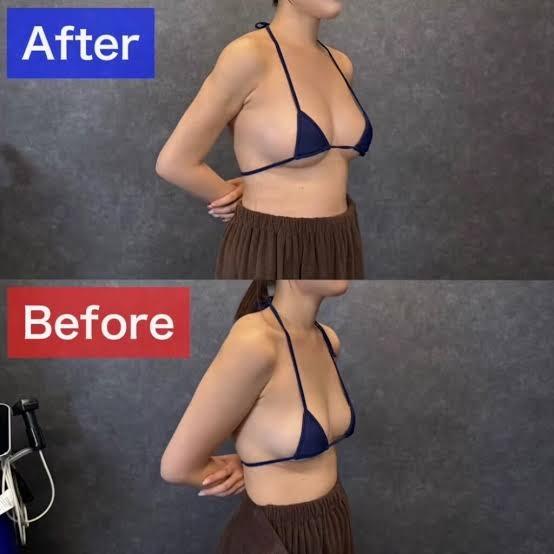
Fat transfer breast surgery is a cosmetic procedure that uses a patient's own body fat to improve breast volume and shape. Before choosing this treatment, it is important to understand how the procedure works, what results may be achievable, and what risks can occur. Anyone researching Fat Transfer Breast Augmentation in Dubai should take time to learn about the process and discuss personal expectations with a qualified plastic surgeon.
Although the procedure uses the patient's own fat rather than breast implants, it is still surgery. It involves liposuction, fat processing, and injections into the breasts. Careful planning and a clear understanding of recovery can help patients make informed decisions.
How Does Fat Transfer Breast Surgery Work?
Fat transfer breast augmentation generally involves three stages. First, the surgeon collects fat from a donor area such as the abdomen, thighs, hips, or flanks through liposuction.
The collected fat is then processed to separate suitable fat cells from unwanted fluids and other materials. After preparation, the surgeon injects the fat into selected areas of the breasts using specialised techniques.
The purpose is to improve breast volume, contour, or symmetry using the patient's own tissue. However, not all transferred fat survives. Some fat is naturally absorbed by the body, so the final result may differ from the initial post-operative appearance.
Breast Augmentation Lab
Breast Augmentation Lab highlights the importance of understanding the procedure before making a cosmetic surgery decision. Patients should learn about the fat collection process, possible complications, expected recovery, and limitations of breast fat grafting. A detailed consultation with a qualified plastic surgeon can help determine whether the procedure is appropriate for an individual's anatomy and goals.
Who May Be Suitable for Fat Transfer Breast Surgery?
Suitability depends on several factors, including general health, breast anatomy, available donor fat, and personal expectations. Patients who want a modest increase in breast volume may consider this procedure as an alternative to implants.
A person also needs enough suitable fat in areas such as the abdomen, thighs, or hips for harvesting. However, having available donor fat does not automatically make someone a suitable candidate.
A surgeon should review medical history, previous breast procedures, lifestyle factors, and individual treatment goals before recommending surgery. Patients with certain medical conditions or unrealistic expectations may need further assessment or alternative options.
What Results Can You Realistically Expect?
Fat transfer usually provides a modest increase in breast volume rather than a dramatic change in size. It may improve fullness and contour while maintaining a natural feel, although results vary between patients.
Some transferred fat is reabsorbed during the healing process. The amount that remains depends on individual factors, surgical technique, and how the body responds.
Patients should not expect a guaranteed cup-size increase or assume that all injected fat will survive. In some cases, more than one treatment session may be discussed if additional volume is desired and the surgeon considers it appropriate.
What Are the Possible Risks and Complications?
Like other surgical procedures, breast fat transfer carries potential risks. These may include infection, bleeding, swelling, bruising, changes in sensation, and irregularities in the areas where fat is collected.
Breast-specific complications can include fat necrosis, oil cysts, calcifications, uneven fat distribution, and contour irregularities. Some changes may be visible or detectable during breast imaging.
Patients should also understand that transferred fat can affect the appearance of mammograms and other breast examinations. They should inform radiologists about previous fat transfer and continue appropriate breast screening.
How Should You Prepare Before Surgery?
Preparation begins with a consultation and medical assessment. The surgeon should review the patient's medical history, current medications, allergies, previous operations, and overall health.
Patients should provide accurate information about smoking, nicotine use, and any supplements or medicines they take. Some medications may need adjustment before surgery, but changes should only be made under medical guidance.
The surgeon may also provide instructions about eating, drinking, arranging transport, and preparing a suitable recovery space. Following these instructions can help patients approach surgery more safely.
What Should You Discuss With Your Surgeon?
A consultation is an opportunity to understand the procedure and decide whether it matches your goals. Patients should ask about the surgeon's qualifications, experience with breast fat grafting, surgical approach, and expected outcomes.
It is also important to discuss how much fat may be transferred, what happens if some fat is absorbed, and whether another session could be necessary. Patients should ask about possible complications, follow-up care, and the effect of fat transfer on future breast imaging.
A responsible surgeon should explain both the potential benefits and limitations rather than promising a particular result.
How Long Does Recovery Usually Take?
Recovery varies depending on the amount of liposuction performed, the areas treated, and individual healing. Swelling, bruising, and tenderness are common during the initial recovery period.
Patients may need to limit strenuous activities and follow specific instructions about compression garments and pressure on the breasts. The surgeon will advise when it is appropriate to return to work, exercise, and normal daily activities.
Breast appearance can continue changing over several months as swelling decreases and the transferred fat settles. Patients should attend follow-up appointments and contact their surgeon if they experience unusual or worsening symptoms.
What Factors Should Influence Your Decision?
The decision to undergo fat transfer should be based on medical suitability, realistic expectations, and a clear understanding of the procedure. Patients should consider whether they want modest enhancement or a more substantial increase in breast size.
They should also consider the recovery period, donor-site changes, potential complications, and financial costs. Comparing fat transfer with implants or other available options can help clarify which approach may be more suitable.
Taking time to review these factors is preferable to making a decision based only on promotional photographs or advertised results.
Final Thoughts
Before undergoing breast fat transfer, patients should understand the surgical process, possible risks, recovery requirements, and limitations of the results. A careful consultation with a qualified plastic surgeon helps establish whether the procedure is suitable and what outcomes may realistically be expected.
Anyone considering Fat Transfer Breast Augmentation Dubai should prioritise medical assessment, transparent discussions, and long-term breast health when deciding whether to proceed with treatment.

 English
 French
 Spanish
 Portuguese
 Deutsch
 Turkish
 Dutch
 Italiano
 Russian
 Romaian
 Portuguese (Brazil)
 Greek
