
Non-Visible Spectrum Image Sensor Market to Reach USD 5.71 Billion by 2034 as Advanced Imaging Applications Expand
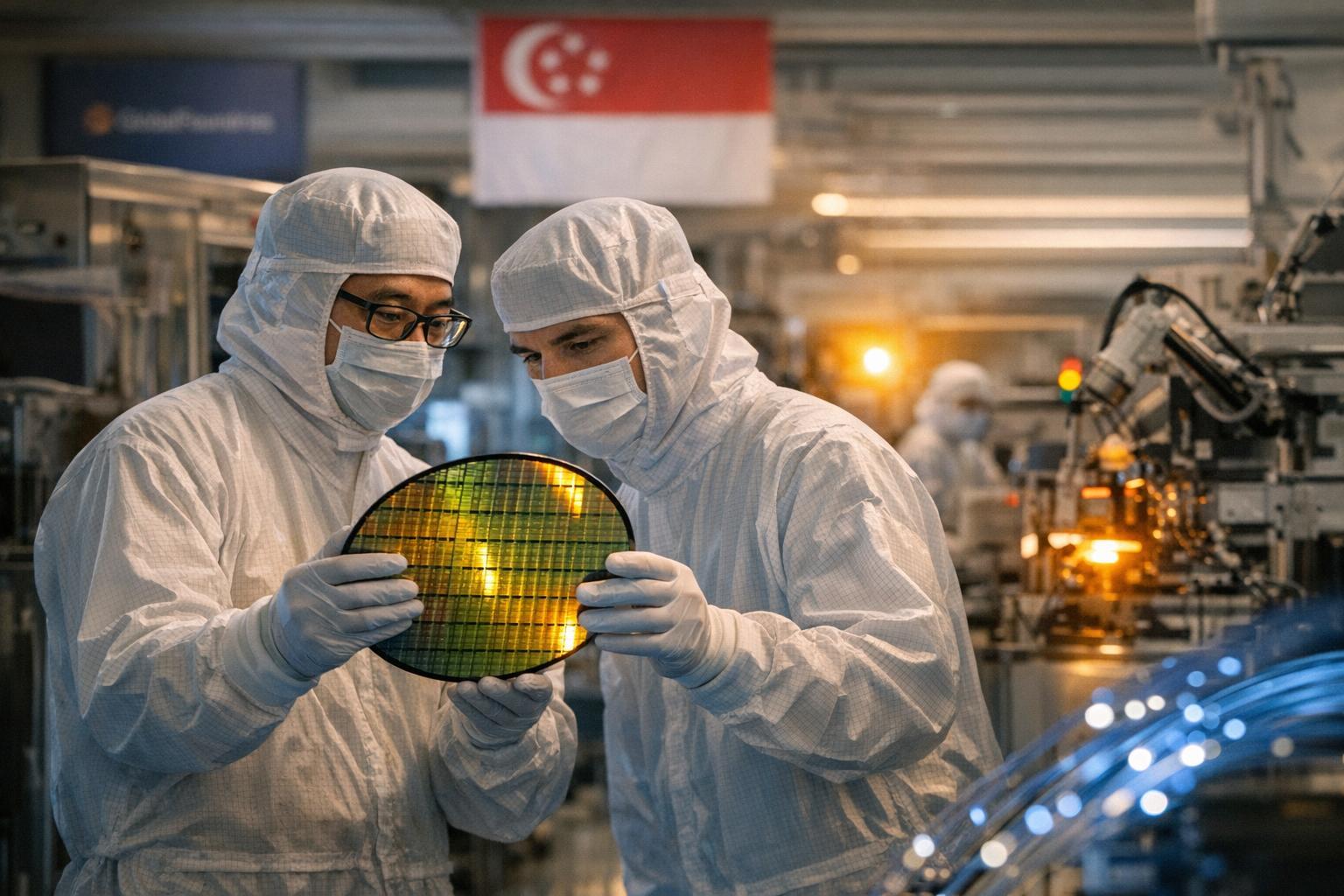
The imaging industry is increasingly adopting technologies capable of detecting wavelengths beyond the visible spectrum. As applications in defense, automotive systems, industrial inspection and medical imaging become more sophisticated, non-visible spectrum image sensors are gaining importance in systems that require imaging capabilities beyond conventional cameras.
According to Semiconductor Insight, the global Non-Visible Spectrum Image Sensor Market is estimated at USD 2,070.8 million in 2025 and is projected to reach USD 5,713.6 million by 2034, growing at a CAGR of 11.9% over the 2026–2034 forecast period. These advanced imaging devices detect electromagnetic wavelengths beyond the visible light range of approximately 380–750 nm, including infrared and ultraviolet bands. Their ability to capture information outside ordinary human vision makes them relevant to specialized imaging environments and high-performance sensing applications.
Explore the complete Non-Visible Spectrum Image Sensor Market analysis:
https://semiconductorinsight.com/report/non-visible-spectrum-image-sensor-market/
Why Are Non-Visible Spectrum Image Sensors Becoming Important?
Conventional image sensors primarily capture light within the visible spectrum. However, many industrial, scientific and security applications require the detection of wavelengths outside this range. Non-visible spectrum image sensors address this requirement by enabling imaging across different parts of the electromagnetic spectrum.
These sensors operate in infrared, ultraviolet and other spectral bands, supporting applications in low-light or no-light conditions. Their capabilities are relevant to thermal imaging, night vision, surveillance, scientific research and specialized inspection systems.
The technology is also gaining importance as imaging systems become increasingly integrated into electronic devices and automated equipment. The need to capture information under different lighting and environmental conditions continues to support the adoption of sensors designed for non-visible wavelengths.
Defense and Security Applications Support Market Demand
Aerospace, defense and homeland security represent important application areas for non-visible spectrum imaging. Surveillance, night vision and other specialized imaging requirements create demand for sensors that can operate beyond ordinary visible-light conditions.
Infrared and thermal imaging capabilities are particularly relevant in environments where visibility may be limited. These technologies can support monitoring, situational awareness and security operations across different operating conditions.
The report identifies aerospace, defense and homeland security among the application segments covered by the market. Continued requirements for advanced imaging systems across these sectors contribute to the broader demand for non-visible spectrum sensors.
Automotive and Industrial Imaging Create Additional Opportunities
Automotive applications are another area covered by the market. As vehicles incorporate increasingly sophisticated electronic and sensing systems, imaging technologies capable of supporting different operating conditions become relevant to automotive monitoring and safety applications.
Industrial applications also contribute to demand. Manufacturing and inspection environments often require imaging systems that can detect information beyond what is visible to the human eye. Non-visible spectrum sensors can support specialized inspection and monitoring requirements across industrial processes.
The adoption of advanced imaging technologies across automotive and industrial applications broadens the market beyond conventional camera systems and creates opportunities for manufacturers offering specialized sensor solutions.
Receive your Free Sample Report today:
https://semiconductorinsight.com/download-sample-report/?product_id=128892
Medical and Scientific Applications Expand the Technology Landscape
Medical and lifesciences applications represent another important segment of the Non-Visible Spectrum Image Sensor Market. Specialized imaging systems can use non-visible wavelengths to support research, diagnostic and analytical activities.
The technology is also relevant to scientific and research environments where the ability to capture information outside the visible spectrum is important. These applications create demand for sensors with suitable wavelength sensitivity, resolution and imaging performance.
As imaging requirements become more specialized, manufacturers are required to develop sensor technologies that can address different application needs, including sensitivity, resolution and operating conditions.
Sensor Development and High-Resolution Imaging Influence Market Trends
The development of high-resolution sensors is an important technology trend within the market. Imaging applications across security, medical and industrial environments require sensors capable of capturing increasingly detailed information.
Integration with smart devices and the growing use of imaging for environmental monitoring are also identified as emerging trends. These developments broaden the potential applications of non-visible spectrum sensors and create opportunities for manufacturers to develop products for specialized imaging requirements.
The market therefore encompasses both high-end specialized applications and commercial imaging environments, with innovation occurring across different sensor types and wavelength bands.
Access the Full Report for In-Depth Insights:
https://semiconductorinsight.com/report/non-visible-spectrum-image-sensor-market/
Sensor Performance and Application Requirements Remain Key Considerations
The adoption of non-visible spectrum image sensors depends on their ability to meet the performance requirements of different applications. Factors such as wavelength sensitivity, image resolution, reliability and integration with imaging systems influence product selection.
Different end-use industries also have distinct technical requirements. Defense and security applications may prioritize imaging performance under limited-light conditions, while medical and industrial environments may require specialized image quality and measurement capabilities.
Manufacturers must therefore develop sensor technologies that address application-specific requirements while maintaining suitable performance and reliability.
Where Are the Biggest Opportunities Emerging?
Several application areas provide opportunities for non-visible spectrum image sensor manufacturers.
Defense and homeland security remain important areas because of the requirement for surveillance, night vision and thermal imaging systems. Automotive and industrial applications also create opportunities as sensing and imaging capabilities become increasingly integrated into electronic systems.
Medical and lifesciences applications provide another area of demand, particularly where specialized imaging technologies are required for research and analysis. Environmental monitoring and smart-device integration further broaden the range of potential use cases.
Non-Visible Spectrum Image Sensor Market Segmentation
The report evaluates the market by sensor type and application, providing a detailed view of the technologies and end-use industries covered in the study.
By type, the market is divided into:
-
Linear Image Sensor
-
Area Image Sensor
Area Image Sensors dominate the type segment because of their spatial resolution and broader application across security and medical imaging environments.
By application, the market covers:
-
Aerospace, Defense, and Homeland Security
-
Automotive
-
Consumer Electronics
-
Medical and Lifesciences
-
Industrial
-
Commercial
This segmentation reflects the use of non-visible spectrum imaging across specialized and commercial environments. The requirements of defense imaging can differ substantially from those of automotive, medical, industrial and consumer-electronics applications.
View the complete Non-Visible Spectrum Image Sensor Market segmentation and forecast:
https://semiconductorinsight.com/report/non-visible-spectrum-image-sensor-market/
Regional Non-Visible Spectrum Image Sensor Market Outlook
North America represents an important market for non-visible spectrum image sensors, supported by defense, aerospace, industrial automation and research activities. The region's investment in advanced imaging technologies, night vision and thermal imaging contributes to demand for specialized sensors.
Europe is supported by its industrial, automotive and scientific technology sectors. The region's advanced manufacturing base and adoption of specialized imaging systems provide opportunities for sensor suppliers.
Asia-Pacific represents a major manufacturing and technology market, with demand influenced by consumer electronics, automotive production, industrial development and investment in advanced sensing technologies. Latin America and the Middle East and Africa also represent developing markets as imaging applications expand across industrial and security environments.
Competitive Landscape and Key Companies
The Non-Visible Spectrum Image Sensor Market includes semiconductor manufacturers, imaging technology companies and suppliers of specialized sensor solutions.
Semiconductor Insight identifies the following companies among the participants covered in the competitive landscape:
-
Sony Corporation
-
Samsung Electronics
-
Intel Corporation
-
Texas Instruments
-
NXP Semiconductors
-
Olympus Corporation
-
ON Semiconductor
-
Canon Inc.
-
Huawei Technologies
-
STMicroelectronics
-
OmniVision Technologies
-
Panasonic Holdings Corporation
-
SK Hynix
-
Pixart Imaging
-
PixelPlus
-
Hamamatsu Photonics K.K.
-
ams OSRAM
-
Himax Technologies, Inc.
-
Teledyne Technologies Incorporated
-
Sharp Corporation
Competition within the market is influenced by sensor performance, imaging capabilities, wavelength sensitivity, product development and the ability to address specialized application requirements. The report also examines company positioning, product offerings, research and development focus, manufacturing capabilities and competitive developments.
What Does the Non-Visible Spectrum Image Sensor Market Report Cover?
The Semiconductor Insight study provides analysis of market size, sales, revenue, competitive positioning, industry dynamics, segmentation and regional performance.
The report examines the industry chain, market drivers, restraints, technology trends, product developments and competitive conditions. It provides detailed segmentation by sensor type and application, covering Linear Image Sensors and Area Image Sensors alongside major end-use industries.
The study also evaluates market performance across North America, Europe, Asia-Pacific, Latin America, and the Middle East and Africa, including country-level analysis where relevant. Competitive coverage includes company profiles, product offerings, research and development focus, manufacturing capacity, pricing strategies and recent developments.
Key Questions Answered by the Study
The report helps industry participants evaluate questions including:
-
What is the current Non-Visible Spectrum Image Sensor Market size?
-
How large will the market become by 2034?
-
What is the expected CAGR during the 2026–2034 forecast period?
-
What are the major types of non-visible spectrum image sensors?
-
How do Linear Image Sensors and Area Image Sensors differ?
-
Which applications offer important growth opportunities?
-
How are defense and homeland security applications influencing demand?
-
What role do automotive and industrial applications play in market development?
-
How are medical and lifesciences applications contributing to adoption?
-
Which regions represent important markets?
-
Who are the leading Non-Visible Spectrum Image Sensor manufacturers?
-
What technological and competitive developments are shaping the industry?
Explore the full Non-Visible Spectrum Image Sensor Market forecast and competitive analysis:
https://semiconductorinsight.com/report/non-visible-spectrum-image-sensor-market/
Get a Sample Report copy for free:
https://semiconductorinsight.com/download-sample-report/?product_id=128892
About Semiconductor Insight
Semiconductor Insight provides market intelligence and industry research covering semiconductor technologies, electronic components, advanced manufacturing systems and related technology markets. Its research focuses on market sizing, forecasting, competitive landscapes, technology trends, segmentation and regional analysis to support strategic decision-making across the semiconductor ecosystem.
Contact Semiconductor Insight
Website: www.semiconductorinsight.com

 English
 Arabic
 French
 Portuguese
 Deutsch
 Turkish
 Dutch
 Italiano
 Russian
 Romaian
 Portuguese (Brazil)
 Greek
