
Preparing for Fillers in Dubai: Medicines and Supplements
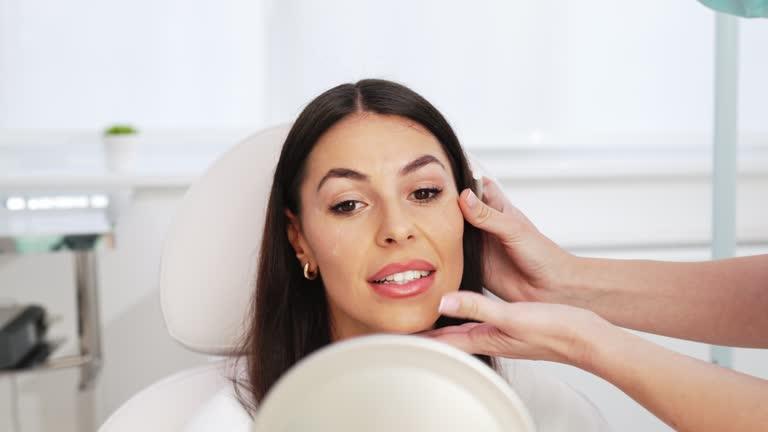
Preparing for an injectable appointment involves more than choosing a treatment area and scheduling a convenient time. A review of current medicines, supplements, allergies, and medical history helps the clinician assess potential risks before treatment. People considering Fillers in Dubai should understand that some substances can affect bruising or bleeding, while others may influence medical suitability in different ways. However, stopping a prescribed medicine without professional advice can be dangerous. Preparation should always be guided by the treating clinician and, when necessary, the prescribing healthcare professional.
Why Medication Review Matters Before Filler Treatment
Dermal filler injections involve small punctures in the skin and manipulation of tissue. Temporary bruising, swelling, and tenderness are common possibilities.
Certain medicines and supplements can influence blood clotting or platelet activity, potentially increasing the likelihood of bruising or bleeding. Other medications may be relevant because of allergies, immune function, infection risk, or an underlying health condition.
A complete medication review helps the clinician understand these factors and decide whether treatment should proceed, be adjusted, or postponed.
Medicines That Should Be Discussed Before the Appointment
Patients should provide a complete list of prescription and non-prescription medicines. The following categories are particularly important to disclose.
Anticoagulants and Antiplatelet Medicines
Medicines used to prevent blood clots can increase bleeding or bruising risk during injectable procedures. Examples include warfarin, apixaban, rivaroxaban, and prescribed antiplatelet medicines such as clopidogrel.
These treatments may be essential for preventing serious conditions such as stroke or blood clots. Patients must not stop or change their dose independently to prepare for cosmetic treatment.
The clinician should assess the reason for the medication and consult the prescribing doctor when appropriate. In some situations, postponing an elective aesthetic procedure may be safer than changing necessary medication.
Non-Steroidal Anti-Inflammatory Drugs
Some non-steroidal anti-inflammatory drugs (NSAIDs), including ibuprofen and naproxen, can affect platelet function and may increase bruising in certain circumstances.
Patients should disclose recent use, including occasional doses for pain or inflammation. Whether any change is appropriate depends on the individual's medical history and the reason for taking the medicine.
Prescription Steroids and Other Long-Term Treatments
Long-term corticosteroid use and certain other medicines may affect skin condition, healing, or immune response. Their relevance depends on the dose, duration, underlying condition, and treatment area.
Patients should never discontinue prescribed steroids abruptly without medical direction.
Supplements and Herbal Products to Disclose
People sometimes overlook supplements because they are available without a prescription. However, some products may influence bleeding, interact with medicines, or affect health conditions.
Examples worth discussing include:
-
Fish oil and omega-3 supplements: Their effects on bleeding are variable and may depend on dose and other medications.
-
Vitamin E: High supplemental doses may influence bleeding in some circumstances.
-
Ginkgo biloba: May interact with medicines affecting blood clotting.
-
Garlic supplements: Concentrated preparations may affect platelet activity.
-
Ginseng: May interact with certain medicines and health conditions.
-
Turmeric or curcumin supplements: May have potential interactions, particularly when combined with anticoagulant or antiplatelet medicines.
This list is not a universal instruction to stop these products. Evidence and individual risk vary. The clinician should review the exact supplement, dose, and reason for use before recommending any change.
What About Alcohol and Smoking?
Alcohol may contribute to bruising in some circumstances, particularly when combined with medicines that affect clotting. Patients should ask their clinician whether avoiding alcohol before and after treatment is appropriate.
Smoking and nicotine exposure can affect circulation and tissue health. Patients should disclose smoking or nicotine use during consultation, as it may influence the overall treatment assessment and recovery advice.
Avoiding these factors should be discussed as part of a broader health and safety plan rather than treated as a guaranteed way to prevent complications.
Preparing for Fillers in Dubai: A Practical Checklist
Good preparation begins with accurate information. Before the appointment, patients can organize the following details:
-
A current list of prescription medicines.
-
Names and doses of supplements and herbal products.
-
Known allergies and previous reactions.
-
Relevant medical conditions.
-
Previous filler treatments and their approximate dates.
-
Any history of cold sores, skin infections, or unusual healing.
-
Recent dental work or planned dental procedures.
-
Previous complications following injectable treatments.
It is also helpful to bring the packaging or a clear photograph of unfamiliar supplements. This reduces the chance of overlooking an ingredient or confusing similarly named products.
What Should You Avoid Changing on Your Own?
One of the most important preparation principles is to avoid making medication changes without professional advice.
Do not independently stop:
-
Blood thinners prescribed for clot prevention.
-
Medication for heart or blood vessel conditions.
-
Prescribed anti-inflammatory treatment.
-
Steroids or immune-modulating medicines.
-
Medication for diabetes or other chronic conditions.
A cosmetic appointment is elective, while some prescribed medicines are essential to prevent serious health complications. If a medication increases procedural risk, the safer decision may be to delay the appointment.
When Should an Appointment Be Postponed?
Treatment may need to be delayed if a patient has an active skin infection, fever, significant illness, or another condition that could increase risk.
A history of severe allergic reactions, previous filler complications, or an unexplained change in health should also be reviewed before proceeding.
Patients should tell the clinic if they develop a cold sore or infection near the intended treatment area. The clinician can advise whether rescheduling is necessary.
Questions to Ask During Your Consultation
A useful consultation should address both the intended aesthetic result and the patient's safety.
Consider asking:
-
Is the proposed filler appropriate for my treatment area?
-
Could any of my medicines or supplements affect the procedure?
-
Should my prescribing doctor be involved in the decision?
-
What side effects should I expect?
-
Which symptoms require urgent medical attention?
-
What aftercare instructions should I follow?
-
When should I arrange a review?
Clear answers help patients understand the procedure and make an informed decision.
Clinic Note
Never stop a prescribed medication simply because you are planning an aesthetic injection. A safe preparation plan considers why the medicine is being taken, its potential interactions, and whether postponing an elective procedure is more appropriate.
Frequently Asked Questions
Should I stop blood thinners before dermal fillers?
No medication should be stopped without advice from the prescribing healthcare professional. The clinician performing the treatment should review the medicine and assess whether the procedure is appropriate.
Can supplements increase bruising after fillers?
Some supplements may influence bleeding or interact with medicines. Disclose all products, including herbal preparations, vitamins, and fish oil, so the clinician can provide individualized guidance.
How far in advance should I discuss my medications?
Ideally, disclose your medication and supplement list when arranging the consultation, not only immediately before the injection. This allows time for appropriate medical review.
Can I take painkillers before my appointment?
It depends on the medicine and your medical history. Ask the treating clinician before taking an over-the-counter or prescription pain reliever specifically for the procedure.
Should I attend if I have a skin infection?
You should inform the clinic before attending. An active infection near the intended treatment area may require postponing the procedure until it has resolved.
Planning a Safe Appointment at Tajmeels Clinic
A well-prepared consultation gives the clinician a clearer understanding of your health history, medication use, and aesthetic goals. Patients considering Fillers in Dubai can discuss their current medicines, supplements, previous treatments, and concerns with Tajmeels Clinic before proceeding. An individualized review helps establish whether treatment is suitable and supports a safer, more informed experience.

 English
 Arabic
 French
 Spanish
 Portuguese
 Deutsch
 Turkish
 Dutch
 Italiano
 Russian
 Portuguese (Brazil)
 Greek
