
Understanding the Connection Between Body Proportions and Liposuction
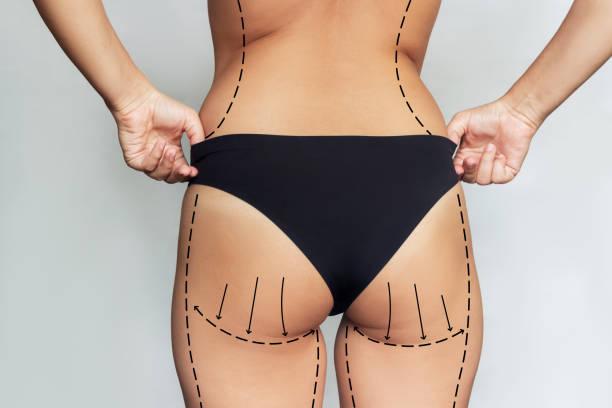
Body proportions play an important role in how a person's overall appearance is perceived. The relationship between different areas of the body, including the waist, abdomen, hips, thighs, and arms, contributes to an individual's natural silhouette. However, stubborn fat deposits can sometimes affect these proportions, even when someone maintains a healthy lifestyle. This is one reason why body contouring procedures have become increasingly popular among individuals seeking a more balanced appearance.
Liposuction in Riyadh (عملية شفط الدهون في الرياض) is a surgical body contouring procedure designed to remove localized fat deposits and improve the shape of selected areas. Rather than focusing exclusively on reducing body fat, the procedure aims to create better transitions between different body regions. Understanding how fat distribution, body anatomy, and individual proportions influence treatment planning can help people develop realistic expectations and make informed decisions.
Understanding the Importance of Body Proportions
Body proportions refer to the relationship between different parts of the body. The balance between the upper body, waist, hips, and lower body contributes to an individual's overall shape. Although everyone has a naturally different body structure, some people may notice that certain fat deposits make their silhouette appear less defined.
Factors such as genetics, age, hormonal changes, and lifestyle can influence how the body stores fat. Some individuals accumulate fat around the abdomen, while others experience more noticeable deposits around the hips, thighs, upper arms, or back.
These variations are normal and do not necessarily indicate poor health. However, when localized fat deposits remain resistant to exercise and balanced nutrition, individuals may explore surgical body contouring options.
How Liposuction Influences Body Proportions
Liposuction focuses on removing excess fat from specific areas rather than producing general weight loss. By addressing selected fat deposits, surgeons can improve the visual relationship between different body regions.
For example, reducing localized abdominal fat may help create a more defined waistline. Similarly, treating the flanks can improve the transition between the waist and hips, while carefully selected thigh contouring may contribute to a more balanced lower-body appearance.
The objective of Liposuction in Riyadh is not to create an identical body shape for every individual. Instead, treatment planning considers the patient's existing anatomy, fat distribution, skin condition, and desired appearance.
A carefully planned procedure may help refine natural contours while maintaining the body's individual characteristics.
The Relationship Between Fat Distribution and Body Shape
Fat distribution varies significantly from one person to another. Genetics plays an important role in determining where the body stores excess fat, which explains why individuals with similar body weights can have very different silhouettes.
Some common areas where localized fat deposits develop include:
Abdominal Fat
The abdomen is one of the most frequently treated areas in body contouring. Excess subcutaneous fat around the stomach can make the waistline appear less defined. Liposuction may help reduce suitable localized deposits and improve abdominal contours.
It is important to understand that liposuction does not remove visceral fat, which is stored deeper inside the abdominal cavity around internal organs.
Waist and Flanks
Fat deposits around the waist and flanks can affect the transition between the upper and lower body. Treating these areas may help create a smoother waistline and improve the appearance of the body's natural curves.
Thighs and Hips
The thighs and hips contribute significantly to lower-body proportions. Localized fat in these regions can sometimes create uneven contours. Carefully planned fat removal may help improve the relationship between the thighs, hips, and waist.
Upper Arms
Excess fat around the upper arms can influence the overall appearance of the upper body. Liposuction may be considered for suitable individuals who want to refine this area while maintaining natural-looking proportions.
Back and Bra-Line Area
Fat deposits around the upper and lower back may create visible fullness beneath clothing. Addressing these areas can help create smoother transitions between the back, waist, and surrounding body regions.
How Surgeons Assess Body Proportions Before Treatment
A detailed physical assessment is an important part of surgical planning. Before recommending liposuction, a qualified surgeon evaluates the patient's anatomy and determines whether the procedure is appropriate for their goals.
During the consultation, the surgeon may examine fat distribution, skin elasticity, existing asymmetries, and the relationship between different body areas. These factors help establish which regions may benefit from treatment.
Skin elasticity is particularly important because the skin needs to adapt to changes in the underlying fat volume. Individuals with good skin elasticity may experience better natural adaptation following fat removal. However, reduced elasticity can contribute to loose or uneven-looking skin.
The surgeon also discusses medical history, previous procedures, lifestyle factors, and expectations. This assessment helps determine whether liposuction alone is suitable or whether another treatment approach should be considered.
Modern Liposuction Techniques and Body Contouring
Advancements in surgical methods have expanded the approaches available for removing localized fat. Different techniques may be considered depending on the treatment area, individual anatomy, and the surgeon's assessment.
Traditional Liposuction
Traditional liposuction involves making small incisions and using a thin cannula to remove unwanted fat deposits. The surgeon carefully moves the instrument through the targeted area to achieve the planned contour.
Tumescent Liposuction
Tumescent liposuction involves introducing a specialized fluid into the treatment area before fat removal. This fluid helps prepare the tissues and may reduce bleeding and discomfort during the procedure.
Power-Assisted Liposuction
Power-assisted liposuction uses a specialized cannula that moves rapidly to assist with fat removal. This technique may be considered for certain treatment areas depending on the patient's requirements.
Ultrasound-Assisted Liposuction
Ultrasound-assisted liposuction uses ultrasonic energy to help break down fat before it is removed. It may be useful in selected cases, although suitability depends on the treatment area and individual circumstances.
The availability and appropriateness of each technique vary. A surgeon should explain the potential benefits, limitations, and risks before recommending a particular approach.
Why Personalized Treatment Planning Matters
Every individual has a different body structure, and an approach that works well for one person may not be appropriate for another. This makes personalized planning essential for achieving balanced body contours.
For example, someone with localized abdominal fat may require a different treatment strategy from someone concerned about the thighs or upper arms. Treating multiple areas also requires careful consideration of how fat removal in one region affects the appearance of surrounding areas.
With Liposuction in Riyadh, treatment planning should prioritize natural body proportions instead of focusing on removing the greatest possible amount of fat.
Surgeons must also consider safe fat-removal limits, tissue characteristics, and the patient's overall health. Removing excessive fat can create irregularities and compromise natural contours. A conservative and individualized approach is often more appropriate.
Who May Be Suitable for Liposuction?
Liposuction may be suitable for adults who have localized fat deposits that remain despite maintaining a relatively stable weight and healthy lifestyle.
Good candidates generally have realistic expectations, are in suitable overall health, and have enough skin elasticity to support the desired contour changes.
However, liposuction is not designed as a treatment for obesity or a substitute for weight management. It also does not address every concern related to body shape, such as significant loose skin or weakened abdominal muscles.
People with certain medical conditions, circulation problems, or other health concerns may require additional assessment before considering surgery.
A professional consultation is necessary to determine whether the procedure is appropriate for an individual's circumstances.
Recovery and Changes in Body Contours After Liposuction
Recovery is an important part of the body contouring process. Following surgery, patients commonly experience temporary swelling, bruising, and discomfort in the treated areas.
Surgeons may recommend compression garments to support healing and help manage swelling. Patients should follow instructions regarding movement, wound care, medication, and returning to normal activities.
Initial changes in body shape may become visible relatively early, but swelling can take several weeks or longer to settle. Final contour changes may take several months to become apparent.
Results also depend on individual healing, skin elasticity, surgical technique, and lifestyle habits. Maintaining a stable weight through balanced nutrition and regular physical activity can help preserve the results over time.
Patients should attend follow-up appointments so their surgeon can monitor healing and address any concerns.
Understanding the Risks and Limitations
Although liposuction is a commonly performed cosmetic procedure, it is still surgery and involves potential risks. These may include infection, bleeding, fluid accumulation, changes in skin sensation, contour irregularities, and complications related to anesthesia.
In some cases, patients may experience uneven results or skin looseness, particularly when skin elasticity is limited. More serious complications, although less common, can also occur.
Understanding these limitations is essential before making a decision. A qualified and experienced surgeon should explain the expected outcomes, possible complications, and available alternatives.
Realistic expectations help patients understand that liposuction can refine selected body areas but cannot guarantee perfect symmetry or completely change natural body structure.
Choosing the Right Approach to Body Contouring in Riyadh
Individuals considering body contouring should look beyond the treatment technique and focus on the overall quality of surgical assessment and planning.
Choosing a qualified plastic surgeon with relevant training and experience is essential. Patients should also consider whether the surgical facility meets appropriate safety standards and whether clear postoperative care is available.
During consultations, it is helpful to discuss personal goals, expected improvements, recovery requirements, and possible limitations. Reviewing suitable before-and-after photographs may also help individuals understand the range of outcomes that can realistically be achieved.
For those researching Liposuction in Saudi Arabia, understanding the relationship between body proportions and fat distribution provides a useful foundation for comparing treatment approaches and making informed decisions.
Conclusion
Body proportions are influenced by natural anatomy, genetics, skin elasticity, and the distribution of fat throughout the body. When localized fat deposits affect the appearance of certain areas, liposuction may offer an option for refining selected contours and improving the overall balance of the silhouette. However, successful body contouring depends on appropriate patient selection, careful surgical planning, realistic expectations, and proper recovery.
Exploring Liposuction in Riyadh involves understanding more than the fat-removal process. It requires considering how each treatment area relates to surrounding body structures and how individual characteristics influence potential outcomes. People researching Liposuction in Saudi Arabia can also explore educational resources and consultation services at Enfield Royal Clinic Saudi to learn more about available body contouring approaches, professional assessment, and the importance of individualized treatment planning.
Frequently Asked Questions
1. How Does Liposuction Improve Body Proportions?
Liposuction removes localized fat deposits from selected body areas. This may help refine the waistline, abdomen, thighs, arms, and other regions, creating smoother transitions between different parts of the body.
2. Which Body Areas Can Be Treated With Liposuction in Riyadh?
Common treatment areas include the abdomen, waist, flanks, hips, thighs, upper arms, and back. The appropriate areas depend on individual anatomy, fat distribution, and the surgeon's assessment.
3. Is Liposuction in Saudi Arabia Suitable for Weight Loss?
No. Liposuction is primarily a body contouring procedure rather than a weight-loss treatment. It is intended for removing localized fat deposits in suitable individuals who are generally close to their desired body weight.
4. How Long Does It Take to See Liposuction Results?
Some changes may become noticeable during the early recovery period, but swelling can temporarily affect the appearance of treated areas. More defined results generally develop over several months as the body heals.
5. Can Liposuction Create a Naturally Balanced Body Shape?
Liposuction may help improve body proportions by reducing selected fat deposits. However, outcomes depend on anatomy, skin elasticity, surgical planning, and individual healing. Perfect symmetry cannot be guaranteed.
6. How Can Someone Prepare for Liposuction in Riyadh?
Preparation generally involves a consultation, medical evaluation, discussion of treatment goals, and review of potential risks. Patients should follow their surgeon's instructions regarding medications, smoking, nutrition, and preparation before surgery.

 English
 French
 Spanish
 Portuguese
 Deutsch
 Turkish
 Dutch
 Italiano
 Russian
 Romaian
 Portuguese (Brazil)
 Greek
