
Can Rhinoplasty Correct a Crooked Nose?
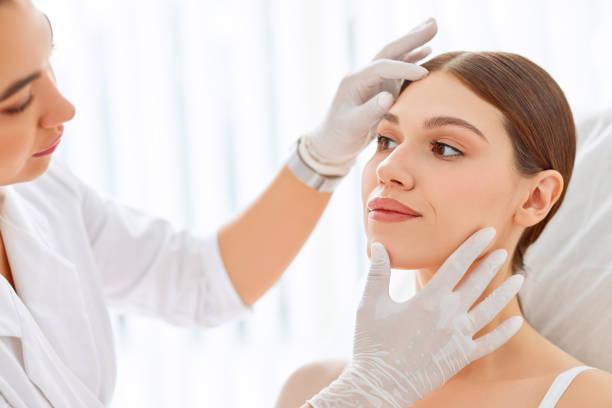
A crooked nose can affect facial symmetry, nasal appearance, and sometimes the ability to breathe comfortably. It may develop naturally, result from an injury, or be associated with structural differences inside the nose. Many people consider Rhinoplasty in Riyadh (عملية تجميل الانف في الرياض) to improve nasal alignment and create better facial balance. Depending on the underlying cause, rhinoplasty can help correct a crooked nose by adjusting the nasal bones, cartilage, and supporting structures.
However, correcting a crooked nose involves more than simply changing its visible shape. The surgeon must assess the entire nasal framework, including the septum and internal airways, to understand why the nose appears uneven. Some patients need cosmetic correction, while others require functional treatment to improve breathing. Understanding how Rhinoplasty in Riyadh addresses nasal deviation can help patients develop realistic expectations before considering surgery.
What Causes a Crooked Nose?
A crooked nose occurs when the nasal structure does not follow a straight or balanced alignment. The deviation may affect the nasal bridge, tip, septum, or several structures at the same time.
Common causes include:
1. Genetic or Natural Development
Some people naturally have a nasal structure that appears slightly uneven. Differences in bone growth, cartilage development, or facial anatomy can contribute to a crooked appearance.
2. Previous Nasal Injury
An accident, sports injury, or direct impact can displace the nasal bones or damage cartilage. Even an injury that occurred years ago may leave the nose visibly crooked.
3. Deviated Nasal Septum
The septum is the internal wall that separates the two nasal passages. When it bends or shifts away from the centre, it may contribute to an uneven external appearance and restrict airflow.
4. Uneven Cartilage Structure
Differences in cartilage shape or strength can cause the nasal tip or bridge to appear asymmetrical. In some cases, the supporting cartilage may also be weakened.
5. Previous Nasal Surgery
Some patients develop nasal irregularities after an earlier rhinoplasty. These may involve structural changes, scar tissue, or uneven healing.
Can Rhinoplasty Make a Crooked Nose Straight?
Yes, rhinoplasty can often improve the alignment of a crooked nose. The procedure involves carefully adjusting the structures responsible for the deviation.
Depending on the patient's anatomy, the surgeon may:
-
Reposition or reshape nasal bones.
-
Adjust uneven cartilage.
-
Correct a deviated nasal septum when necessary.
-
Improve nasal tip alignment.
-
Strengthen weakened supporting structures.
-
Refine the overall nasal profile.
The objective is to create a more balanced appearance while maintaining the structural support needed for normal breathing. Complete symmetry cannot be guaranteed because natural facial asymmetry, skin characteristics, and healing differences can influence the final result.
How Does Rhinoplasty Correct a Crooked Nose?
The surgical approach depends on which parts of the nose are causing the deviation. A detailed examination helps the surgeon determine whether the problem involves bone, cartilage, the septum, or a combination of these structures.
Straightening the Nasal Bones
When the upper part of the nose is crooked because of bone displacement, the surgeon may carefully reposition the nasal bones. This can help create a straighter bridge and improve alignment with the centre of the face.
Reshaping Nasal Cartilage
Cartilage plays an important role in the shape and support of the nose. If the cartilage is uneven, the surgeon may reshape or reposition it to improve symmetry.
Correcting the Nasal Septum
When a deviated septum contributes to nasal crookedness or breathing difficulties, septoplasty may be performed as part of the treatment plan. This involves repositioning or reshaping the internal septal structures.
Improving Nasal Tip Alignment
A crooked nasal tip may require adjustments to the lower cartilage. The surgeon works to improve its position and shape while maintaining sufficient support.
What Is the Difference Between Cosmetic and Functional Correction?
A crooked nose can involve both appearance and breathing concerns. Therefore, the treatment approach depends on the patient's symptoms and surgical goals.
Cosmetic Rhinoplasty
Cosmetic rhinoplasty focuses on improving the external appearance of the nose. It may be suitable for patients whose primary concern is an uneven bridge, crooked tip, or asymmetrical nasal shape.
Functional Rhinoplasty
Functional rhinoplasty addresses structural problems that interfere with normal breathing. If nasal deviation is associated with septal problems or nasal valve narrowing, functional correction may be required.
Septorhinoplasty
Septorhinoplasty combines rhinoplasty with septoplasty. It may be recommended when a patient needs both external nasal straightening and correction of a deviated septum.
A medical assessment helps determine whether one procedure or a combined approach is appropriate.
Is Open or Closed Rhinoplasty Better for a Crooked Nose?
Both open and closed rhinoplasty can be used to correct certain types of nasal deviation. The choice depends on the complexity of the correction and the surgeon's assessment.
Open rhinoplasty involves an additional small incision across the columella, allowing greater direct visibility of the nasal framework. It may be useful when significant cartilage adjustments, complex reshaping, or reconstruction are required.
Closed rhinoplasty uses incisions inside the nostrils. It may be suitable for selected cases where the necessary changes can be performed through internal access.
Neither approach is automatically better. The surgeon selects the technique that provides appropriate access to the structures requiring correction.
How Long Does It Take to Recover After Crooked Nose Rhinoplasty?
Recovery varies according to the surgical technique and the extent of nasal correction. Patients may experience swelling, bruising, congestion, and tenderness during the early healing period.
The general recovery process may include:
-
First few days: Swelling, mild discomfort, and nasal congestion are common.
-
First week: Bruising and swelling may remain noticeable. A nasal splint may be used to support the nose.
-
Second week: Many patients notice improvement in bruising and swelling and may gradually return to light activities.
-
Following months: Residual swelling continues to settle as the nasal tissues heal.
-
Around one year or longer: More complete refinement of the nasal shape may become visible.
Patients should follow their surgeon's instructions, avoid pressure on the nose, and attend follow-up appointments.
Can a Crooked Nose Become Crooked Again After Rhinoplasty?
Although rhinoplasty can improve nasal alignment, some patients may experience residual or recurrent deviation. This can happen because of healing differences, cartilage memory, scar tissue, structural weakness, or a new injury.
The risk depends on the original cause of the crooked nose and the complexity of the correction. Proper surgical planning, adequate structural support, and following aftercare instructions can help support a stable result.
Patients should understand that rhinoplasty aims to improve alignment rather than guarantee perfect symmetry or prevent every possible future change.
Who Is a Suitable Candidate for Crooked Nose Rhinoplasty?
A person may be considered for crooked nose correction if they have a visible nasal deviation, structural concerns, or breathing difficulties associated with nasal anatomy.
Potential candidates should:
-
Be in suitable general health for surgery.
-
Have fully developed nasal structures.
-
Understand the expected benefits and limitations.
-
Have realistic expectations about symmetry.
-
Be willing to follow recovery instructions.
-
Receive an assessment from a qualified surgeon.
The surgeon may also evaluate previous injuries, medical history, nasal breathing, and any earlier nasal procedures before recommending treatment.
Book a Rhinoplasty Consultation at Royal Clinic Saudia
If a crooked nose affects your facial balance or makes breathing difficult, a professional assessment can help identify the underlying cause. At Royal Clinic Saudia (عيادات رويال كلينك), patients considering Rhinoplasty in Riyadh can discuss nasal alignment, treatment goals, and suitable surgical approaches. A consultation can help determine whether cosmetic rhinoplasty, functional correction, or a combined procedure may be appropriate for individual needs.
FAQs:
1. Can rhinoplasty completely straighten a crooked nose?
Rhinoplasty can significantly improve nasal alignment in many cases. However, perfect symmetry cannot be guaranteed because natural facial differences, tissue characteristics, and healing responses affect the final outcome.
2. Can a crooked nose cause breathing problems?
Yes. A crooked nose may be associated with a deviated septum or other structural abnormalities that restrict airflow. An examination can help identify whether the deviation is affecting nasal function.
3. Is septoplasty enough to correct a crooked nose?
Septoplasty corrects the internal nasal septum and may improve breathing. However, if the external nasal bones or cartilage are also crooked, rhinoplasty may be needed to address the visible deviation.
4. How long do the results of crooked nose rhinoplasty last?
Rhinoplasty results are generally long-lasting once healing and structural stabilization are complete. However, natural aging, healing changes, or future injuries may affect nasal appearance over time.

 English
 Arabic
 French
 Spanish
 Portuguese
 Deutsch
 Turkish
 Dutch
 Italiano
 Russian
 Portuguese (Brazil)
 Greek
