
Pizza Box Design for Food Safety and Hygiene in the UK
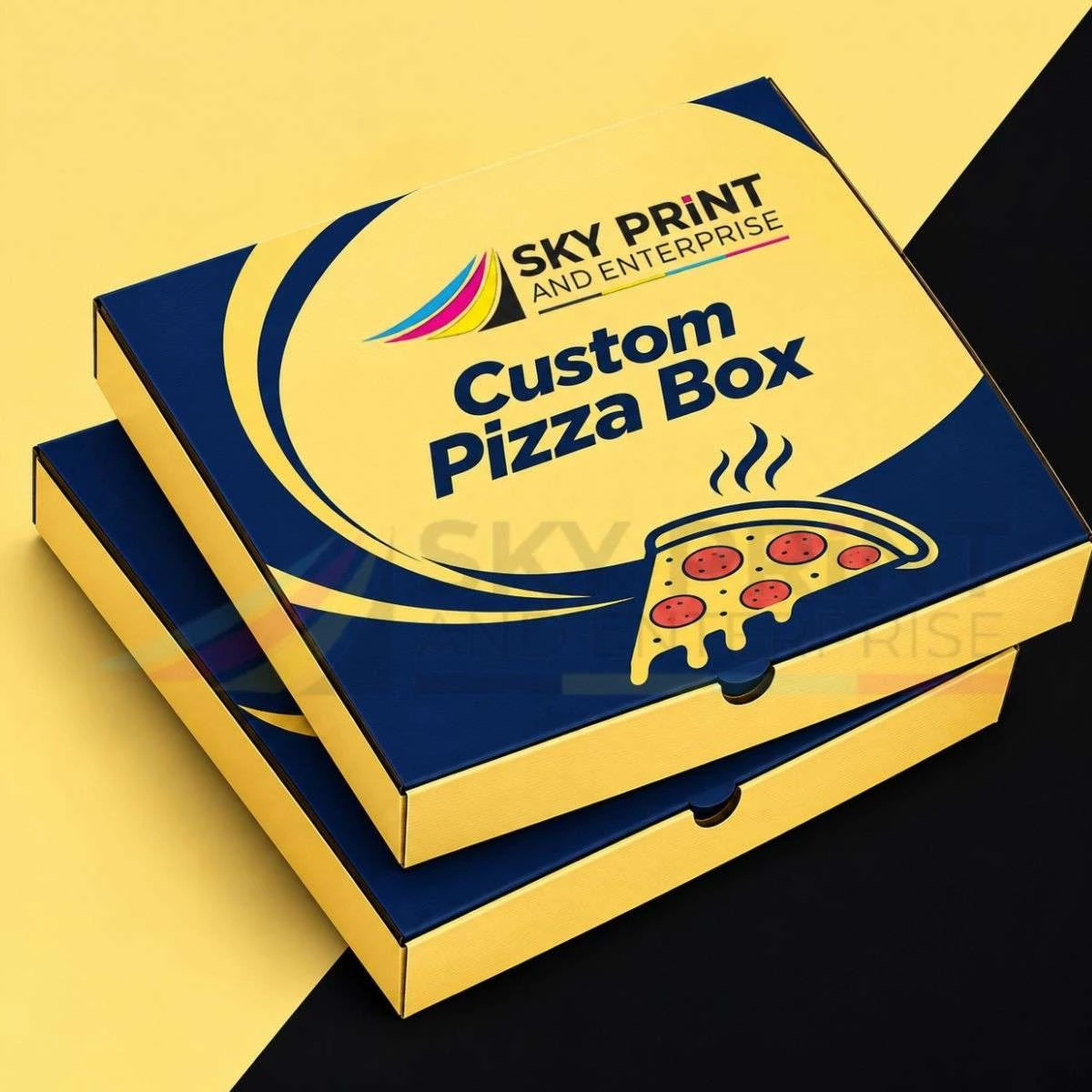
A customer who opens a clean, sealed box feels safe before the first bite, and a customer who opens a damp, dented one starts to worry. At Sky Print and Enterprise, we help UK takeaways build pizza box design that supports good hygiene from the oven to the doorstep. A careful pizza package design keeps the food protected, shows customers that your kitchen takes care and gives your team a simple, repeatable routine. Browse our hygiene-first packaging range as you read, because this guide covers sealing, storage, board, print, labels and training in one place.
Check my box safety with our team if you want a second opinion on your current packaging.
Why Food Safety Starts With the Box
A pizza box is the last barrier between your kitchen and your customer. It protects the food from dust, handling, weather and the inside of a delivery bag. If the box is weak, dirty or poorly closed, even a spotless kitchen loses the benefit of all its careful work. Customers cannot see your hygiene routines, so they judge them by what they hold.
Safety also affects reputation. One greasy, open or crushed box in a review can undo months of good service. Therefore, treat packaging as part of your food safety system, alongside cleaning schedules and temperature checks. Cost still matters, and good habits are cheaper than complaints, so read our guidance on safe budget planning before you choose the cheapest option. A box that protects the food costs far less than a refund and a lost regular.
What Food-Contact Suitability Really Means
Food-contact suitability means that the board, the coating and the ink are suitable for packaging that touches or sits near food. You should never assume it. Ask every supplier to confirm it in writing, and ask what evidence supports that statement. A professional supplier expects the question and answers it clearly, because they know their own products.
Keep the answer in a file you can show an inspector, and update it whenever the specification changes. Record the board type, the supplier, any coating and the date of confirmation. A simple set of food-contact paperwork notes for each box protects you if a customer or an environmental health officer asks a question. Check current UK requirements and Food Standards Agency guidance, and ask your local authority if you are unsure about anything specific to your shop.
Keep Boxes Clean in Storage
Many hygiene problems begin before the box is folded. Damp storage softens board and can encourage mould, dusty cartons look unclean, and boxes stored beside bins or cleaning chemicals can pick up smells. Keep unused boxes in a clean, dry room away from the fryer, the bins and chemicals, and store them off the floor on a shelf or pallet.
Keep boxes in their original wrapping where possible, and close the pack after each use. Rotate stock so older boxes go first. Natural brown board suits many kitchens, and dry-store kraft options hide small marks well, although they still need the same clean, dry storage. Pre-fold only as many boxes as you need for a service, because a pre-folded stack left for days can warp, gather dust and look untidy.
Cleaning Routines Around Your Packaging Station
A tidy packaging station protects every order that passes through it. Wipe the folding surface at the start of each shift, and again after any spill. Keep raw ingredients, waste bins and cleaning sprays well away from the place where boxes are folded and filled. Moreover, separate the clean box stock from the area where staff leave used trays and dirty cloths.
Next, think about the tools on the station. Pizza cutters, tongs and scoops touch both the food and the box, so wash them on a regular schedule and keep them off the floor. Additionally, give staff a dedicated cloth for the packaging area, and replace it often. A damp, grubby cloth spreads dirt faster than it removes it.
Finally, write the routine down. A short, simple cleaning list beside the pass keeps standards steady during a rush, and it helps new starters learn quickly. As a result, the box in the customer's hands reflects the care you put into the kitchen.
Seal the Box and Show Customers Nobody Touched It
A secure closure keeps heat in, dirt out and the lid shut when a bag swings. Many delivery shops add a sticker across the join, which gives customers a visible sign that the box has not been opened since it left your kitchen. The sticker also carries your logo, so it works as a small advert too.
Choose adhesive that holds on a hot, slightly damp box, because glue that sticks on a cold counter can lift in a warm bag. Test the sticker with a real order before you buy a roll. If you want your shop name or a short message on every seal, look at sealing sticker printing to see how a branded label works without crowding the lid. Do not promise legal tamper-evidence unless your supplier can prove it.
Pizza Box Packaging Design for Steam, Grease and Condensation
Strong pizza box packaging design handles three moisture problems at once. Steam from a fresh pizza condenses on cooler board. Grease from cheese and toppings soaks into the base. Condensation from a cold bag adds more water to the lid. Weak board absorbs all of this, softens and sags, and a sagging lid touches the toppings, which is unpleasant and unhygienic.
Many UK takeaways choose condensation-resistant board because the fluted layer adds stiffness and slows heat loss, so the box keeps its shape through the whole journey. Small vent holes let steam escape without opening the lid. Test a real pizza before you order in bulk. Close the box, wait ten minutes and check the base for softness, the lid for drips and the outside for grease marks.
Temperature, Timing and Resting Pizza Before Boxing
Hygiene also depends on timing. A pizza that goes straight from the oven into a closed box releases a burst of steam, and that steam condenses into water on the lid. Therefore, let each pizza rest for about thirty seconds before you close the carton. This short pause lets the worst of the steam escape, and it protects both the crust and the lid.
Moreover, keep an eye on temperature. Follow your own food safety management procedures for hot holding and delivery times, and check current Food Standards Agency guidance if you are unsure. Packaging helps to hold heat, but it never replaces proper temperature control.
Additionally, avoid stacking freshly boxed pizzas on the counter. The weight pushes steam back into the lower boxes, and the bottom pizza suffers first. Instead, bag each order promptly and flat, and hand it to the rider without delay. Small timing habits like these protect quality and safety together, and they cost nothing to adopt.
Handle and Fold Boxes with Clean Hands
Hygiene also depends on how staff handle the box. Wash hands before folding or filling, and keep the inside surface away from fingers, sleeves and worktops wherever possible. Fold boxes on a clean, dry surface, never beside raw ingredients or waste. A small habit such as touching the outer edges only keeps the food-contact surface cleaner.
Simple fold designs help. A box that folds in a few seconds reduces handling and keeps the queue moving. Print a small fold guide on a flap if new starters struggle. Our fold guide layout advice explains how clear markings reduce mistakes and rushed handling. Check the fold again whenever you change board weight, because thicker board folds differently and may need a different technique.
Pizza Box Printable Files and Ink Safety
Many owners search for a pizza box printable template when they plan artwork. A template helps only when it is a dieline made for your exact box. The dieline shows fold lines, glue flaps, vent positions and safe margins. Build your artwork on it, use CMYK colours, add 3 mm of bleed and convert text to outlines so no font goes missing.
Ink deserves a safety question too. Ask your printer which inks and coatings suit food packaging, and keep the answer in writing. Prefer printing on the outside of the box, and keep heavy ink coverage away from surfaces that touch the food. Our ink and file safety guide walks through each step. Always approve a printed proof, because a small error, such as a wrong phone number, repeats across every box in the run.
Coatings, Liners and Surface Choices
Some boxes use a coating or a liner to resist grease. These can help, but they also affect recycling, appearance and cost. Heavy plastic laminates may peel under steam and make the box harder to recycle. Light, water-based coatings usually suit food boxes better. Ask your supplier exactly what the coating is, what it protects against and whether it changes the recycling advice you give customers.
Surface also matters for hygiene. A smooth surface wipes clean in storage and holds sharp print, while a rough surface can gather dust. Compare coating-aware cardboard options before you choose, and request a printed sample on your preferred stock. Judge the sample in daylight, flex it, wet a corner and see how it behaves. A few minutes of testing prevents an unpleasant surprise in a full run.
What Pizza Hut Packaging Design Teaches About Safe Systems
Large chains succeed through repetition. Pizza Hut packaging design uses a recognisable palette, a familiar logo and consistent placement across sizes, so customers know the brand at a glance. The same discipline helps safety. When every box follows one structure and one layout, staff learn one routine, mistakes fall and inspections become simpler because everything is predictable.
A smaller takeaway can copy the idea. Reduce your box types, choose one fold style and keep one board family across sizes. Fewer variables mean fewer surprises. Sides need the same care, because sauce and grease from a side can leak into the main carton. Our hygienic side tubs keep dips, garlic bread and desserts separate, so one leak never spoils the whole order.
Packaging Pizza Box Design Across the Whole Menu
A safe pizza box beside an unsafe wing container makes no sense. Therefore, your packaging pizza box design should extend to every item in the bag. Hot, steamy foods need ventilated cartons, cold foods need protection from warm neighbours, and sauces need sealed pots. A bag that mixes these without thought can leave soggy, greasy or lukewarm food.
We print sealed wing cartons in the same colours as your pizza lids, with vents positioned to release steam without leaking. Likewise, covered burger packs protect a soft bun from moisture and keep your logo in the same position on every item. Pack hot and cold items separately, and tell riders to keep bags flat and closed.
Lunch, Market and Event Hygiene
Daytime and event trade create different risks. Lunch boxes travel through lifts, offices and shared fridges, so lids must stay shut and cold food must stay protected. Market and festival customers eat outdoors, where wind, dust, rain and insects are all risks. A neat, closed carton protects the food and keeps your brand visible without extra effort.
For weekday orders, grab-and-go sandwich packs keep cold food tidy and carry your branding into the office. For stalls, fairs and food trucks, outdoor serving trays give guests a quick, easy option that holds its shape in one hand. Check the organiser's rules and your local council requirements before you trade, and store spare stock off the ground and under cover.
Allergens, Labels and Honest Claims
Packaging supports your allergen process, but it never replaces it. Keep allergen information clear on your menu, on a sign or on a label panel, and follow current Food Standards Agency guidance. Train staff to answer questions confidently, and avoid bold claims such as allergen free, because a shared kitchen carries a cross-contamination risk. A short line such as ask staff about allergens is safer and more honest.
Leave a small blank panel on each lid for a sticker showing a name, an order number or a dietary note. Keep that area clear of dark ink and heavy graphics so the label stays readable. Good label panel design places the panel away from folds and vents. Only print words like vegan or halal if your ingredients, suppliers and process genuinely support them and you can show evidence.
Delivery Bags, Riders and Stacking Safely
The journey is where many hygiene problems happen. A bag that is dirty inside, a box that sits on the floor of a car or a stack that crushes the bottom carton can all spoil the order. Ask riders to keep bags clean and closed, to carry boxes flat and to avoid putting anything heavy on top. Give them a simple instruction card, and thank them when they report problems.
Choose board that survives stacking. A weak carton sags under the weight above it, and the pizza loses its shape and sometimes touches the lid. Many shops pick stack-safe cartons for delivery because the corrugated layer resists crushing. Test a full stack of three or four boxes before ordering in bulk, and check the bottom pizza after ten minutes in a bag.
Working With Delivery Apps and Third-Party Riders
Many takeaways now rely on delivery apps, and those platforms add another layer of handling. Riders may collect several orders at once, and they may carry bags that you never see. Consequently, packaging has to protect the food even when you cannot control the journey.
First, seal every order visibly. A sticker across the lid shows the customer that nobody opened the box after it left your kitchen. Second, choose sturdy board, because third-party bags often carry mixed loads. Third, tell riders how to carry your boxes. A short card or a sign at the pass reminds them to keep boxes flat.
Moreover, read the platform's packaging guidelines, and follow any rules about labels or order information. Platforms update their requirements from time to time, so review them regularly. Finally, respond to packaging complaints quickly and politely, because a calm reply protects your rating.
Staff Training and a Simple Daily Checklist
Even the best box fails without a routine. Write a one-page checklist and display it near the pass. A good checklist covers hand washing, clean box handling, resting the pizza for thirty seconds, closing the lid, adding the seal sticker and bagging the order flat. Repeat it in every induction, and review it whenever you change a box.
Add a short weekly check. Look at the stock room for damp, dust and pests. Look at a sample box for grease marks, soft corners and loose lids. Record the results in one folder. Our proof and process checklist also explains how to approve printed samples before a run. Ask staff what annoys them about the current box, because they notice small hygiene risks that managers miss.
Keeping Standards High in Busy Weeks
Hygiene habits slip fastest when the shop is busiest. Friday nights, bank holidays and big sporting events push staff to work quickly, and shortcuts appear. Therefore, plan for pressure before it arrives.
Order extra boxes early, so nobody improvises with the wrong size. Pre-fold a sensible number of boxes at the start of a shift, but never more than the service needs. Assign one person to sealing and bagging, so every order receives the same checks. Additionally, keep the packaging station clear of clutter, because a crowded surface invites mistakes.
Brief the team before the rush. A two-minute reminder about hand washing, resting pizzas and sealing orders costs almost nothing, and it keeps standards steady.
Recycling and Honest Environmental Messages
Customers care about hygiene and the environment together, and they often ask whether a greasy pizza box can be recycled. Clean corrugated and kraft board are widely recyclable, but heavy grease can limit recycling, and council rules vary across the UK. Therefore, honesty matters more than big promises. A short line such as recycle clean card, bin greasy parts is more credible than a vague claim like fully eco-friendly.
Choose light coatings and water-based inks where possible, and order the right size so you waste less board and less food. Review recyclable card stock options and ask your supplier for written details of any coating before you print an environmental message on the lid. A claim you cannot support can damage trust far more than silence ever would.
Common Packaging Hygiene Mistakes
Even careful owners slip into avoidable habits. Check this list regularly.
- Damp storage: Soft board loses strength and can encourage mould.
- Pre-folding too many boxes: Old stacks warp and gather dust.
- Boxing pizzas too hot: Trapped steam soaks the lid and the crust.
- Weak seals: Open lids spoil confidence and food.
- Loose claims: Words like allergen free or fully eco-friendly invite trouble.
- Skipping samples: A screen preview never replaces a real test.
Local Support for UK Takeaways
A nearby print partner makes sampling, proofing and reordering easier, particularly when you need a quick change before a busy weekend. We support food businesses across England and keep communication clear at every stage. Takeaways in South Yorkshire can use Sheffield safe packaging support for local sample runs, while West Yorkshire businesses can use Leeds hygiene packaging support for fast proofing and dependable scheduling.
Our team checks every file, shares a digital proof and confirms the schedule before production begins. Order a few weeks before busy periods such as Christmas, bank holidays and major sporting weekends, so boxes arrive before demand peaks. Share your forecast early, and we can help you plan quantities, sizes and artwork approval without last-minute pressure. Because we handle design checks, proofing and printing together, you get consistent results with every order.
Final Thoughts
Good pizza box design protects food, supports your hygiene routine and shows customers that your kitchen cares. Confirm food-contact suitability in writing, store boxes clean and dry, seal every order, build files on the correct dieline and repeat one brand look across the whole menu. Train your team, test each change with a real order and keep every claim honest. Our safe pizza cartons and Sky Print and Enterprise support UK takeaways from the first sample to the final delivery.
Request secure box pricing and start your next packaging project today.
FAQs
Does a pizza box need to be food-safe?
Yes. Ask your supplier to confirm food-contact suitability in writing and keep the answer on file.
Should I seal pizza boxes for delivery?
A sticker across the join keeps the lid shut and shows the box has not been opened. Test the adhesive first.
How should I store pizza boxes?
Keep them clean, dry and off the floor, away from the fryer, bins and chemicals.
Are printed pizza boxes recyclable in the UK?
Clean corrugated and kraft boxes are recyclable. Heavy grease can limit recycling, so follow your local council guidance.
How long does production take?
Timing depends on quantity and finish. We confirm the schedule once you approve the proof.

 English
 Arabic
 French
 Spanish
 Portuguese
 Deutsch
 Turkish
 Italiano
 Russian
 Romaian
 Portuguese (Brazil)
 Greek
