
Fractional CO2 Laser Treatment in Dubai for Stretch Marks
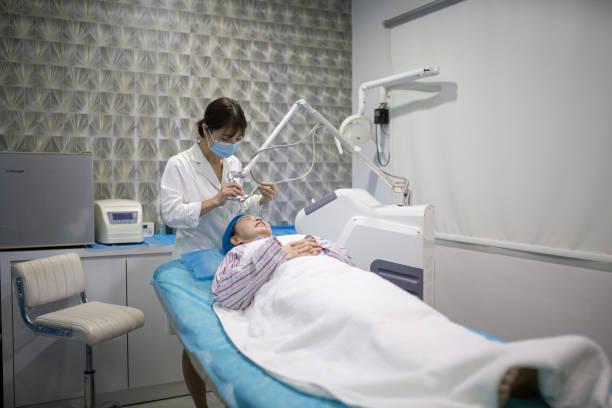
Stretch marks are common changes in the skin that can develop during growth, pregnancy, weight fluctuations or periods of muscle development. They may appear as narrow lines or broader bands across the abdomen, thighs, hips and other areas. For selected cases, Fractional CO2 Laser Treatment in Dubai may be considered to improve the texture and appearance of established stretch marks, particularly when they have become pale and slightly indented.
Stretch marks are not simply surface discolouration. They involve changes within the dermis, which means treatment selection should consider their age, colour, depth and location. Laser resurfacing may help some patients, but complete removal cannot be guaranteed.
Understanding Stretch Marks and Striae Alba
Stretch marks, medically known as striae, develop when the skin undergoes stretching and changes in its supporting tissue. They are associated with alterations in dermal collagen and elastic fibres.
Their appearance often changes over time.
Striae Rubrae and Striae Alba
Stretch marks commonly progress through two broad visual stages:
-
Striae rubrae: Earlier stretch marks that may appear pink, red, purple or darker than the surrounding skin.
-
Striae alba: More established marks that often become pale, white or silvery and may develop a slightly wrinkled or depressed texture.
The colour and appearance vary with skin tone. A dermatologist should assess the marks rather than relying on colour alone to determine their age or treatment suitability.
Why Established Stretch Marks Can Be Difficult to Treat
Striae alba involve established changes in the dermal structure. Their pale appearance and altered texture can make them challenging to improve.
Topical moisturisers may support skin comfort, but they generally cannot restore all of the structural changes associated with mature stretch marks. Procedures may be considered when the patient wants to address texture or visible irregularity.
How Fractional CO2 Laser Treatment in Dubai Works on Stretch Marks
Fractional CO2 is an ablative resurfacing treatment that delivers energy in microscopic columns. Its 10,600 nm wavelength is absorbed by water in the skin, producing controlled tissue vaporisation and surrounding thermal effects.
The treated areas initiate a repair response. Over time, collagen-related remodelling may contribute to changes in skin texture and the appearance of selected stretch marks.
Fractional CO2 Laser Treatment in Dubai for Striae Alba
A specialist may consider fractional CO2 for established stretch marks when the main concern involves:
-
Uneven or wrinkled surface texture.
-
Shallow depressions.
-
Visible differences between affected and surrounding skin.
-
Selected areas of dermal textural change.
The response varies. Some stretch marks may become less noticeable, while others may show limited improvement because of their depth, width or underlying tissue changes.
Why Treatment Settings Need to Be Individualised
The abdomen and thighs can differ in skin thickness, elasticity and stretch mark characteristics. The treatment plan should reflect the specific area and the patient's skin type.
Factors that may influence the approach include:
-
Width and depth of the stretch marks.
-
Number and distribution of affected areas.
-
Skin tone and history of pigmentation.
-
Previous procedures and healing response.
-
Treatment density and energy settings.
-
The patient's tolerance for recovery.
Higher treatment intensity is not automatically associated with better results. Excessive inflammation can increase the risk of prolonged redness, pigment changes or scarring.
Which Areas May Be Considered for Treatment?
Stretch marks can appear across several body regions. Each area requires assessment because tissue characteristics and movement differ.
Abdomen
Abdominal stretch marks may develop after pregnancy, weight changes or periods of rapid growth. The skin may also have associated laxity, which resurfacing alone cannot fully correct.
A specialist should distinguish surface texture concerns from significant loose skin or abdominal wall changes.
Thighs and Hips
Stretch marks on the thighs and hips may be associated with growth, weight fluctuations or changes in body composition. Treatment planning should account for the extent of the affected area and friction from clothing during recovery.
Other Body Areas
Stretch marks may also occur on the breasts, upper arms, lower back and buttocks. Suitability depends on the local skin condition and the treatment area's characteristics.
Fractional CO2 Compared With Other Stretch Mark Treatments
No single procedure is appropriate for every type of stretch mark. A dermatologist may discuss different approaches depending on whether the primary concern is colour, texture, depth or skin laxity.
| Treatment approach | Potential role | Important consideration |
|---|---|---|
| Fractional CO2 resurfacing | May improve selected textural changes | Ablative treatment with downtime and pigmentation risk |
| Microneedling | May support collagen-related changes | Response varies with device and technique |
| RF microneedling | Combines needle delivery with radiofrequency energy | Requires individualised settings and assessment |
| Topical treatments | May be considered for selected early marks | Mature striae alba may respond less predictably |
| Surgical procedures | May address selected areas of excess skin | Involves surgery and is not suitable for all stretch marks |
A treatment plan may involve more than one modality, but procedures should be selected and sequenced by a qualified clinician.
Preparing for Body Resurfacing
Before treatment, the clinician should review the patient's medical history, skin tone, previous scars and any tendency toward abnormal healing or pigmentation.
Patients should discuss pregnancy or breastfeeding status where relevant, current medications, previous cosmetic procedures and any active skin irritation in the treatment area.
Recent tanning and significant sun exposure should also be discussed because they may influence treatment timing.
Planning Around Clothing and Daily Activities
After resurfacing, the treated area may feel warm, sensitive or irritated. Loose, comfortable clothing can help reduce friction during the early recovery period.
Patients should ask the clinician when they can safely resume exercise, swimming and activities that cause sweating or rubbing against the treated area.
Recovery and Aftercare
Recovery depends on the treatment intensity and the size of the area. Redness, swelling, sensitivity, pinpoint crusting and peeling may occur.
A clinician may recommend:
-
Gentle cleansing according to the aftercare plan.
-
Appropriate moisturising or barrier-support products.
-
Avoiding friction and tight clothing over the treated area.
-
Not picking or removing crusts.
-
Pausing irritating skincare ingredients until approved.
-
Protecting exposed skin from sunlight.
-
Attending recommended follow-up appointments.
Worsening pain, spreading redness, pus, fever or other unusual symptoms should be assessed by the treating clinician.
What Results Should Patients Expect?
The aim of treatment is usually to improve the appearance and texture of selected stretch marks, not to erase every line.
Some patients may notice gradual changes as the skin heals and collagen remodelling continues. The degree of improvement depends on the stretch marks themselves, the treatment approach and individual healing.
Patients should discuss realistic expectations, the possibility of multiple sessions and alternative treatments before proceeding.
Clinic Note: Mature stretch marks involve changes in the deeper skin structure. Fractional resurfacing may improve selected textural features, but results vary and complete removal should not be expected.
Frequently Asked Questions
Can fractional CO2 remove white stretch marks?
It may improve the texture and appearance of selected white or mature stretch marks, but complete removal is not guaranteed. Suitability depends on their depth, width and the patient's skin characteristics.
Is fractional CO2 suitable for abdominal stretch marks?
It may be considered for selected cases after assessment. Significant abdominal skin laxity or other structural concerns may require a different treatment discussion.
How many sessions are needed?
The number varies according to the area, severity of the marks and response to treatment. The clinician should establish a plan after examining the skin.
Are stretch marks easier to treat when they are red?
Earlier stretch marks and mature pale marks have different characteristics. Treatment selection depends on the stage and the patient's skin, and no stage guarantees a particular result.
Can stretch marks return after laser treatment?
Treated stretch marks may remain visible, and new ones can develop if the skin stretches again. Laser treatment does not prevent future stretch marks.
Explore Stretch Mark Treatment Options at Tajmeels Clinic
Stretch mark treatment should be based on the age, depth and location of the marks, as well as the patient's skin characteristics and expectations. Tajmeels Clinic can help patients discuss available aesthetic options and determine whether fractional resurfacing may be suitable. An individual consultation provides an opportunity to review likely benefits, limitations, recovery and alternative approaches.

 English
 Arabic
 French
 Spanish
 Deutsch
 Turkish
 Dutch
 Italiano
 Russian
 Romaian
 Portuguese (Brazil)
 Greek
