
What Are the Possible Risks and Complications of Rhinoplasty?
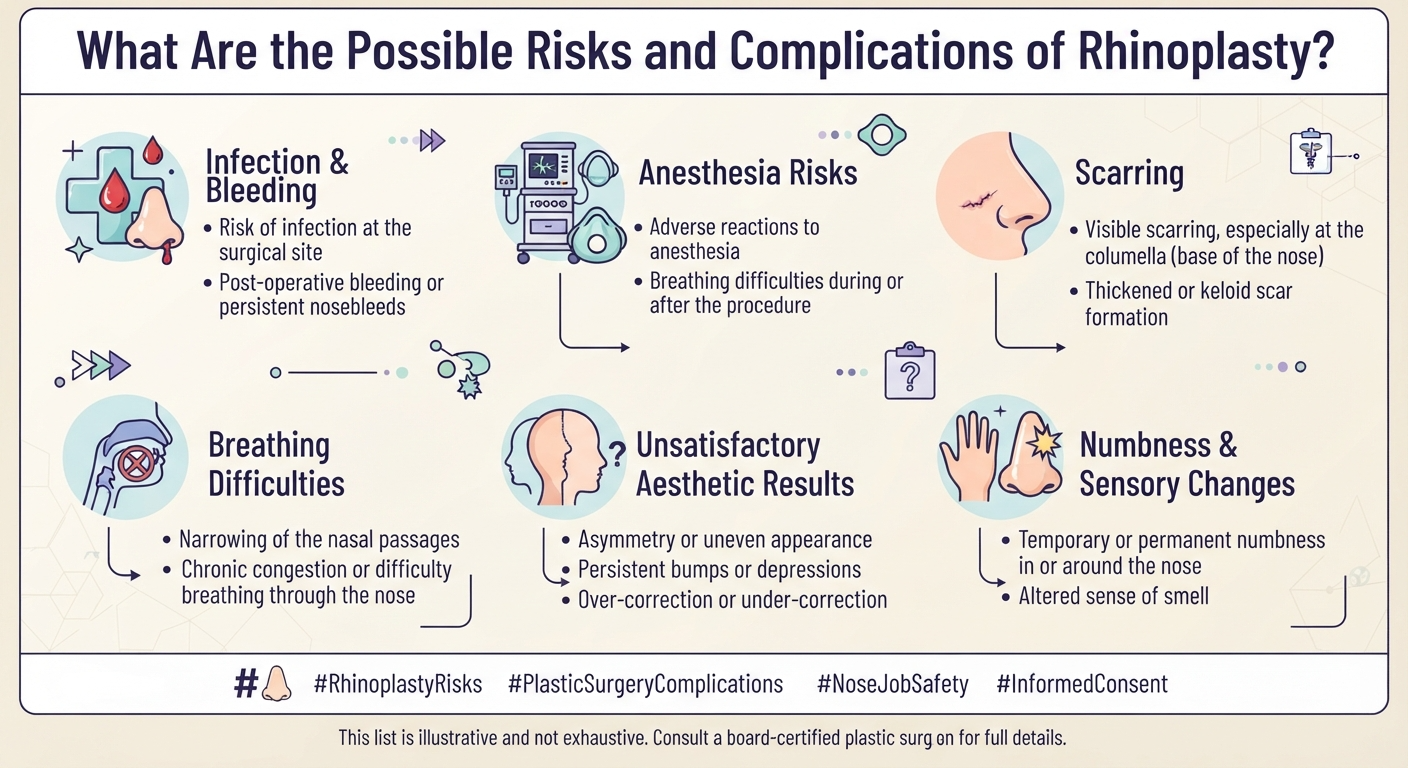
Rhinoplasty, commonly called nose reshaping surgery or a nose job, can improve nasal appearance, correct structural irregularities, and sometimes help address breathing difficulties. However, like every surgical procedure, rhinoplasty carries potential risks that should be understood before treatment.
Some effects, such as swelling, bruising, temporary congestion, and mild discomfort, are expected during recovery. Other complications, including infection, persistent breathing problems, or an unsatisfactory cosmetic result, are less common but may require medical attention.
If you are considering Rhinoplasty Surgery in Jeddah, learning about these possibilities can help you have a more informed consultation and make decisions based on your health, expectations, and individual nasal anatomy.
Expected Side Effects Versus Actual Surgical Complications:
It is important to distinguish normal postoperative effects from complications that may need additional treatment.
After rhinoplasty, patients commonly experience swelling around the nose, bruising near the eyes, temporary nasal blockage, mild soreness, and changes in nasal sensation. These effects usually improve as healing progresses.
A complication is a problem that develops during or after surgery and may require medical assessment or treatment. Examples include significant bleeding, infection, persistent breathing obstruction, or an unexpected structural change.
The likelihood of complications depends on several factors, including the complexity of surgery, medical history, surgical technique, and individual healing response. Your surgeon should explain which risks are particularly relevant to your case.
Common Rhinoplasty Side Effects During Early Recovery:
Most patients experience some temporary changes after nose surgery. Knowing what to expect can help you recognise the normal stages of healing.
Swelling and bruising: Swelling is common after nasal bone or cartilage reshaping. Bruising may appear around the eyes and gradually fade over the following days or weeks. Residual swelling, particularly around the nasal tip, can remain for months.
Nasal congestion: Internal swelling and temporary changes inside the nose can make breathing through the nostrils difficult during early recovery. Follow your surgeon's instructions about nasal cleaning and avoid blowing your nose unless permitted.
Mild pain and discomfort: Tenderness, pressure, or soreness can occur after surgery. Your medical team can recommend suitable pain relief based on your health and medication history.
Temporary numbness: The skin around the nose or nasal tip may feel less sensitive while nerves and surrounding tissues recover.
Minor bleeding: Small amounts of blood-tinged discharge or light bleeding may occur during the early postoperative period. Heavy or persistent bleeding is not something to ignore.
These effects should generally improve over time. If symptoms become more severe instead of gradually settling, contact your surgical team.
More Significant Risks That Patients Should Understand:
Although serious complications are not expected in every patient, rhinoplasty can affect both the appearance and function of the nose. Discuss the following possibilities with your surgeon before consenting to treatment.
1. Infection After Nose Surgery
An infection can develop in or around the surgical area. Warning signs may include increasing redness, worsening pain, fever, unusual discharge, or swelling that becomes more pronounced.
Your surgeon should explain how postoperative wound care is managed and whom to contact if infection is suspected. Prompt medical assessment is important because untreated infection can interfere with healing.
2. Excessive Bleeding
Bleeding can occur during or after rhinoplasty. In some cases, significant bleeding may require additional treatment or medical intervention.
Your medical team should review medicines, supplements, and any history of bleeding disorders before surgery. Never stop prescribed blood-thinning medication without medical advice.
3. Persistent or Worsened Breathing Difficulties
Rhinoplasty can be performed for cosmetic reasons, functional reasons, or both. However, changes to the nasal structure can sometimes lead to ongoing or new airflow problems.
Possible causes include internal swelling, scar tissue, narrowing of the nasal passages, or changes in structural support. If breathing becomes persistently difficult after recovery, your surgeon should assess the nasal airway and identify the cause.
4. Changes in the Sense of Smell
Some patients notice temporary changes in their sense of smell after nose surgery, particularly when internal swelling or congestion is present. Persistent changes are less common but should be discussed with a medical professional.
5. Septal Damage or Perforation
The nasal septum is the internal wall separating the two nostrils. Surgery involving this area may rarely cause damage or a perforation, which is an opening in the septum.
Depending on its size and location, a perforation may cause crusting, bleeding, whistling sounds during breathing, or obstruction. Additional treatment may be needed.
6. Scarring, Asymmetry, or Unsatisfactory Appearance
Rhinoplasty aims to create a balanced appearance, but perfect symmetry cannot be guaranteed. Differences in healing, skin thickness, cartilage structure, or scar formation can influence the final result.
Some patients may remain dissatisfied with a particular feature or notice an unexpected contour irregularity. In selected cases, revision rhinoplasty may be considered after sufficient healing, but further surgery is not always appropriate or able to achieve the requested change.
Can Rhinoplasty Complications Be Related to Anaesthesia?
Rhinoplasty may involve general anaesthesia or another anaesthesia approach selected by the medical team. Anaesthesia has its own risks, which depend on your health, medical history, and the type of medication used.
Possible complications include nausea, vomiting, allergic reactions, and breathing or cardiovascular problems. More serious complications, such as blood clots or chest-related problems, are uncommon but can occur with surgery.
Before the operation, the anaesthetist should review your medical conditions, previous anaesthesia experiences, allergies, and current medicines. Tell the team about smoking, vaping, alcohol use, and any recent illness.
Which Factors Can Increase the Risk of Rhinoplasty Complications?
There is no single risk profile for every patient. Certain circumstances may make surgery or recovery more complex.
-
Existing medical conditions: Uncontrolled health problems may affect anaesthesia, bleeding, or healing.
-
Smoking and nicotine use: Nicotine can interfere with circulation and tissue recovery.
-
Medication and supplements: Some products can affect bleeding or interact with anaesthesia.
-
Previous nasal surgery: Scar tissue and altered cartilage can make revision rhinoplasty more challenging.
-
Complex nasal anatomy: Significant structural changes may require more extensive surgical planning.
-
Unrealistic expectations: A requested result may not be achievable without compromising nasal function or facial balance.
A detailed medical assessment helps the surgeon identify concerns and decide whether surgery should proceed, be modified, or be postponed.
How Can Patients Reduce Avoidable Risks Before and After Rhinoplasty?
No preparation routine can eliminate every surgical risk. However, following professional instructions can help reduce avoidable problems.
Before surgery, provide an accurate medical history and disclose all prescription medicines, over-the-counter products, vitamins, and supplements. Complete the investigations requested by your medical team and follow instructions about medication adjustments, smoking cessation, and fasting.
After surgery:
-
Keep the nasal splint in place for the period advised by your surgeon.
-
Avoid touching, pressing, or accidentally bumping your nose.
-
Sleep with your head elevated if instructed.
-
Take prescribed medication exactly as directed.
-
Avoid strenuous activity until your surgeon approves it.
-
Follow guidance about glasses, nasal cleaning, and exercise.
-
Attend all scheduled follow-up appointments.
Enfield Royal Clinic Jeddah's published recovery guidance indicates that splint removal may occur around five to seven days after surgery. It also advises avoiding strenuous activity for approximately two to three weeks and glasses resting on the nose for around four to six weeks when instructed. Individual recommendations may differ.
When Should You Seek Medical Attention After Nose Surgery?
Some swelling, congestion, and discomfort are expected. However, certain symptoms require prompt assessment.
Contact your surgical team if you experience increasing pain, persistent bleeding, fever, worsening redness, unusual discharge, or a sudden change in the appearance of your nose.
Seek urgent medical care for severe breathing difficulty, uncontrolled bleeding, chest pain, fainting, or other serious symptoms. Do not wait for your next routine appointment if you believe you are experiencing a medical emergency.
Rhinoplasty Cost in Jeddah: Understanding the Published Prices
The type of procedure and its complexity can influence the surgical plan and total cost. Enfield Royal Clinic Jeddah publishes the following procedure-specific price ranges:
| Rhinoplasty procedure | Published cost |
|---|---|
| Basic Cosmetic Rhinoplasty (Open or Closed) | SAR 12,000–18,000 |
| Advanced Cosmetic Nose Surgery (Open Technique) | SAR 18,000–25,000 |
| Functional Rhinoplasty (Septorhinoplasty) | SAR 18,000–25,000 |
| Revision Rhinoplasty (Complex Open Surgery) | SAR 25,000–35,000+ |
| Ethnic Rhinoplasty (Customized Approach) | SAR 18,000–30,000 |
| Non-Surgical Rhinoplasty (Dermal Fillers) | SAR 1,500–3,500 |
These are the clinic's published estimates, not guaranteed individual quotations. The final fee may depend on the surgical technique, complexity, anaesthesia, and facility-related charges. Ask for an itemised quotation and confirm whether tests, medication, and follow-up appointments are included.
Non-surgical Rhinoplasty Surgery uses dermal fillers and has different risks from surgical nose reshaping. It should not be considered a risk-free alternative.
Choosing a Qualified Rhinoplasty Surgeon in Jeddah:
The surgeon's experience and approach to patient assessment are important considerations when planning nose surgery.
Enfield Royal Clinic Jeddah identifies Dr. Muhammad Asem as a facial surgery specialist with more than 15 years of experience in facial surgeries. The clinic also lists Dr. Muhannad Ahmad, Dr. Mohamed Asem, and Dr. Mohamed Elnahas as plastic and reconstructive surgeons.
Before booking, confirm which surgeon will personally assess and perform your procedure. Ask about their relevant qualifications, experience with your specific nasal concern, the surgical facility, anaesthesia arrangements, and postoperative support.
The clinic's published patient policy also states that patients should receive information about potential risks, benefits, alternatives, practitioner qualifications, and costs before providing consent. Patients can ask questions, seek another opinion, or refuse treatment if they are not comfortable proceeding.
Frequently Asked Questions About Rhinoplasty Risks:
Is rhinoplasty a high-risk surgery?
Rhinoplasty is commonly performed, but it is still an operation with potential complications. The individual level of risk depends on health, anatomy, surgical complexity, and anaesthesia considerations.
Can rhinoplasty permanently affect breathing?
Persistent breathing difficulty is a possible complication, although it does not occur in every patient. Changes to nasal structure, scarring, or internal narrowing may affect airflow and require assessment.
Can the nose become asymmetrical after rhinoplasty?
Yes. Differences in anatomy, healing, swelling, and scar formation can result in asymmetry. Some irregularities improve as swelling settles, while others may persist.
Does revision rhinoplasty carry additional risks?
Revision surgery can be more complex because previous procedures may have changed cartilage, tissue, and structural support. The surgeon must assess these factors before recommending further correction.
When should I worry about swelling after rhinoplasty?
Swelling is expected after surgery and usually improves gradually. Contact your surgeon if swelling suddenly increases, becomes associated with fever or worsening pain, or is accompanied by other concerning symptoms.
Does rhinoplasty guarantee better breathing?
No. Functional rhinoplasty may improve airflow when a correctable structural problem is present, but improvement cannot be guaranteed. Your surgeon should assess the cause of your breathing difficulty and discuss realistic expectations.
Make an Informed Decision Before Rhinoplasty:
Rhinoplasty can offer aesthetic and functional benefits, but patients should understand its possible side effects and complications before proceeding. Temporary swelling and bruising are common, while problems such as infection, significant bleeding, persistent breathing changes, and dissatisfaction with the result require careful consideration.
If you are exploring rhinoplasty in Jeddah, arrange a consultation with a qualified surgeon and discuss your health, nasal anatomy, treatment options, recovery plan, and individual risk factors. An informed decision should be based on clear medical advice, realistic expectations, and a full understanding of both benefits and limitations.

 English
 Arabic
 French
 Spanish
 Portuguese
 Deutsch
 Turkish
 Dutch
 Russian
 Romaian
 Portuguese (Brazil)
 Greek
