
How AI-Powered App Builders Are Transforming SaaS Development
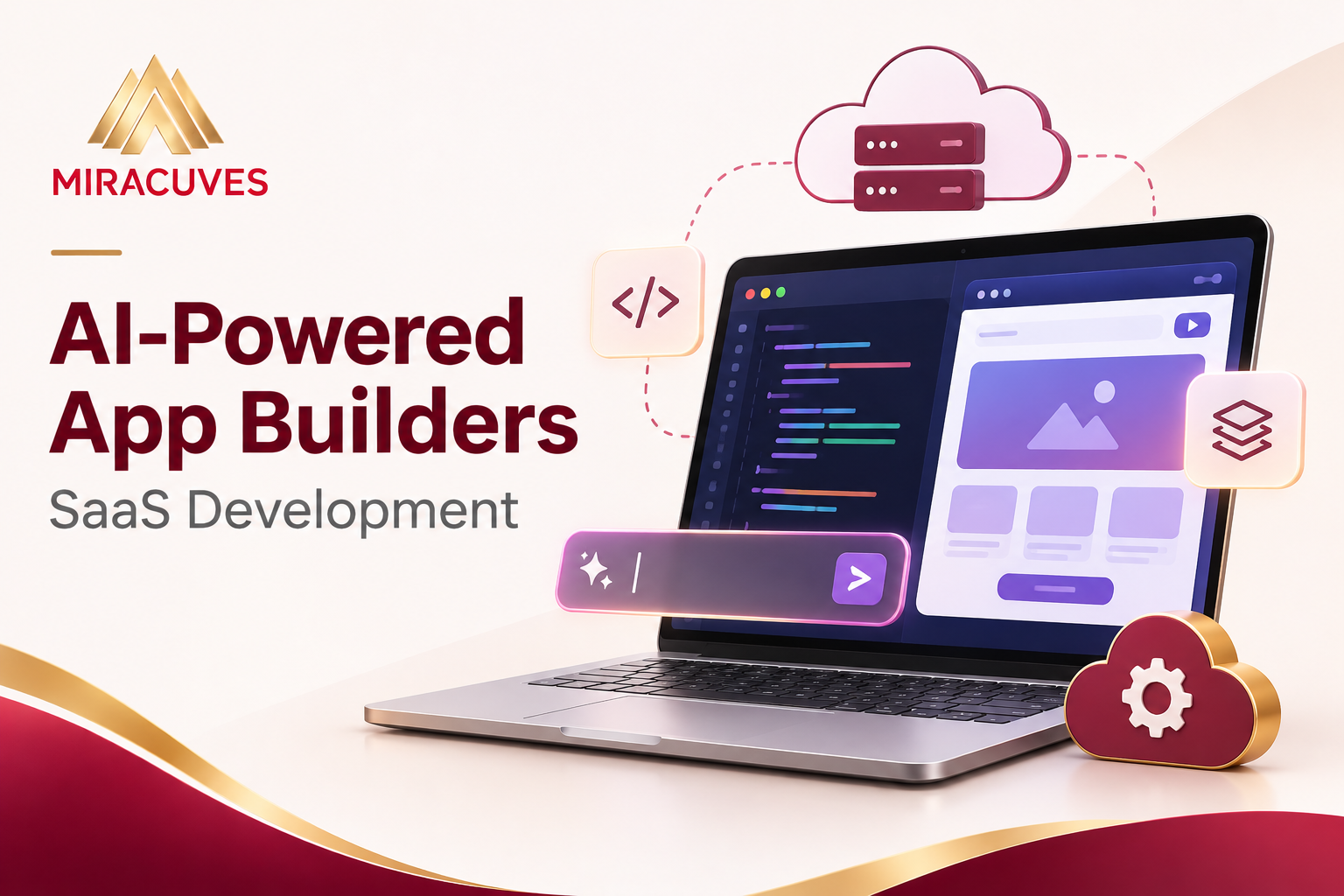
Artificial intelligence is transforming the software development industry by introducing new ways to create, customize, and deploy digital applications. Entrepreneurs and businesses can now use AI-powered development platforms to turn natural language instructions into functional software prototypes, reducing repetitive coding tasks and accelerating product experimentation.
The combination of artificial intelligence and Software as a Service (SaaS) creates significant opportunities for technology startups, independent developers, digital agencies, and enterprise organizations.
From intelligent code generation to subscription management, modern SaaS platforms can help businesses deliver accessible development tools while establishing recurring revenue opportunities.
The Rise of AI-Powered Application Development
Traditional software development requires expertise across programming, interface design, backend engineering, testing, and deployment. These requirements can make product development challenging for entrepreneurs with limited technical resources.
AI-powered application builders simplify parts of this process by allowing users to describe their requirements through natural language prompts.
For example, a founder could request a customer management dashboard with authentication, reporting, and account settings. An AI development platform could generate an initial application structure that developers subsequently review, modify, and test.
This approach helps businesses accelerate prototyping, validate product ideas, and reduce repetitive development work without eliminating the need for professional engineering.
Building an AI App Builder Like Bolt.new
Bolt.new represents a development approach that combines artificial intelligence, code generation, browser-based execution, and interactive application previews.
Entrepreneurs interested in entering this market can explore a Bolt.new Clone to establish their own branded AI-powered application development platform.
The solution provides a foundation for generating and editing applications, reviewing code modifications, previewing projects, and managing commercial AI usage.
Essential Features of an AI App Builder
A competitive AI development platform should combine intelligent automation with practical software engineering capabilities.
-
AI code generation: Convert natural language requirements into application code.
-
Browser-based execution: Run supported development environments directly within the browser.
-
Live application previews: Allow users to inspect changes while building applications.
-
Multi-file project management: Generate and modify related files across a software project.
-
Integrated code editor: Enable developers to review and refine generated code.
-
AI model management: Configure supported language model providers and usage permissions.
-
Credit-based subscriptions: Manage AI consumption according to customer plans.
Together, these features can support an interactive environment for entrepreneurs, developers, agencies, and technology teams.
Why SaaS Is an Effective Business Model for AI Platforms
The SaaS business model allows customers to access software through subscriptions rather than purchasing and maintaining separate installations.
For AI-powered development platforms, this model creates opportunities to generate recurring revenue while continuously introducing improvements and additional capabilities.
However, AI platforms have different operating costs from conventional subscription products. Every generation request may consume model tokens, computing resources, or external API services.
Businesses must establish pricing structures that reflect actual usage costs while delivering meaningful customer value.
Professional SaaS Development Services can provide a foundation for subscription management, customer workspaces, administrative controls, usage tracking, and account permissions.
Subscription and Usage-Based Monetization
An AI development platform can introduce multiple pricing options based on customer requirements.
A free plan may offer limited AI credits for experimentation. Professional subscriptions could provide higher usage allowances and advanced development capabilities.
Team subscriptions may include collaborative workspaces, additional seats, and centralized billing. Enterprise agreements can address dedicated infrastructure, security requirements, and organizational access controls.
Businesses should monitor model consumption and customer activity to ensure that subscription revenue supports ongoing operational expenses.
Opportunities Across the Technology and SaaS Industry
AI-powered application builders can serve different customer segments across the technology industry.
Startups can use these platforms to develop early prototypes and validate business concepts. Digital agencies can accelerate initial project development, while established software companies can introduce AI-assisted internal engineering tools.
Organizations exploring Technology and SaaS Platform Development can establish software ecosystems that combine customer isolation, identity management, subscription billing, and scalable application infrastructure.
Supporting Enterprise Development Requirements
Enterprise customers often require capabilities beyond basic AI generation.
Their requirements may include centralized authentication, role-based permissions, detailed audit records, configurable data retention, and integration with existing business systems.
Designing these capabilities early can reduce the complexity of introducing enterprise subscriptions after the platform has already attracted customers.
Security and Source Code Management
Security is particularly important when artificial intelligence platforms process application source code, business requirements, and potentially confidential information.
Platform operators should establish clear policies regarding how customer prompts, generated files, credentials, and project information are handled.
AI provider credentials should remain protected through appropriate server-side controls. Generated applications should also undergo security assessments before being deployed into production environments.
Developers must review AI-generated authentication logic, database permissions, dependency selection, and external integrations.
Providing code export functionality can give customers greater flexibility while reducing dependency on a single development environment.
Benefits of Ready-Made AI and SaaS Solutions
Building an AI-powered application development platform from scratch can require substantial engineering resources.
Ready-made solutions can reduce initial development effort by providing existing application structures, AI integrations, subscription functionality, and administrative components.
Businesses can focus more resources on customization, product positioning, customer acquisition, and specialized functionality.
Miracuves offers customizable AI app builder and SaaS software foundations that businesses can adapt to their branding and operational requirements, with source-code ownership available under the published delivery model.
Actual implementation requirements depend on the selected features, integrations, infrastructure, and security expectations.
How to Launch a Successful AI-Powered SaaS Platform
A successful launch begins with understanding the target audience and identifying the specific development problems the platform will solve.
Rather than supporting every programming framework and AI model immediately, entrepreneurs should prioritize capabilities that address their customers' most important requirements.
An initial product could focus on generating business dashboards, landing pages, internal tools, or application prototypes.
Before launch, businesses should test code generation accuracy, project recovery, preview functionality, subscription payments, and AI credit consumption.
Monitoring activation rates, successful application builds, subscription conversions, customer retention, and model costs can help operators identify improvement opportunities.
A controlled rollout allows businesses to validate their platform before expanding into additional markets and enterprise customer segments.
The Future of AI-Powered SaaS Development
AI-assisted development is creating opportunities for more accessible and efficient software creation.
Future platforms may increasingly combine intelligent coding assistants, automated testing, collaborative development, deployment automation, and specialized industry workflows.
Businesses that prioritize reliable architecture, transparent pricing, customer privacy, and practical development capabilities will be better positioned to compete.
The objective should not simply be generating more code. It should be helping customers create useful, maintainable, and dependable software.
Conclusion
AI-powered application builders and SaaS development platforms are changing how businesses approach digital product creation.
By combining intelligent code generation, scalable infrastructure, subscription management, and customizable development environments, entrepreneurs can establish differentiated technology businesses.
A successful AI SaaS platform requires more than automation. It depends on thoughtful product planning, secure architecture, sustainable monetization, and continuous improvements driven by customer requirements.
With the right technology foundation, businesses can turn innovative software ideas into scalable digital products.

 English
 Arabic
 French
 Spanish
 Portuguese
 Deutsch
 Dutch
 Italiano
 Russian
 Romaian
 Portuguese (Brazil)
 Greek
