
How to Read a Blue Strips LA Clothing Size Chart Like a Pro
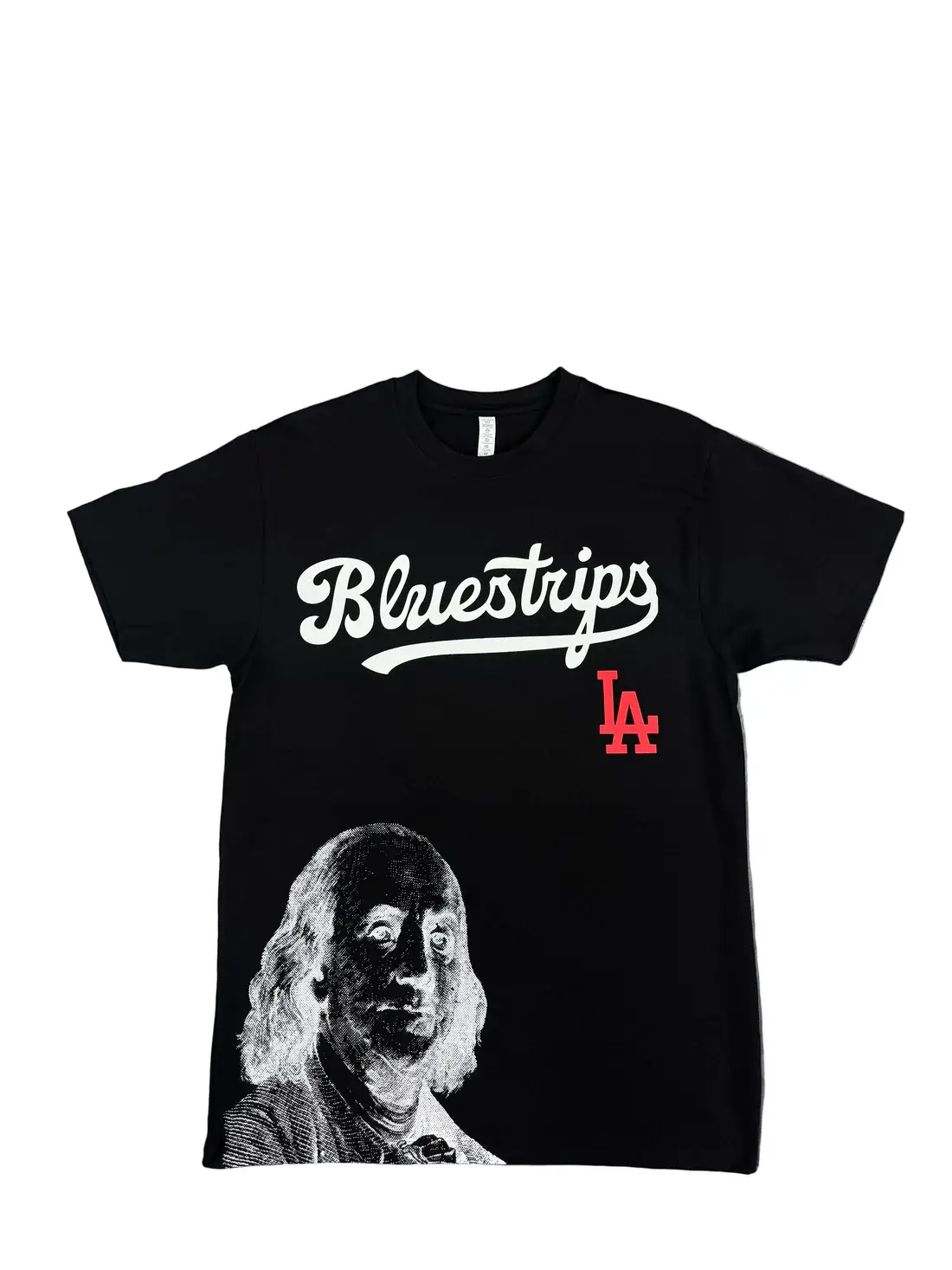
Few things are more annoying than waiting a week for a package, opening it, and finding that your new shirt does not fit. It is a common problem with online shopping, and it usually happens for one reason: the size chart was ignored or misunderstood.
If you plan to buy Blue Strips LA clothing, learning to read the size chart can save you time, money, and returns. The good news is that it is not hard. You only need a measuring tape, a few minutes, and a little know-how. This guide explains how to take your measurements, understand the numbers, choose the right fit, and avoid common mistakes. FAQs are included at the end.
Quick note: Size charts differ between products and sellers. Always use the chart shown on the exact product page you are buying from.
Why the Size Chart Matters More Than the Size Label
Many people shop by label alone. They see "M" or "L" and assume it will fit like the shirts in their closet. But a size label is only a name. The real information is in the numbers.
Here is why labels can mislead you:
-
Brands cut clothes differently. A medium from one store can fit like a large from another.
-
Fit styles vary. A slim fit runs closer to the body than a relaxed fit.
-
Fabric changes the feel. Stretchy cotton blends forgive small errors, while stiff woven shirts do not.
-
Striped fabric shows mistakes. If a shirt is too tight, stripes can stretch and look uneven.
When you trust the numbers instead of the label, you get a much better fit.
What You Need Before You Start
Gather these simple tools:
-
A soft measuring tape. The flexible kind used for sewing works best.
-
A notebook or phone. Write your numbers down so you do not forget.
-
A well-fitting shirt. This is optional, but it gives you something to compare.
-
A mirror or a helper. It is easier to measure accurately with a second pair of hands.
Wear light clothing while you measure. Thick sweaters add extra inches and give false numbers.
Step 1: Take Your Body Measurements
Stand straight, relax your shoulders, and keep the tape snug but not tight. You should be able to slip one finger under it.
Chest or Bust
Wrap the tape around the fullest part of your chest, under your armpits and across your shoulder blades. Keep the tape level all the way around.
Waist
Measure around the narrowest part of your waist, usually just above your belly button. Do not pull the tape tight or hold your breath.
Hips
Measure around the fullest part of your hips and seat. This matters most for pants, shorts, skirts, and sets.
Shoulders
Measure across your back from the edge of one shoulder to the edge of the other. A helper makes this easier.
Sleeve Length
Measure from the edge of your shoulder to your wrist, with your arm slightly bent.
Inseam
For pants and shorts, measure from the top of your inner thigh down to your ankle or the length you prefer.
Height and Weight
Some charts include height or weight ranges. Keep these numbers handy in case you need them.
Step 2: Understand the Chart Layout
Most size charts follow a simple pattern. Sizes such as XS, S, M, L, and XL run down one side, and measurements run across the top. You will often see these headings:
-
Chest or bust width
-
Body length
-
Shoulder width
-
Sleeve length
-
Waist and hip
-
Inseam
Look closely at the measurement type, because there are two main kinds.
Body measurements: These describe your body. You compare them to your own numbers.
Garment measurements: These describe the actual clothing laid flat. You compare them to a shirt you already own.
Mixing these up is a very common error, so always check which one the chart uses.
Step 3: Check the Units
Some charts use inches, while others use centimeters. One inch equals 2.54 centimeters. If your tape shows both, you can switch easily. If a chart looks strange, such as a chest size of 100 for a small shirt, it may be using centimeters.
Also watch for "flat" versus "round" numbers. A chest width of 20 inches measured flat means the full chest circle is about 40 inches. Many garment charts list the flat width, so double the number to compare it with your body.
Step 4: Compare Your Numbers
Now match your measurements to the chart.
-
Start with your chest or bust. For tops, this is the key number.
-
Check the other numbers. Make sure shoulders, length, and sleeves also work for you.
-
Match the size that fits most numbers. If most of your measurements fall into one size, pick that one.
-
Compare with a favorite shirt. Lay a shirt you love flat and measure it. Then find the size on the chart with similar numbers.
This last trick is one of the best tools a shopper can use. It takes away most of the guessing.
Step 5: Choose Your Fit
Your size is only part of the story. The type of fit changes how the clothing looks and feels.
-
Slim fit: Close to the body. Choose your exact size or the next size up if you want more room.
-
Regular fit: Straight and balanced. Your exact size usually works.
-
Relaxed fit: Roomy and easygoing. Choose your normal size for a loose feel.
-
Oversized: Extra wide and long. Pick your normal size for the intended look, or size down if you want it less baggy.
Read the product description for fit words. If the seller names the model's height and size, compare it to your own.
What to Do When You Are Between Sizes
This happens to almost everyone. Here is how to decide.
-
Think about the fabric. Stretchy cotton blends can handle a smaller size. Stiff fabrics need the larger one.
-
Think about layering. If you plan to wear it over a tee or under a jacket, go up.
-
Think about shrinking. Cotton may shrink a little after washing, so a roomier size can help.
-
Think about your style. Do you like a snug, neat look or a loose, comfy one?
When in doubt, choose the larger size. A slightly loose shirt is easier to fix than a tight one.
Special Tips for Striped Clothing
Stripes add a few extra things to consider.
-
Tight fits stretch the lines. Stripes can look wavy across the chest if the shirt is too small.
-
Length matters. Horizontal stripes can make a short shirt look even shorter.
-
Stripe size changes the look. Wide stripes look bold on a roomy fit, while thin stripes look neat on a regular fit.
-
Matching sets need balance. If you buy a top and bottom together, check both size charts, since your sizes may differ.
Reading Charts for Different Pieces
Shirts and tees: Focus on chest, shoulder, and length.
Hoodies and sweatshirts: Add one size if you plan to layer underneath.
Jackets: Check chest and sleeve length, and leave room for a shirt underneath.
Pants and shorts: Focus on waist, hip, and inseam.
Sets: Compare each piece separately.
Common Size Chart Mistakes to Avoid
-
Measuring over thick clothes. This adds inches that are not yours.
-
Pulling the tape too tight or too loose. Keep it snug and flat.
-
Ignoring the units. Inches and centimeters are very different.
-
Mixing body and garment measurements. Check the chart's label.
-
Skipping the reviews. Reviews often say whether an item runs small or large.
-
Forgetting the return policy. It gives you a safety net if the fit is off.
A Quick Care Reminder
Your size can change a little if you wash the item incorrectly. To keep the fit steady, wash in cold water, use mild detergent, and dry on low heat or hang dry. Always follow the care label on the garment.
Frequently Asked Questions (FAQs)
1. How do I find my size for Blue Strips LA clothing?
Measure your chest, waist, hips, and other key points, then compare them to the size chart on the product page. Pick the size that matches most of your numbers.
2. Should I size up or down?
It depends on the fit and fabric. If you are between sizes or want a relaxed look, size up. For slim fits and stretchy fabrics, your exact size may work.
3. What is the difference between body and garment measurements?
Body measurements describe your body. Garment measurements describe the clothing laid flat. Check which kind the chart uses before comparing.
4. Why does the chart show smaller numbers than my chest size?
It may list flat widths. Double the flat number to get the full circle and compare it to your measurement.
5. Do striped clothes fit differently?
The fit is the same, but stripes can look stretched if the clothing is too tight. A comfortable fit keeps the lines straight.
6. Can I use a shirt I own to check the size?
Yes. Lay a well-fitting shirt flat, measure it, and compare the numbers to the chart. It is one of the easiest ways to be sure.
7. Will my clothing shrink after washing?
Cotton can shrink a little, especially in hot water. Wash in cold water and dry on low heat to protect the fit.
8. What if the item does not fit?
Check the seller's return or exchange policy. Keep the tags and packaging until you are sure you will keep it.
Conclusion
Reading a Blue Strips LA clothing size chart like a pro comes down to a few easy steps. Measure your body, check the units, compare the numbers, and choose the fit you like. When you are between sizes, think about fabric, layers, and shrinking. Keep an eye on the special needs of striped clothing, and always read the product page and return policy.

 English
 Arabic
 French
 Spanish
 Portuguese
 Deutsch
 Turkish
 Dutch
 Italiano
 Romaian
 Portuguese (Brazil)
 Greek
