
Is PRP Hair Treatment Suitable for Different Hair Types?
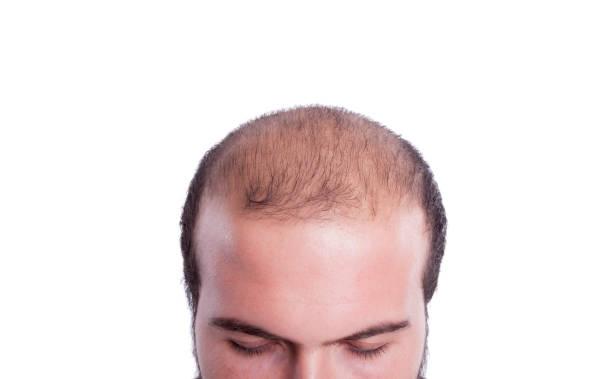
Hair texture, thickness, density, and scalp condition vary from person to person, making it important to choose hair restoration treatments according to individual needs. Whether someone has straight, wavy, curly, or coily hair, concerns such as excessive shedding, thinning, and reduced hair volume can affect confidence and appearance. Platelet-rich plasma therapy has become a popular nonsurgical option for people looking to support healthier hair growth. PRP Hair Treatment in Riyadh uses concentrated platelets from the patient's own blood to support existing hair follicles and improve the scalp environment. However, understanding how this treatment works across different hair types can help individuals make informed decisions.
One important aspect of PRP therapy is that it focuses on the condition of hair follicles rather than the natural texture of hair strands. PRP Hair Treatment in Riyadh may be suitable for individuals with different hair textures, including straight, curly, wavy, and coily hair, provided they have an appropriate hair loss condition and functioning follicles. The treatment involves preparing platelet-rich plasma and administering it into selected scalp areas to support follicle activity. Although hair type does not automatically determine suitability, scalp health, the cause of hair loss, and individual medical history play important roles in treatment planning.
What Is PRP Hair Treatment?
Platelet-rich plasma (PRP) therapy is a nonsurgical hair restoration procedure that uses a concentrated portion of the patient's own blood. Platelets contain growth factors that participate in natural healing and tissue repair processes.
During the procedure, a small blood sample is collected and processed using a centrifuge to separate platelet-rich plasma. The prepared plasma is then injected into selected areas of the scalp. The treatment aims to support existing hair follicles, improve hair thickness, and potentially enhance overall hair density in suitable individuals.
Is PRP Hair Treatment Suitable for Different Hair Types?
Yes, PRP therapy may be considered for people with different natural hair textures. Since the treatment is administered directly into the scalp, its potential benefits are related more to follicle health and the underlying hair loss condition than to whether hair is straight, curly, or wavy.
PRP for Straight Hair
People with straight hair may experience thinning that becomes noticeable around the hairline, crown, or parting. PRP may help support existing follicles and improve hair thickness in suitable individuals.
PRP for Curly Hair
Curly hair can sometimes make changes in density less noticeable because of its natural volume and shape. However, individuals with curly hair can also experience hereditary thinning or excessive shedding. PRP may be considered when the follicles remain active and the underlying condition is appropriate for treatment.
PRP for Wavy Hair
Wavy hair can experience changes in volume and density due to hormonal fluctuations, stress, and genetic factors. PRP therapy may help support follicle activity and improve the appearance of thinning hair in selected patients.
PRP for Coily and Textured Hair
Coily and tightly textured hair requires specific scalp and hair care practices. Individuals with these hair types may also experience thinning associated with traction, breakage, or certain scalp conditions. PRP may be an option when the concern involves suitable follicle-related hair loss, but a proper scalp assessment is essential before treatment.
Does Hair Texture Affect PRP Treatment Results?
Natural hair texture does not automatically determine how well someone responds to PRP therapy. The treatment primarily targets the scalp and existing hair follicles rather than changing the structure of individual hair strands.
Important Factors That Influence Results
-
Follicle health: Existing, functioning follicles are important for potential improvements.
-
Cause of hair loss: Hereditary thinning and other suitable conditions may respond differently from temporary shedding or inflammatory scalp disorders.
-
Hair density: The extent of thinning can influence treatment planning and expected outcomes.
-
Overall health: Medical conditions, nutritional deficiencies, and hormonal changes may affect hair growth.
-
Treatment consistency: Following the recommended treatment schedule may help support the overall treatment plan.
Individual results can vary, and PRP does not guarantee hair regrowth or work equally well for every patient.
How Does PRP Hair Treatment Work for Different Hair Types?
The basic PRP preparation and administration process is generally similar regardless of natural hair texture. However, the practitioner may adapt the scalp assessment and injection approach according to hair density, scalp accessibility, and the areas requiring treatment.
Understanding the Treatment Procedure
Blood Collection: A small blood sample is collected from the patient's arm using sterile equipment.
Centrifugation: The blood is processed in a specialized machine to separate its components and concentrate the platelets.
PRP Preparation: The platelet-rich portion is collected using an appropriate clinical protocol.
Scalp Preparation: The treatment area is cleaned, and suitable comfort measures may be used.
PRP Injections: The prepared plasma is injected into selected scalp areas experiencing thinning.
This procedure is generally performed in a clinical setting and does not usually require extensive downtime.
Who Is an Ideal Candidate for PRP Hair Treatment?
PRP therapy may be suitable for individuals experiencing early-stage hereditary hair thinning or certain types of reduced hair density. People with active hair follicles and realistic treatment expectations may be considered potential candidates.
Individuals Who May Benefit
-
People experiencing gradual hair thinning.
-
Individuals noticing reduced hair volume or increased shedding.
-
Patients with suitable follicles who want a nonsurgical restoration approach.
-
Individuals seeking support for existing hair growth.
People with sudden hair loss, active scalp infections, certain blood disorders, or underlying medical conditions may require additional evaluation before treatment. A qualified practitioner should assess the scalp and medical history to determine suitability.
What Should You Expect After PRP Hair Treatment?
Following treatment, some individuals may experience temporary redness, tenderness, mild swelling, or sensitivity around the injection sites. These effects generally improve within a short period.
Patients should follow professional aftercare instructions, avoid unnecessary scalp irritation, and attend recommended follow-up appointments. Hair improvements develop gradually, and multiple sessions may be recommended depending on individual needs and treatment response.
How Can You Maintain Healthy Hair After PRP Treatment?
Maintaining a healthy scalp and following suitable hair care practices can complement a professional hair restoration plan.
Helpful Hair Care Recommendations
-
Choose suitable hair products: Use products appropriate for your natural texture and scalp condition.
-
Avoid excessive heat: Limit frequent heat styling and harsh chemical treatments.
-
Maintain balanced nutrition: Consume sufficient protein, vitamins, and minerals to support normal hair health.
-
Protect your scalp: Avoid hairstyles that create excessive tension around the hairline.
-
Follow medical advice: Address underlying conditions that may contribute to hair thinning.
These habits can support overall hair health, although they cannot replace medical treatment when an underlying condition is present.
Book Your Appointment at Royal Clinic Saudia
If you are experiencing hair thinning or reduced density, understanding your scalp condition is an important step toward choosing the right treatment. Royal Clinic Saudia offers consultations to evaluate individual hair concerns and discuss suitable hair restoration options. Book your appointment to discover whether PRP therapy is appropriate for your hair type and restoration goals.
FAQs:
Can PRP hair treatment be used for curly and straight hair?
Yes, PRP may be suitable for people with curly, straight, wavy, and coily hair. Treatment suitability depends more on follicle health and the underlying cause of hair loss than on hair texture.
Does PRP change your natural hair texture?
No, PRP is not designed to change natural hair texture. Its purpose is to support existing hair follicles and potentially improve hair thickness and density.
Is PRP suitable for people with thick or coarse hair?
People with naturally thick or coarse hair may also be considered for PRP if they experience suitable hair thinning or follicle-related concerns. A professional assessment is necessary.
Does PRP work equally well for every hair type?
Results can vary between individuals. Hair follicle condition, the cause of hair loss, overall health, and treatment response are more important factors than natural hair texture.

 English
 Arabic
 French
 Spanish
 Portuguese
 Deutsch
 Turkish
 Dutch
 Italiano
 Romaian
 Portuguese (Brazil)
 Greek
