
Electronic Harassment Investigator: Understanding the Role, Methods, and Importance
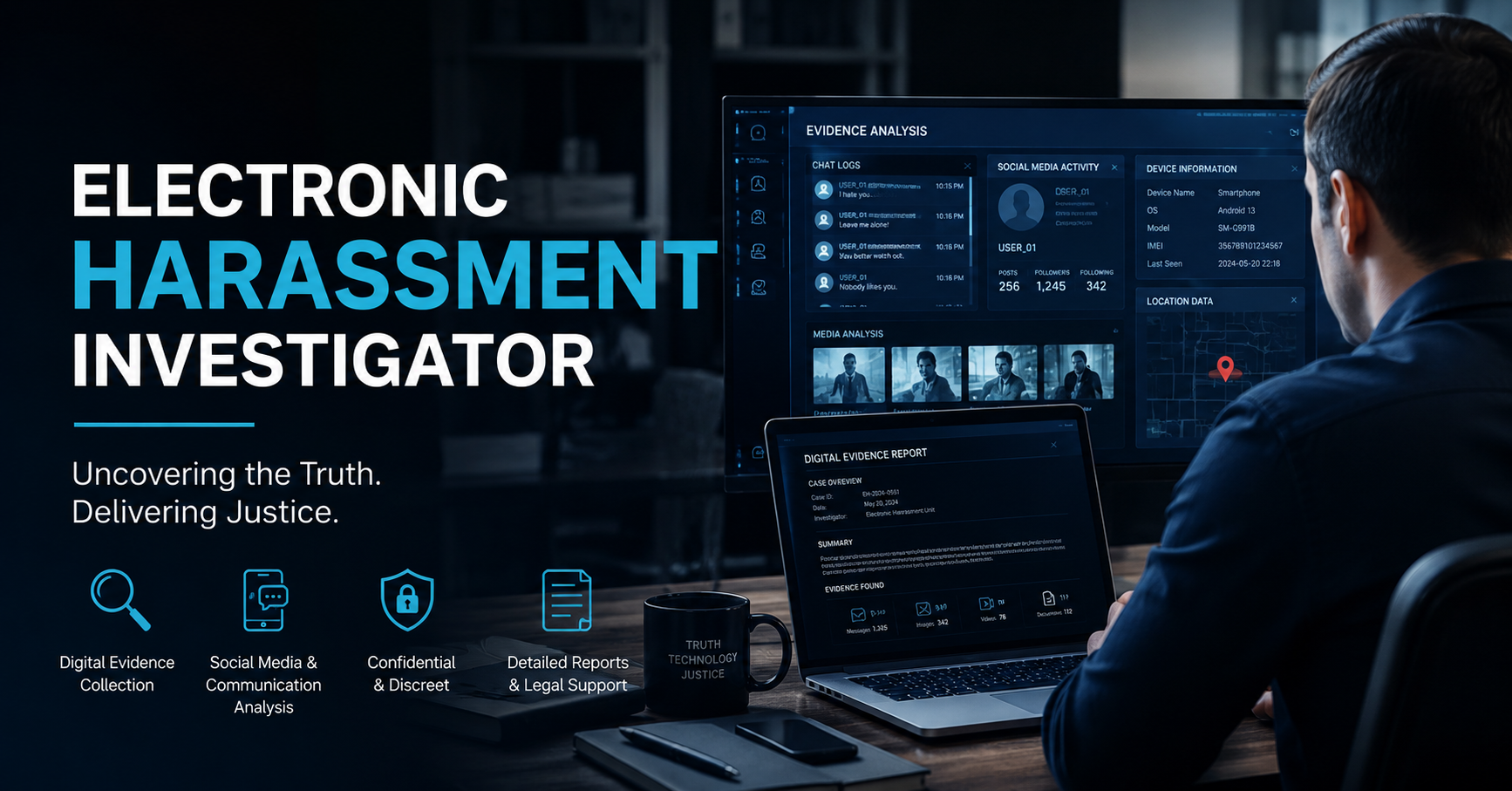
As technology becomes a bigger part of everyday life, concerns about privacy, digital security, and unwanted electronic interference continue to grow. Many people report experiencing suspicious digital activities, unexplained device behavior, or repeated cyber-related incidents that affect their personal or professional lives. In these situations, an electronic harassment investigator can help examine available evidence, identify potential causes, and distinguish between technical issues and genuine security threats through a structured investigative process.
This article explains what electronic harassment investigations involve, the techniques professionals use, common warning signs, and why working with an experienced investigator can provide clarity and peace of mind.
What Is Electronic Harassment?
Electronic harassment refers to the repeated use of electronic devices, communication systems, or digital technologies to intimidate, monitor, disrupt, or harass an individual. The term is used in different ways, and not every reported incident is caused by malicious activity. In many cases, technical malfunctions, cybersecurity vulnerabilities, or misunderstandings may explain unusual device behavior.
Because of this complexity, objective evidence and professional analysis are essential before drawing conclusions.
Who Is an Electronic Harassment Investigator?
An electronic harassment investigator is a professional who examines digital evidence, electronic devices, communication records, and environmental factors to determine whether suspicious activities have a technical explanation or indicate unauthorized interference.
Their work combines knowledge from multiple fields, including:
- Digital forensics
- Cybersecurity
- Network analysis
- Electronic surveillance detection
- Evidence documentation
- Technical troubleshooting
Rather than relying on assumptions, investigators focus on collecting verifiable facts that can support accurate findings.
Why Professional Investigations Matter
Many electronic incidents appear alarming at first glance. A smartphone battery draining quickly, unusual network traffic, unexpected pop-ups, or strange device behavior may have several possible explanations.
Professional investigations help by:
- Separating facts from assumptions
- Identifying legitimate cybersecurity risks
- Detecting unauthorized access attempts
- Reviewing electronic evidence objectively
- Providing documented findings
- Recommending practical security improvements
This evidence-based approach helps individuals make informed decisions rather than relying on speculation.
Common Situations That Lead People to Seek Help
People may consider consulting an investigator when they experience recurring technical issues that cannot be explained through normal troubleshooting.
Some commonly reported concerns include:
Unexpected Device Activity
Examples include:
- Phones activating without user input
- Applications opening automatically
- Cameras or microphones appearing active
- Devices restarting unexpectedly
While these symptoms may result from software bugs, they can also warrant further examination if they occur consistently.
Suspicious Network Behavior
Network-related concerns may involve:
- Unknown devices connected to Wi-Fi
- Unusual internet usage
- Frequent connection interruptions
- Unauthorized login notifications
A professional review can determine whether these events are caused by security vulnerabilities or routine network behavior.
Repeated Digital Intrusions
Individuals sometimes report:
- Email accounts being accessed without permission
- Passwords changing unexpectedly
- Social media account compromises
- Unauthorized cloud storage access
These incidents often require forensic analysis to determine how access occurred.
Workplace Electronic Concerns
Businesses occasionally experience:
- Unauthorized monitoring
- Data theft
- Internal security breaches
- Suspicious device installations
Proper investigations help organizations protect sensitive information while maintaining compliance with security standards.
How an Investigation Is Typically Conducted
Every case differs, but most investigations follow a structured methodology designed to preserve evidence and minimize errors.
Initial Consultation
The investigation usually begins with gathering background information, including:
- Timeline of events
- Devices involved
- Previous incidents
- Existing documentation
- Technical observations
Understanding the complete picture allows investigators to plan appropriate examination methods.
Evidence Collection
Evidence may include:
- System logs
- Email records
- Network traffic
- Device configurations
- Security alerts
- Backup files
- Access logs
Maintaining evidence integrity is critical, particularly if legal proceedings may become necessary.
Device Examination
Investigators inspect computers, smartphones, tablets, routers, and other connected devices for signs of:
- Malware
- Spyware
- Unauthorized software
- Configuration changes
- Hidden applications
- Suspicious processes
Specialized forensic tools help identify abnormalities without altering important evidence.
Network Analysis
Network investigations often involve examining:
- Router settings
- Wireless security
- Connected devices
- Traffic patterns
- Firewall logs
- IP activity
This helps determine whether unauthorized access has occurred.
Documentation and Reporting
A professional investigation concludes with detailed documentation describing:
- Findings
- Evidence collected
- Technical observations
- Security weaknesses
- Recommendations
- Possible next steps
Clear documentation provides valuable reference for future security improvements or legal consultation if required.
Essential Skills Investigators Need
Successful professionals combine technical expertise with analytical thinking.
Important skills include:
Cybersecurity Knowledge
Understanding modern cyber threats allows investigators to recognize malware, phishing attempts, credential theft, and unauthorized access techniques.
Digital Forensics
Forensic methodologies ensure evidence remains reliable and properly documented throughout the investigation.
Networking Expertise
Knowledge of routers, wireless networks, VPNs, DNS systems, and internet protocols helps identify abnormal network activity.
Critical Thinking
Electronic incidents often have multiple possible explanations. Strong analytical skills allow investigators to evaluate evidence objectively.
Communication Skills
Investigators must explain technical findings in language clients can understand while maintaining accuracy.
Tools Commonly Used During Investigations
Professional investigators often rely on specialized software and equipment, including:
- Digital forensic platforms
- Network monitoring tools
- Packet analyzers
- Malware scanners
- Log analysis software
- RF detection equipment
- Device imaging tools
- Security auditing utilities
The appropriate tools depend on the circumstances of each investigation.
Tips for Protecting Yourself Against Digital Threats
Whether or not an investigation becomes necessary, adopting good cybersecurity habits significantly reduces risk.
Consider these best practices:
Use Strong Passwords
Create unique passwords for every account and avoid reusing credentials.
Enable Multi-Factor Authentication
Adding an extra verification step improves account security.
Keep Software Updated
Security patches help eliminate known vulnerabilities.
Monitor Account Activity
Review login histories and security alerts regularly.
Secure Your Wi-Fi Network
Use modern encryption and change default router passwords.
Be Cautious with Links
Avoid opening suspicious emails, attachments, or unknown websites.
Backup Important Data
Regular backups protect valuable information from accidental loss or cyber incidents.
When Should You Consider a Professional Investigation?
Seeking expert assistance may be appropriate when:
- Suspicious incidents continue despite troubleshooting
- Multiple accounts become compromised
- Sensitive business information may be at risk
- Digital evidence needs professional preservation
- Security concerns affect daily life or business operations
Early investigation often prevents minor security issues from becoming more serious problems.
Choosing the Right Investigator
Selecting a qualified professional requires careful evaluation.
Consider factors such as:
- Relevant experience
- Technical certifications
- Digital forensics background
- Cybersecurity expertise
- Professional reputation
- Transparent investigation methods
- Clear reporting practices
An investigator should focus on evidence-based analysis rather than making unsupported claims.
The Future of Electronic Investigations
Technology continues to evolve rapidly, bringing both opportunities and new security challenges. Artificial intelligence, cloud computing, smart devices, and interconnected systems create increasingly complex digital environments.
As cyber threats become more sophisticated, investigators continue adopting advanced forensic techniques, automated analysis tools, and stronger cybersecurity practices to improve investigative accuracy.
The growing importance of digital evidence means professional investigations will likely play an even greater role in protecting individuals, organizations, and critical information.
Final Thoughts
Technology has transformed modern life, but it has also introduced new forms of digital risk that require informed responses. An electronic harassment investigator provides a structured, evidence-based approach to examining suspicious electronic activity, helping distinguish genuine security concerns from routine technical issues. By combining digital forensics, cybersecurity expertise, and careful documentation, these professionals support individuals and organizations in understanding what has occurred and how to strengthen their digital security.
Whether addressing unusual device behavior, potential unauthorized access, or recurring cyber concerns, focusing on objective evidence remains the most reliable path toward accurate conclusions. Staying informed, practicing strong cybersecurity habits, and seeking qualified assistance when necessary can help protect both personal privacy and digital assets in an increasingly connected world.

 English
 Arabic
 French
 Spanish
 Portuguese
 Deutsch
 Turkish
 Dutch
Dutch
 Italiano
 Russian
 Romaian
 Greek
Greek
