
How Does Buccal Fat Removal Change Facial Appearance?
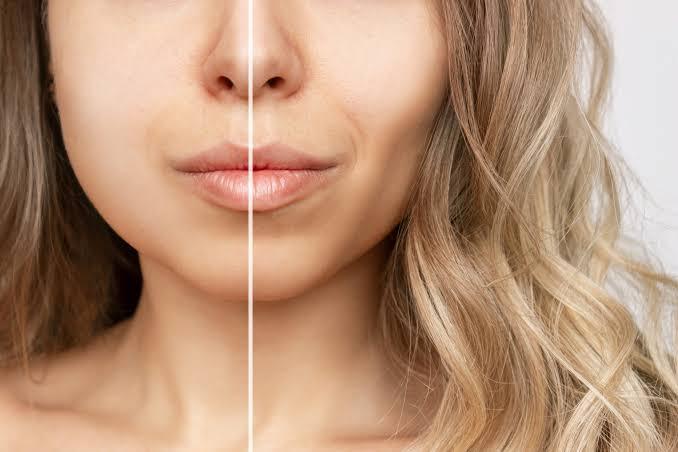
Facial appearance is influenced by several factors, including bone structure, skin elasticity, fat distribution, and natural facial proportions. Some people have naturally fuller cheeks that create a rounder facial appearance, even when the rest of their body is relatively slim. For individuals who prefer more defined facial contours, Buccal Fat Removal in Dubai is a cosmetic procedure that can help reduce fullness in the lower cheeks and create a more sculpted appearance. By addressing the fat pads located deep within the cheeks, this treatment can enhance the visibility of the cheekbones and jawline. Understanding how the procedure changes facial features, what results to expect, and who may benefit from it can help individuals make informed decisions about their aesthetic goals.
Understanding Buccal Fat and Its Role in Facial Appearance
Buccal fat is a naturally occurring pocket of fat located deep within the lower cheeks. It sits between facial muscles and contributes to the fullness and softness of the mid-to-lower facial region. Everyone has buccal fat, but its size and distribution vary from person to person.
In some individuals, prominent buccal fat creates a fuller or rounder facial appearance. This can remain noticeable even when someone maintains a healthy weight. Genetics, facial anatomy, and natural fat distribution all influence how prominent these fat pads appear.
Although cheek fullness is a normal facial characteristic, some individuals prefer a more angular appearance. Understanding the function and location of buccal fat helps explain how reducing it can influence overall facial contours.
How Does Buccal Fat Removal Change Facial Appearance?
The primary purpose of the procedure is to reduce excess fullness in the lower cheek area. Removing a carefully selected amount of buccal fat can change how light and shadows fall across the face, making certain facial features appear more prominent.
Creates a More Sculpted Cheek Appearance
One of the most noticeable changes is a reduction in lower cheek fullness. When the buccal fat pads are reduced, the area beneath the cheekbones may appear less rounded.
This can create a subtle hollowing effect that gives the face a more sculpted appearance. Rather than changing the actual cheekbone structure, the procedure changes the surrounding soft-tissue volume, allowing existing facial contours to become more noticeable.
Enhances Natural Cheekbone Definition
Prominent buccal fat can sometimes make the cheekbones appear less defined by adding fullness to the surrounding area. Reducing this volume may create a clearer distinction between the cheekbones and lower cheeks.
As a result, the upper cheek area can appear more prominent, particularly when viewed from different angles. The extent of this change depends on the individual's natural bone structure and fat distribution.
Creates a More Defined Jawline Appearance
Although the procedure does not directly remove fat from the jawline, reducing lower cheek fullness can influence the appearance of the transition between the cheeks and jaw.
For some individuals, this creates a more noticeable facial outline and a slightly sharper-looking lower face. However, the procedure is not a direct treatment for a weak jawline, excess neck fat, or loose skin.
Reduces the Appearance of a Round Face
People with naturally round facial features may have fuller cheeks that contribute to an overall circular appearance. Reducing buccal fat can make the lower cheeks look less prominent.
This may create a more elongated or angular facial impression without changing the underlying facial bones. However, results vary according to individual anatomy, and not every round face is caused by prominent buccal fat.
What Happens During the Buccal Fat Removal Procedure?
The procedure generally involves making small incisions inside the mouth to access the buccal fat pads. Because the incisions are located internally, there are no visible external surgical scars.
Initial Facial Assessment
Before the procedure, an assessment helps determine whether cheek fullness is primarily associated with buccal fat or other anatomical factors. Facial proportions, skin quality, existing volume, and aesthetic expectations are considered.
This step is particularly important because removing too much fat can create an unnecessarily hollow appearance.
Accessing the Buccal Fat Pads
The procedure typically involves local anaesthesia, although the anaesthesia approach may vary depending on the treatment plan. A small incision is made inside the cheek to reach the buccal fat compartment.
The fat pad is then carefully exposed, and an appropriate amount is removed. The incision is subsequently closed with sutures.
Maintaining Facial Balance
A balanced approach is essential when reducing cheek volume. The objective is not to create extremely hollow cheeks but to achieve a natural-looking improvement that complements the individual's existing facial structure.
Careful consideration of facial proportions helps avoid an exaggerated or uneven result.
Who May Benefit from Buccal Fat Removal?
Not everyone with full cheeks is an ideal candidate for this procedure. Suitability depends on facial anatomy, overall health, age, and long-term aesthetic expectations.
Individuals with Naturally Full Cheeks
People who have persistent fullness in the lower cheeks despite maintaining a stable weight may consider this procedure. It can be particularly relevant when prominent buccal fat contributes to a rounded facial appearance.
Individuals Seeking More Defined Facial Contours
Those who prefer a more angular appearance may explore cheek fat reduction as part of their facial aesthetic goals. The procedure may help emphasize existing cheekbone definition.
Individuals with Good Skin Elasticity
Skin elasticity plays an important role in how the face looks after volume reduction. Individuals with good skin quality may be better positioned to achieve a smooth and balanced appearance following the procedure.
A professional assessment is necessary to determine whether removing cheek volume is appropriate.
What Results Can Be Expected After Buccal Fat Removal?
Results develop gradually rather than becoming fully visible immediately after the procedure. Initial swelling can temporarily make the cheeks appear fuller, which means the early appearance may not reflect the final outcome.
Initial Recovery and Swelling
Swelling, mild bruising, and tenderness are common during the early recovery period. Since the incisions are inside the mouth, maintaining appropriate oral hygiene and following dietary instructions are important.
The recovery experience differs between individuals, and the recommended healing routine should be followed carefully.
Gradual Facial Definition
As swelling decreases, the reduction in cheek fullness becomes easier to notice. Facial contours gradually settle, allowing the overall appearance to become more refined.
Final results may take several months to become apparent as the tissues heal and adapt to the changes.
Long-Term Appearance
Because the removed buccal fat does not naturally regenerate in the same way, the reduction in volume is generally long-lasting. However, natural ageing, changes in body weight, and other facial changes can influence appearance over time.
Maintaining realistic expectations is important when considering any permanent facial contouring procedure.
Important Factors to Consider Before the Procedure
Although reducing cheek volume can enhance facial definition, removing too much fat may produce an overly hollow or aged appearance, particularly as natural facial volume decreases with ageing.
Avoiding Excessive Facial Hollowing
Facial fat contributes to youthful volume and natural contours. Excessive removal may make the cheeks appear sunken, creating an imbalance between different facial features.
A conservative approach is often important for maintaining natural proportions.
Understanding Natural Facial Asymmetry
Most people have some degree of facial asymmetry. Differences in cheek volume, muscle structure, and bone positioning can influence the final appearance.
An individual assessment helps establish realistic expectations and determine an appropriate treatment approach.
Considering Long-Term Facial Changes
Facial volume naturally changes with age. Someone who has fuller cheeks in their twenties may experience a noticeable reduction in facial fullness later in life.
For this reason, long-term considerations should be part of the decision-making process rather than focusing exclusively on immediate aesthetic improvements.
Is Buccal Fat Removal the Right Choice for a More Defined Face?
Choosing a facial contouring procedure requires an understanding of the underlying cause of cheek fullness. While prominent buccal fat can contribute to a round appearance, other factors, including facial bone structure, masseter muscle size, skin laxity, and overall fat distribution, may create similar concerns.
A professional consultation can help distinguish between these factors and establish whether the procedure is appropriate. Individuals should also understand the potential risks, including infection, bleeding, asymmetry, prolonged swelling, and injury to nearby structures such as facial nerves or salivary ducts.
The most successful aesthetic approach prioritizes facial harmony rather than simply reducing volume. A natural-looking result should complement the cheekbones, jawline, and overall facial proportions while preserving an appropriate amount of youthful fullness.
Book Us
Achieving balanced facial contours begins with choosing an appropriate treatment approach and receiving a personalized assessment. Enfield Royal Clinic Dubai provides an opportunity for individuals interested in facial aesthetic enhancement to explore suitable options based on their unique features and desired outcomes. Whether the goal is to reduce lower cheek fullness or create a more sculpted facial appearance, understanding the benefits and considerations of Buccal Fat Removal can help individuals take an informed step towards their aesthetic goals.

 English
 Arabic
 Spanish
 Portuguese
 Deutsch
 Turkish
 Dutch
 Italiano
 Russian
 Romaian
 Portuguese (Brazil)
 Greek
