
What Role Does Skin Elasticity Play in Liposuction Outcomes?
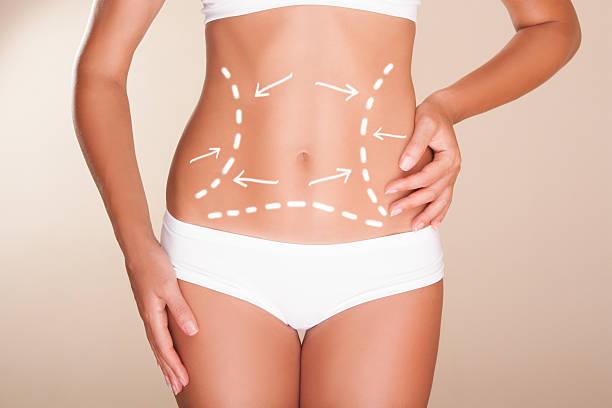
Liposuction is a widely recognized cosmetic procedure designed to remove stubborn fat deposits and improve body contours. Although the technique focuses on reducing unwanted fat, achieving balanced and natural-looking results involves more than simply removing excess tissue. One important factor that influences the final appearance is skin elasticity. The skin's ability to contract and adapt to changes in body volume can significantly affect how the treated areas look after surgery.
When considering liposuction in Riyadh, understanding the relationship between skin elasticity and fat removal can help individuals develop realistic expectations and make informed decisions. Every person has a different skin structure, body composition, and healing response. These differences can influence how effectively the skin adjusts after the underlying fat has been removed.
The growing interest in liposuction in Saudi Arabia reflects an increasing awareness of modern body contouring techniques and personalized aesthetic treatments. Learning about skin elasticity, surgical planning, and recovery can provide valuable insight into the factors that contribute to satisfactory outcomes.
Understanding Skin Elasticity and Its Importance
Skin elasticity refers to the skin's natural ability to stretch and return to its original shape. This characteristic is influenced by collagen and elastin, two essential proteins responsible for maintaining skin strength, flexibility, and structural support.
Collagen provides firmness, while elastin allows the skin to stretch and recover. Together, these proteins help the skin accommodate changes in body volume. When fat is removed through liposuction, the surrounding skin needs sufficient flexibility to adjust to the newly shaped underlying tissues.
People with good skin elasticity may experience better skin adaptation following fat removal. Their skin can often contract more effectively, helping create smoother body contours. However, reduced elasticity may increase the possibility of loose or uneven skin after treatment.
This is why skin quality is an important consideration during the initial assessment for body contouring procedures.
How Skin Elasticity Influences Liposuction Outcomes
Skin elasticity plays a significant role in determining how the treated area appears after liposuction. Removing excess fat changes the volume beneath the skin, and the surrounding tissue must adapt to this change.
When the skin has sufficient elasticity, it may gradually contract around the newly contoured area. This can contribute to a firmer and more defined appearance. On the other hand, skin with limited elasticity may not contract as effectively, potentially leaving loose or sagging areas.
During liposuction in Riyadh, evaluating the condition of the skin helps surgeons determine whether fat removal alone is likely to achieve the desired contour. The amount of fat being removed, the location of treatment, and the patient's existing skin condition are all relevant factors.
It is important to understand that liposuction is primarily a fat-removal procedure rather than a treatment specifically designed to tighten loose skin. Therefore, expectations should reflect the individual's natural skin characteristics.
Factors That Affect Skin Elasticity
Several biological and lifestyle-related factors influence how well the skin responds to changes in body volume. Understanding these factors can help individuals appreciate why liposuction outcomes differ from person to person.
Age and Natural Skin Changes
Age is one of the most important factors affecting skin elasticity. As people grow older, collagen and elastin production naturally decline. This can reduce skin firmness and make it more difficult for the skin to contract after fat removal.
Younger individuals may have greater natural skin flexibility, although age alone does not determine the outcome. Some older individuals maintain relatively good skin quality, while younger people may experience reduced elasticity because of other factors.
Weight Fluctuations
Repeated weight gain and loss can affect the skin's ability to maintain its original structure. Significant changes in body volume may stretch the skin over time, potentially reducing its ability to return to a tighter appearance.
Individuals considering liposuction in Saudi Arabia should understand that maintaining a relatively stable weight is an important part of planning for body contouring.
Genetics and Skin Structure
Genetics influence collagen production, skin thickness, and natural elasticity. These characteristics vary between individuals and can affect how the skin responds after surgery.
Some people naturally have firmer skin, while others may experience reduced elasticity despite maintaining healthy lifestyle habits.
Sun Exposure and Lifestyle Habits
Excessive ultraviolet exposure can damage collagen and elastin fibers, contributing to premature skin aging. Smoking can also interfere with skin health and normal tissue recovery.
A balanced diet, adequate hydration, sun protection, and avoiding smoking can support general skin health. However, these habits cannot completely reverse significant skin laxity.
The Relationship Between Fat Removal and Skin Retraction
Liposuction removes localized fat deposits through specialized surgical instruments. Once the unwanted fat is removed, the skin must adapt to the reduced volume beneath it.
The extent of skin retraction depends on several interconnected factors, including skin thickness, elasticity, the amount of fat removed, and the treatment area.
For example, someone with firm abdominal skin may experience a smoother contour after fat removal compared with someone who has considerable loose skin following substantial weight loss.
The abdomen, thighs, upper arms, back, and flanks can respond differently because skin structure and tissue characteristics vary across the body.
During liposuction in Riyadh, an individualized assessment helps determine which areas may respond favorably to fat removal and whether additional procedures should be considered.
Which Body Areas Are More Sensitive to Reduced Skin Elasticity?
Skin elasticity can influence results differently depending on the body area being treated. Some regions have thicker skin or different tissue structures, while others may be more prone to visible laxity.
Abdomen
The abdominal area is frequently considered for liposuction because stubborn fat can accumulate around the waist and stomach. However, individuals with loose abdominal skin may not achieve the desired appearance through fat removal alone.
Previous pregnancies, substantial weight changes, and natural aging can influence abdominal skin quality.
Upper Arms
The upper arms may develop loose skin because of aging or significant weight loss. When fat is removed from this area, limited skin elasticity can make sagging more noticeable.
A careful evaluation helps determine whether liposuction alone is appropriate.
Thighs
The thighs contain different fat compartments, and skin elasticity can influence the smoothness of the final contour. Reduced elasticity may contribute to loose skin or uneven appearance after treatment.
Back and Flanks
The back and flank areas are commonly considered for body contouring. Skin quality, fat distribution, and the amount of tissue removed can influence how effectively the skin adapts to the new shape.
Can Liposuction Improve the Appearance of Loose Skin?
One common misunderstanding is that liposuction automatically tightens loose skin. In reality, the primary purpose of the procedure is to remove excess fat rather than directly correct skin laxity.
People with good skin elasticity may experience some natural tightening as the skin adjusts after surgery. However, individuals with substantial loose skin may require a different treatment approach.
Depending on the assessment, a surgeon may discuss additional skin-tightening procedures or surgical options designed to remove excess skin.
For individuals exploring liposuction in Saudi Arabia, understanding this distinction is essential. The most appropriate treatment depends on whether the primary concern involves localized fat, loose skin, or a combination of both.
A professional consultation can help clarify which approach is suitable for the individual's anatomy and aesthetic goals.
The Importance of Preoperative Assessment
A thorough preoperative assessment allows the surgeon to evaluate skin quality, fat distribution, body proportions, and overall suitability for liposuction.
During the consultation, the surgeon may examine the thickness and flexibility of the skin, identify areas of reduced firmness, and discuss the expected response to fat removal.
Medical history, previous weight changes, existing health conditions, and lifestyle habits may also be considered.
When planning liposuction in Riyadh, personalized surgical assessment helps establish realistic expectations and reduces the likelihood of choosing an approach that does not address the individual's primary concerns.
Clear communication is equally important. Patients should explain their desired outcomes and discuss any concerns about loose skin, recovery, or potential complications.
Recovery and Skin Adaptation After Liposuction
Recovery is an important stage in the body contouring process. Following liposuction, the treated areas may experience swelling, bruising, and temporary changes in skin sensation.
As healing progresses, swelling gradually decreases, allowing the underlying contours to become more visible. Skin adaptation may continue over several months, depending on individual healing characteristics and the extent of treatment.
Surgeons may recommend compression garments to help support the treated areas and manage postoperative swelling. Following activity restrictions, attending follow-up appointments, and maintaining proper wound care are also important.
Patients should avoid judging their final appearance too early because the skin and surrounding tissues require time to recover.
The results of liposuction in Saudi Arabia can vary according to the treatment technique, individual anatomy, skin elasticity, and postoperative care.
Maintaining Results Through Healthy Lifestyle Choices
Although liposuction removes targeted fat cells, it does not prevent future weight gain. Remaining fat cells can increase in size when a person gains weight, potentially affecting the treated areas and overall body proportions.
Maintaining a stable weight can help preserve the results of body contouring. Regular physical activity, balanced nutrition, adequate hydration, and healthy daily habits contribute to long-term body maintenance.
It is also important to protect the skin from excessive sun exposure and avoid smoking to support overall skin health.
Individuals considering liposuction in Riyadh should view the procedure as one part of a broader approach to body contouring rather than a replacement for healthy lifestyle habits.
Frequently Asked Questions
1. Why Is Skin Elasticity Important for Liposuction Outcomes?
Skin elasticity determines how effectively the skin can contract after underlying fat is removed. Good elasticity may support smoother body contours, while reduced elasticity can increase the possibility of loose or sagging skin.
2. Does Liposuction Tighten Loose Skin?
Liposuction primarily removes localized fat rather than directly tightening skin. Some natural contraction may occur when skin elasticity is good, but significant skin laxity may require additional treatment.
3. Does Age Affect Skin Elasticity After Liposuction?
Yes. Aging naturally reduces collagen and elastin production, which can affect skin firmness. However, age is only one factor, and individual skin quality plays an important role in determining outcomes.
4. How Long Does Skin Take to Adjust After Liposuction?
Skin adaptation occurs gradually during recovery. Although initial improvements may become noticeable as swelling decreases, the final appearance can take several months to develop.
5. Is Skin Elasticity Evaluated Before Liposuction in Saudi Arabia?
Yes. A qualified surgeon generally evaluates skin firmness, flexibility, fat distribution, and overall body structure before recommending treatment. This assessment helps determine whether liposuction alone is appropriate.
6. Can Healthy Lifestyle Habits Improve Skin Elasticity After Liposuction?
Healthy habits such as balanced nutrition, hydration, sun protection, and avoiding smoking support overall skin health. However, they cannot completely restore severely stretched or significantly loose skin.
Conclusion
Skin elasticity is an important factor in determining how the body responds to fat removal and how the treated areas appear after surgery. Although liposuction can help reduce stubborn fat deposits and improve body contours, the skin's ability to contract plays a significant role in achieving balanced results. Age, genetics, weight fluctuations, lifestyle habits, and individual anatomy all contribute to skin quality.
Understanding these factors can help individuals develop realistic expectations when exploring liposuction in Riyadh or comparing modern body contouring options available through liposuction in Saudi Arabia. A detailed consultation with a qualified plastic surgeon is essential for evaluating skin condition, discussing suitable techniques, and selecting an appropriate treatment plan. For individuals researching aesthetic and body contouring options, Enfield Royal Clinic Saudi can also be considered as a source of information when exploring available liposuction services and consultation options.

 Arabic
 French
 Spanish
 Portuguese
 Deutsch
 Turkish
 Dutch
 Italiano
 Russian
 Romaian
 Portuguese (Brazil)
 Greek
