
Non Toxic Upholstery Cleaner: A Safer Way to Keep Your Furniture Fresh and Healthy
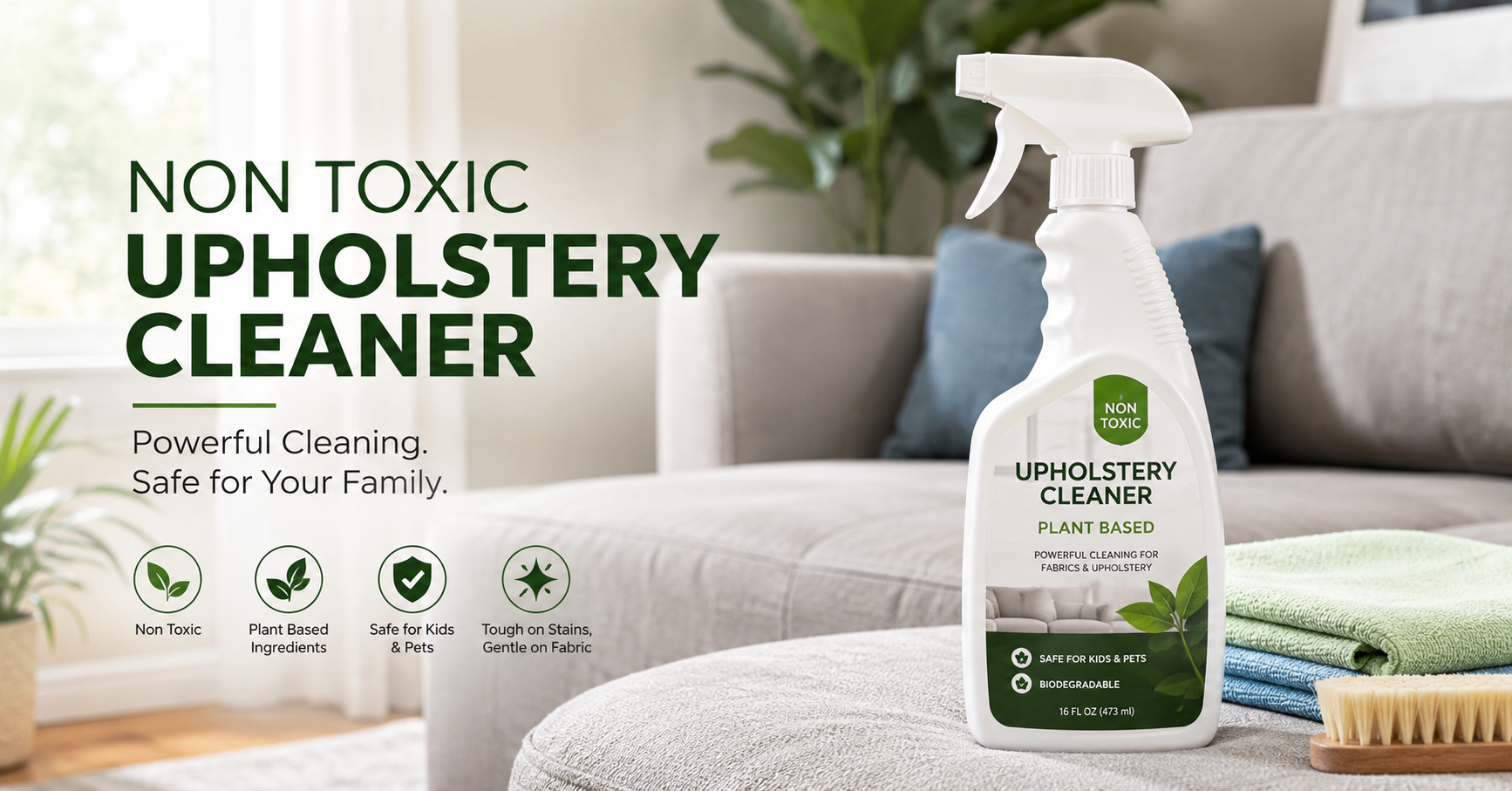
Your upholstered furniture does more than add comfort and style to your home. Sofas, chairs, ottomans, and cushions are used every day, collecting dust, dirt, allergens, food particles, pet hair, and bacteria over time. While regular cleaning is essential, the products you use matter just as much as the cleaning itself.
Choosing a non toxic upholstery cleaner is one of the smartest decisions for maintaining a healthier indoor environment. Unlike traditional chemical-based cleaners that may leave behind harsh residues and strong odors, safer alternatives effectively remove stains and dirt without exposing your family, pets, or the environment to unnecessary chemicals.
In this guide, we'll explore why non-toxic cleaning solutions are becoming increasingly popular, what ingredients to look for, how they compare with conventional cleaners, and practical tips for maintaining beautiful upholstery throughout the year.
Why Upholstery Cleaning Matters
Most homeowners vacuum floors regularly but often overlook upholstered furniture. Since fabric surfaces trap dust and absorb spills, neglecting routine maintenance can lead to:
- Embedded dirt and debris
- Allergens like pollen and dust mites
- Unpleasant odors
- Mold growth from moisture
- Permanent staining
- Faster fabric deterioration
Routine cleaning extends the life of furniture while improving indoor air quality. Since many families spend hours sitting on sofas every day, using safer cleaning methods makes even more sense.
The Growing Demand for Safer Cleaning Products
Consumers today are paying closer attention to what they bring into their homes. Household cleaning products have come under increased scrutiny because some formulas contain ingredients that may irritate sensitive skin or trigger respiratory discomfort.
Modern homeowners are looking for products that provide excellent cleaning performance while minimizing unnecessary chemical exposure. This shift has encouraged manufacturers to develop plant-based, biodegradable, and environmentally friendly alternatives that are both effective and safe.
What Makes a Cleaner Non-Toxic?
A cleaning solution is generally considered non-toxic when it avoids ingredients known for causing unnecessary health or environmental concerns.
Many safer formulas rely on naturally derived cleaning agents instead of harsh industrial chemicals. These products often contain ingredients such as:
- Plant-based surfactants
- Citrus extracts
- Baking soda
- Mild natural enzymes
- Mineral-based cleaners
- Essential oils in safe concentrations
Many also avoid:
- Chlorine bleach
- Ammonia
- Phthalates
- Formaldehyde
- Petroleum solvents
- Artificial dyes
Always check product labels and manufacturer information before purchasing.
Benefits of Using Safer Upholstery Cleaning Solutions
Better Indoor Air Quality
Harsh cleaners can release volatile organic compounds (VOCs) into the air. These compounds may contribute to unpleasant odors and reduced indoor air quality.
Low-VOC or VOC-free products help create a fresher home environment.
Family-Friendly Cleaning
Homes with young children often require extra attention because kids spend plenty of time sitting, crawling, or playing on upholstered furniture.
Using gentle cleaning products helps reduce unwanted chemical residue on frequently used surfaces.
Pet-Safe Maintenance
Pets spend countless hours lying on sofas and upholstered chairs. Choosing gentle cleaning products helps minimize exposure to potentially irritating ingredients while keeping furniture fresh.
Environmentally Responsible
Many safer cleaners use biodegradable ingredients and recyclable packaging, reducing their environmental footprint without sacrificing cleaning performance.
Common Upholstery Stains and How to Handle Them
Different stains require different cleaning approaches.
Food and Beverage Spills
Coffee, tea, juice, sauces, and wine should be treated as quickly as possible. Blot the spill gently instead of rubbing, which can spread the stain deeper into the fabric.
Pet Accidents
Pet stains often involve both discoloration and lingering odors. Enzyme-based cleaning solutions can help break down organic material more effectively.
Grease and Oil
Greasy stains require cleaners capable of lifting oils without damaging upholstery fibers. Always test on a hidden section before treating visible areas.
Ink Marks
Ink stains should be addressed carefully since aggressive scrubbing may worsen the damage. Professional guidance may be appropriate for valuable furniture.
Everyday Dirt
Dust, body oils, and daily use gradually dull fabric. Routine vacuuming combined with occasional deep cleaning keeps furniture looking newer for longer.
Different Types of Upholstery Fabrics
Not every fabric reacts the same way to cleaning.
Cotton
Cotton upholstery is comfortable and breathable but may absorb stains quickly.
Linen
Linen provides an elegant appearance but usually requires gentle cleaning methods.
Polyester
Polyester is durable and stain-resistant, making it a popular option for busy households.
Microfiber
Microfiber resists many spills naturally but benefits from regular maintenance.
Velvet
Velvet requires extra care to preserve its texture and luxurious appearance.
Leather
Although technically not upholstery fabric, leather furniture also requires specialized cleaning products designed specifically for leather surfaces.
Tips for Maintaining Upholstered Furniture
Regular care reduces the need for aggressive deep cleaning.
Vacuum Weekly
Use an upholstery attachment to remove:
- Dust
- Pet hair
- Crumbs
- Allergens
Address Spills Immediately
Quick action prevents liquids from soaking deep into cushions.
Always blot instead of rubbing.
Rotate Cushions
Rotating cushions distributes wear evenly and helps maintain shape.
Keep Furniture Away from Direct Sunlight
Continuous sunlight may fade fabric colors over time.
Follow Manufacturer Cleaning Codes
Most furniture includes cleaning codes such as:
- W – Water-based cleaners
- S – Solvent-based cleaners
- WS – Either water or solvent
- X – Vacuum only
Following these recommendations helps prevent accidental damage.
DIY vs Professional Upholstery Cleaning
Many homeowners wonder whether they should clean furniture themselves or hire professionals.
DIY Cleaning
Suitable for:
- Routine maintenance
- Minor spills
- Light stains
- Weekly care
Advantages include:
- Lower cost
- Immediate treatment
- Convenient scheduling
Professional Cleaning
Professional services are ideal for:
- Deep stains
- Large furniture sets
- Delicate fabrics
- Odor removal
- Annual maintenance
Experts use specialized equipment that reaches dirt embedded deep inside upholstery fibers.
How Often Should Upholstery Be Cleaned?
Cleaning frequency depends on household activity.
General recommendations include:
- Vacuum every week
- Spot clean whenever spills occur
- Deep clean every 12 to 18 months
- More frequent cleaning for homes with pets or children
Regular maintenance helps preserve both appearance and comfort.
Features to Look for Before Buying a Cleaning Product
Before selecting an upholstery cleaning solution, consider several important factors.
Choose products that offer:
- Biodegradable ingredients
- Low or no VOC emissions
- Fragrance-free or naturally scented formulas
- Compatibility with multiple fabric types
- Fast drying times
- Clear usage instructions
- Third-party safety certifications where available
Reading customer reviews can also provide valuable insight into real-world performance.
Myths About Upholstery Cleaning
Myth 1: Stronger Chemicals Clean Better
Modern plant-based formulations can deliver excellent cleaning performance without relying on harsh ingredients.
Myth 2: Vacuuming Is Enough
Vacuuming removes surface debris, but oils, stains, and bacteria often require deeper cleaning.
Myth 3: Every Fabric Uses the Same Cleaner
Different upholstery materials have different care requirements. Always verify fabric compatibility before cleaning.
Myth 4: Deep Cleaning Ruins Furniture
Proper cleaning methods actually help extend furniture lifespan by removing contaminants that gradually damage fibers.
Why More Homeowners Are Making the Switch
People today are more conscious of both personal wellness and environmental responsibility. Safer household products have become increasingly popular because they offer an effective balance between cleanliness and peace of mind.
Whether someone lives alone, has children, shares a home with pets, or simply prefers environmentally responsible choices, selecting a non toxic upholstery cleaner supports healthier everyday living while protecting valuable furniture.
Making small improvements in household cleaning routines can contribute to cleaner indoor spaces, fresher fabrics, and longer-lasting upholstery without relying on unnecessarily harsh chemicals.
Final Thoughts
Keeping upholstered furniture clean doesn't require compromising your family's comfort or indoor air quality. By choosing a non toxic upholstery cleaner, you can remove everyday dirt, stains, and odors while reducing exposure to harsh chemicals that often accompany conventional cleaning products.
Regular vacuuming, prompt stain treatment, and occasional deep cleaning form the foundation of effective upholstery care. When combined with safer cleaning solutions, these habits help preserve furniture, maintain a healthier home environment, and support more sustainable cleaning practices.
As awareness continues to grow, non-toxic cleaning products are becoming the preferred choice for homeowners who value cleanliness, safety, and long-term furniture care. Investing in better cleaning habits today helps ensure your upholstered furniture remains fresh, comfortable, and inviting for years to come.

 English
 Arabic
 French
 Spanish
 Portuguese
 Deutsch
 Turkish
 Italiano
 Russian
 Romaian
 Portuguese (Brazil)
 Greek
Greek
