
Wearable Heart Rate Sensors Market to Reach USD 4,897.75 Million by 2034 as Integrated Sensing Supports the Growth of Connected Wearables
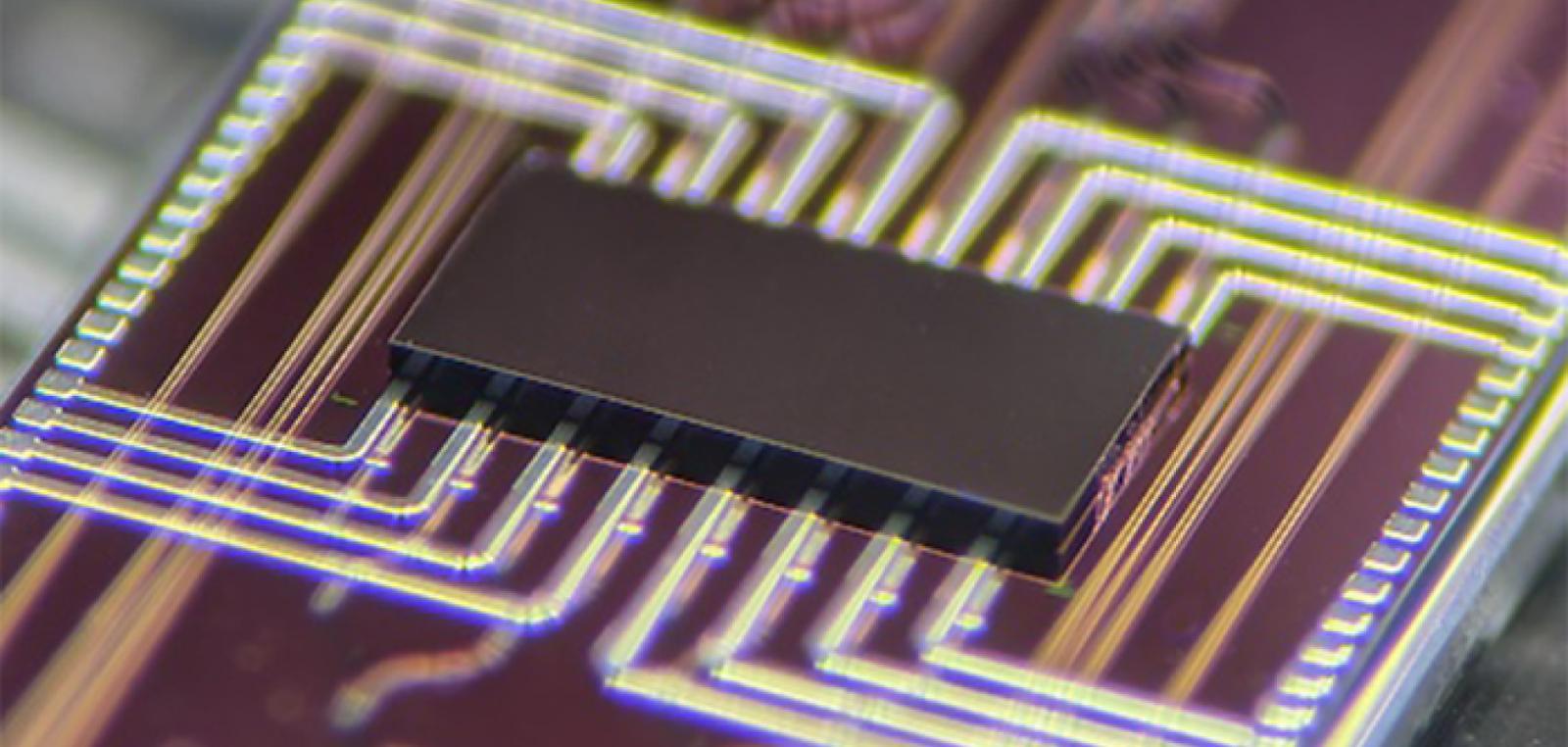
The growing use of wearable electronics for fitness tracking and personal health monitoring is increasing demand for heart-rate sensing technologies. Smartwatches, wristbands and other connected devices increasingly incorporate sensors that allow users to monitor cardiovascular activity during everyday routines and physical exercise. As these products evolve, manufacturers are focusing on sensor integration, measurement reliability and the ability to support different device designs.
According to Semiconductor Insight, the global Wearable Heart Rate Sensors Market is valued at USD 1,658.00 million in 2025 and is projected to reach USD 4,897.75 million by 2034, reflecting a CAGR of 12.8% during the 2026–2034 forecast period. North America leads with an estimated 35% of module sales. Market development is closely linked to photoplethysmography and electrocardiography technologies, compact optical integration and the qualification of sensing components for different wearable form factors.
Explore the complete Wearable Heart Rate Sensors Market analysis:
https://semiconductorinsight.com/report/wearable-heart-rate-sensors-market/
Why Are Wearable Heart Rate Sensors Becoming Important in Personal Health Monitoring?
Wearable heart-rate sensors provide a way to measure cardiovascular activity through compact electronic devices worn on the body. Their integration into consumer electronics has expanded access to routine heart-rate information, particularly through smartwatches and fitness bands.
Photoplethysmography technology measures changes in reflected light associated with blood-volume variations, while electrocardiography uses electrodes to detect the heart's electrical activity. These technologies serve different purposes and require distinct sensor arrangements, signal acquisition and device-level validation.
The sensor is only one part of a complete monitoring system. Its performance depends on placement, skin contact, optical shielding, electrode configuration, firmware and the conditions under which the wearable is used. This makes the selection and qualification of the sensing component an important part of product development.
Market Growth Is Closely Linked to Smartwatch and Fitness Device Adoption
The expanding smartwatch and fitness-band ecosystem is supporting demand for wearable heart-rate sensing products. Manufacturers increasingly integrate heart-rate functions into devices designed for daily activity tracking, exercise monitoring and connected health applications.
Semiconductor Insight estimates that Smart Watches account for approximately 43% of application value, followed by Smart Wristbands at around 28%. Smart Phones represent an estimated 12%, Headsets approximately 9%, and Other applications around 8%.
These application categories demonstrate the importance of designing sensors for different body-contact locations. Wrist-worn products require consistent optical contact despite movement and changes in strap pressure, while ear-worn products require compact modules that can fit within restricted enclosures.
Receive your Free Sample Report today:
https://semiconductorinsight.com/download-sample-report/?product_id=108142
Photoplethysmography and Electrocardiography Define the Main Technology Categories
Photoplethysmography Sensors Modules represent an estimated 68% of Type value, making optical sensing the leading category in the market. These modules use light emitters and detectors to measure changes in reflected or transmitted light. Their compact structure supports integration into wrist-based and selected ear-worn devices.
Electrocardiography Sensors Modules account for approximately 27%, while Others represent around 5%. ECG systems use electrode-based arrangements to acquire electrical signals from the heart. Their design requirements differ from optical sensing, particularly in relation to electrode contact, signal conditioning and movement-related interference.
The two approaches are not interchangeable in every application. Manufacturers must select the sensing technology according to the intended function, device configuration and validation requirements.
Compact Sensor Integration Is Influencing Wearable Product Design
The integration of optical components, analog processing and control electronics is becoming increasingly important as wearable devices become smaller and more feature-rich. Integrated packages can reduce some external design requirements, but the finished product must still manage optical interference, mechanical contact and power consumption.
The MAXM86161 from Analog Devices provides an example of a compact optical sensing package, combining an optical receiver, converter, LED drivers and storage functionality. The MAXM86146 offers another integration option and is recommended for new designs, while the ams OSRAM AS7050 listing carries a not-for-new-design status.
These component lifecycle differences influence purchasing and design decisions. Manufacturers must assess current product availability, qualified alternatives and redesign implications rather than relying only on historical component specifications.
Measurement Reliability and Device Qualification Remain Important Challenges
Wearable heart-rate sensing systems must operate under changing conditions, including movement, variations in skin contact, ambient light and differences in device placement. These factors can affect signal quality and measurement consistency.
Manufacturers also need to balance sensing performance with battery life, package dimensions and user comfort. A component that performs well in a laboratory environment may require further characterization after installation in a watch, wristband or headset.
For healthcare-related uses, the intended purpose and clinical evidence of the finished device must be evaluated separately. The presence of a heart-rate sensor does not automatically establish medical-grade accuracy or regulatory authorization.
Where Are the Biggest Opportunities Emerging?
The expansion of connected wearables creates opportunities for manufacturers that can deliver compact, integrated and reliable sensing components. Smartwatches and fitness bands remain important application areas, while ear-worn devices offer additional design opportunities for optical heart-rate monitoring.
Healthcare monitoring and specialized exercise equipment may also support demand for sensors with application-specific performance. Suppliers that provide design support, calibration guidance, stable component availability and qualified alternatives can strengthen their position with wearable-device manufacturers.
Wearable Heart Rate Sensors Market Segmentation
The report evaluates the market by type, application, end user and region, providing an overview of the principal technology and demand categories.
By type, the market is divided into:
-
Photoplethysmography Sensors Module
-
Electrocardiography Sensors Module
-
Others
By application, the market covers:
-
Smart Wristband
-
Smart Watches
-
Headset
-
Smart Phone
-
Others
By end user, the market includes:
-
Consumer Electronics
-
Healthcare
-
Sports and Fitness
-
Others
The segmentation reflects the different product requirements of consumer electronics manufacturers, healthcare applications and sports-monitoring equipment. The design of a sensor intended for a smartwatch may differ substantially from that of a module used in an ear-worn device.
View the complete Wearable Heart Rate Sensors Market segmentation and forecast:
https://semiconductorinsight.com/report/wearable-heart-rate-sensors-market/
Regional Wearable Heart Rate Sensors Market Outlook
North America accounts for an estimated 35% of product revenue, supported by health-electronics design, specialized instruments and demand for wearable monitoring components. The regional analysis includes the United States, Canada and Mexico.
Asia-Pacific represents close to 30% of product revenue, with China, Japan and India included in the country-level assessment. The region's electronics manufacturing ecosystem and wearable-device production contribute to its market significance.
Europe accounts for approximately 25% of the market, with Germany, the United Kingdom and France covered in the report. South and Central America, including Brazil, Argentina and Colombia, and the Middle East and Africa, including the United Arab Emirates, Saudi Arabia and South Africa, are also included.
Regional market performance is influenced by component availability, OEM qualification, wearable-device manufacturing and the adoption of connected monitoring products.
Competitive Landscape and Key Companies
The Wearable Heart Rate Sensors Market includes suppliers of optical and electrical sensing components, integrated module developers and companies participating in the wider wearable monitoring ecosystem.
The report identifies Analog Devices, ams OSRAM, Texas Instruments, Polar Electro and specialist optical-module integrators among the key companies profiled.
Competition is influenced by sensing performance, package integration, power efficiency, lifecycle management and the ability to meet the design requirements of wearable-device manufacturers. Suppliers must also support product qualification and provide reliable component availability.
Companies operating at different stages of the value chain should be evaluated according to their specific products. Integrated modules, analog sensing components and finished heart-rate monitoring devices do not represent identical product categories.
What Does the Wearable Heart Rate Sensors Market Report Cover?
The Semiconductor Insight study provides analysis of market size, sales, revenue, competitive positioning, industry dynamics, segmentation and regional performance.
The report evaluates the market by type, application and end user, covering Photoplethysmography Sensors Module, Electrocardiography Sensors Module, Smart Wristband, Smart Watches, Headset, Smart Phone, Consumer Electronics, Healthcare and Sports and Fitness.
It also examines component integration, sensor qualification, manufacturing considerations, market drivers, restraints and opportunities. Regional coverage includes North America, Europe, Asia-Pacific, South and Central America, and the Middle East and Africa, with country-level analysis across key markets.
The study further assesses the competitive environment, supplier positioning and the technology developments influencing wearable heart-rate monitoring.
Key Questions Answered by the Study
The report helps industry participants evaluate questions including:
-
What is the current Wearable Heart Rate Sensors Market size?
-
How large will the market become by 2034?
-
What is the expected CAGR during the 2026–2034 forecast period?
-
How are Photoplethysmography and Electrocardiography technologies developing?
-
Which applications account for the largest share of market demand?
-
How are smartwatches and smart wristbands influencing adoption?
-
What role does compact sensor integration play in wearable-device development?
-
What challenges affect measurement reliability and component qualification?
-
Which regions represent the most important markets?
-
Who are the leading companies profiled in the market?
-
How are component lifecycle changes influencing product development?
-
What technological and commercial developments are shaping competition?
Explore the full Wearable Heart Rate Sensors Market forecast and competitive analysis:
https://semiconductorinsight.com/report/wearable-heart-rate-sensors-market/
Get a Sample Report copy for free:
https://semiconductorinsight.com/download-sample-report/?product_id=108142
About Semiconductor Insight
Semiconductor Insight provides market intelligence and industry research covering semiconductor technologies, electronic components, advanced manufacturing systems and related technology markets. Its research focuses on market sizing, forecasting, competitive landscapes, technology trends, segmentation and regional analysis to support strategic decision-making across the semiconductor ecosystem.
Contact Semiconductor Insight
Website: www.semiconductorinsight.com

 English
 Arabic
 French
 Spanish
 Portuguese
 Deutsch
 Turkish
 Italiano
 Russian
 Romaian
 Portuguese (Brazil)
 Greek
