
Barge Building Company: Modern Technologies for Stronger and More Efficient Marine Vessels
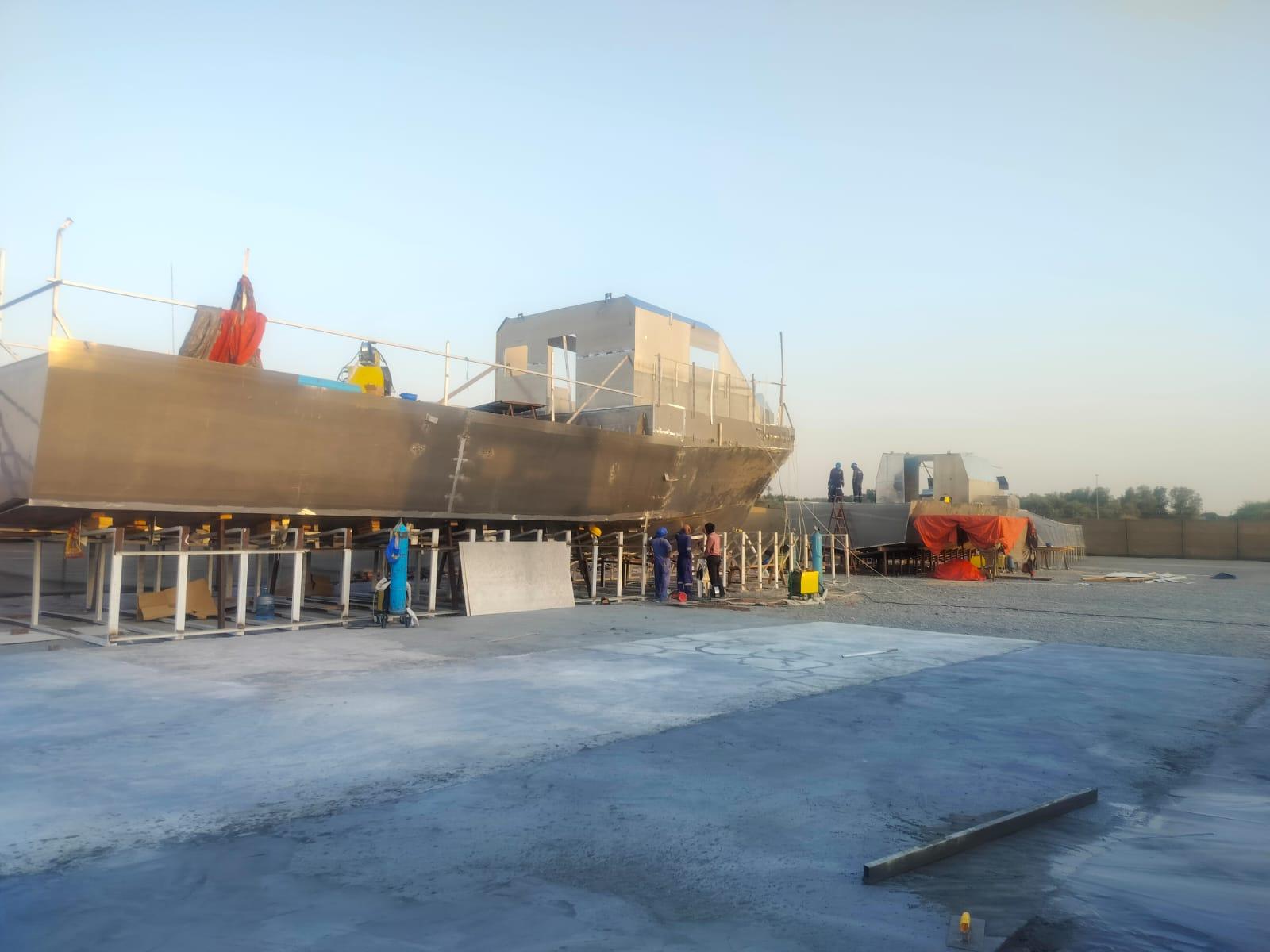
Barges are an essential part of the maritime transportation industry because they provide a practical way to move heavy materials, industrial equipment, containers, and bulk cargo. They are widely used in ports, rivers, coastal areas, construction projects, and offshore operations. As marine transportation requirements continue to change, vessel construction is also becoming more advanced. Modern engineering methods are helping improve the strength, safety, and efficiency of these important vessels.
Today, a barge building company must consider several factors while developing a vessel, including cargo capacity, operating conditions, structural strength, material quality, and maintenance requirements. New technologies are making it possible to create barges that perform reliably while supporting more efficient marine operations. VU Marine is involved in the shipbuilding and marine services sector, where quality construction and practical engineering solutions play an important role.
1. Digital Design and Modern Planning Techniques
The construction of a reliable barge begins with proper design and planning. Modern shipbuilding uses computer-aided design (CAD) software to prepare detailed vessel models before the manufacturing process starts. These digital designs help engineers determine the vessel's length, width, depth, deck arrangement, hull structure, and internal compartments.
Three-dimensional modelling provides a clearer understanding of how different sections will fit together. Engineers can make design adjustments before physical construction, reducing the possibility of errors and unnecessary material consumption.
Simulation software can also help evaluate structural loads, vessel stability, and expected operating performance. For example, a barge designed to carry construction machinery may require a stronger deck and additional structural support compared with a vessel used for general cargo transportation.
This planning approach helps improve construction accuracy and ensures that the final design matches the project's technical requirements.
2. Selecting Better Materials for Stronger Vessels
The choice of construction material has a direct effect on a barge's performance and service life. Marine vessels must handle heavy loads while remaining exposed to water, humidity, changing temperatures, and other environmental conditions.
Steel is commonly selected for large commercial barges because of its strength, durability, and ability to support substantial cargo loads. Aluminium is another useful material, particularly when reducing overall vessel weight is an important design objective.
Modern aluminum barge builders consider the vessel's purpose before deciding which material is most suitable. Aluminium can provide a favourable strength-to-weight ratio, but its use requires proper structural calculations, suitable welding methods, and careful engineering.
A lighter vessel can offer operational advantages, but designers must also consider fatigue resistance, stability, load distribution, and long-term maintenance. The right material is the one that meets the vessel's actual operating requirements safely and economically.
3. Modern Manufacturing and Welding Processes
Manufacturing technology has improved the way marine structures are fabricated and assembled. Advanced cutting machines, accurate measuring equipment, and controlled welding processes help produce components with better dimensional accuracy.
Welding is especially important because it connects different structural sections and contributes to the overall strength of the vessel. Modern welding equipment allows fabrication teams to maintain more consistent working conditions and produce reliable joints.
Automated welding systems can be useful for repetitive work, such as joining similar plates and preparing structural panels. However, skilled professionals are still necessary for complex welding operations, quality checks, and technical supervision.
Non-destructive testing methods, including ultrasonic and radiographic examinations where appropriate, help identify internal defects without damaging the finished structure. These inspections support better quality control and reduce the risk of problems developing during vessel operation.
4. Improved Hull Engineering and Structural Strength
The hull is one of the most important parts of a barge because it supports the vessel's structure and interacts directly with the surrounding water. Its design influences stability, displacement, cargo capacity, and operating performance.
Modern engineering software allows designers to study different hull configurations and examine how water flows around the vessel. Computational fluid dynamics (CFD) can help evaluate resistance and identify possible improvements in hull geometry.
Structural analysis is equally important. Engineers examine the distribution of cargo loads and determine the appropriate placement of deck beams, bulkheads, stiffeners, and other supporting elements.
For projects involving barge builders in UAE, environmental factors such as saline water, high temperatures, and coastal operating conditions deserve particular attention. Construction materials, protective coatings, and equipment should be selected according to the environment in which the vessel will work.
A well-designed hull can help improve reliability while supporting the vessel's intended commercial application.
5. Advanced Protection Against Marine Corrosion
Corrosion is a common challenge for vessels operating in marine environments. Continuous exposure to saltwater and moisture can damage metal surfaces over time, potentially affecting structural strength and increasing repair expenses.
Modern marine coating systems provide protection by creating a barrier between the vessel's surface and the surrounding environment. Depending on the application, protective systems may include specialized primers, anti-corrosion coatings, and marine-grade finishing materials.
Proper surface preparation is essential before applying any coating. Cleaning, removing rust, and following the manufacturer's application instructions can improve coating performance.
Some vessels also use cathodic protection systems to reduce corrosion on submerged metal components. Regular inspections help identify coating damage and early signs of deterioration.
Preventive maintenance is generally more effective than waiting for serious corrosion problems to appear. A planned inspection schedule can help extend vessel life and control maintenance costs.
6. Smart Technology for Vessel Monitoring
Digital monitoring systems are becoming increasingly useful in marine operations. Sensors and electronic equipment can collect information about machinery temperature, vibration, pressure, operating hours, and other important performance indicators.
This information helps operators understand the condition of different vessel systems. If equipment begins showing unusual behaviour, maintenance teams can investigate before the problem develops into a major breakdown.
Predictive maintenance is another important development. It uses equipment data and inspection records to estimate when servicing or component replacement may be required.
For powered barges, these technologies can help monitor engines, pumps, generators, and related machinery. For non-powered vessels, attention can be directed towards hull condition, deck structures, watertight compartments, and other essential components.
Although digital systems improve maintenance planning, regular physical inspections and professional assessments remain necessary.
7. Energy-Saving Technologies in Marine Construction
Energy efficiency has become a major consideration in the maritime sector. According to the OECD's 2025 analysis of shipbuilding and maritime decarbonisation, more than 9,397 ships had energy-saving technologies installed by October 2024. This represented approximately 35% of the global fleet's tonnage.
Although these figures cover the wider shipping industry rather than barges alone, they demonstrate the increasing importance of energy-efficient marine technology.
For powered barges, efficient engines, suitable propeller arrangements, and regular machinery servicing can contribute to better fuel performance. Hull maintenance and appropriate coatings may also help reduce unnecessary water resistance.
Construction practices can support sustainability as well. Accurate cutting, careful material planning, and responsible waste management reduce unnecessary resource consumption during manufacturing.
The main objective is to develop vessels that meet operational needs while making effective use of materials, fuel, and other resources.
8. Quality Inspection and Marine Safety
Safety should remain a priority throughout the entire construction process. Every vessel must be designed according to its intended cargo, operating environment, and technical requirements.
Quality inspections begin with checking construction materials and continue through fabrication, welding, assembly, and final testing. Engineers verify important factors such as structural dimensions, load capacity, stability, and watertight integrity.
Depending on the vessel's classification and operating jurisdiction, applicable maritime regulations and classification requirements must also be considered.
Testing procedures may include weld examinations, compartment leak testing, equipment checks, and structural inspections. Proper documentation helps maintain a record of the vessel's construction details, inspection results, and future maintenance activities.
VU Marine recognizes the importance of reliable marine engineering and quality-focused construction practices in supporting commercial and industrial marine requirements.
9. Future Developments in Barge Manufacturing
The future of barge construction will involve greater use of digital technology, improved fabrication equipment, and advanced engineering methods. Digital twin technology, for example, can create a virtual representation of a vessel using design information and operational data.
Such systems may help engineers understand vessel performance, monitor structural conditions, and plan maintenance activities more effectively.
Robotic fabrication, improved material technologies, and advanced simulation tools are also expected to contribute to more accurate manufacturing processes.
However, successful vessel construction will continue to depend on more than advanced machinery. Experienced engineers, qualified technicians, careful planning, and proper inspection procedures will remain essential.
Each technology should be selected according to its practical value, project requirements, and long-term benefits.
Conclusion
Modern barge manufacturing is developing through improvements in digital design, material selection, welding, hull engineering, corrosion protection, and smart monitoring. These technologies help create marine vessels that can handle demanding operations while maintaining structural reliability and operational efficiency.
A successful construction project requires a balanced approach that combines advanced equipment with technical knowledge and proper quality control. By focusing on suitable materials, efficient designs, and regular maintenance, the maritime industry can continue developing stronger and more dependable barges for commercial transportation, construction, and offshore applications.
With continuous engineering improvements, modern marine vessels will be better prepared to meet the changing demands of the global maritime industry.

 English
 Arabic
 French
 Spanish
 Portuguese
 Deutsch
 Dutch
 Italiano
 Russian
 Romaian
 Portuguese (Brazil)
 Greek
