
How Does Chemical Peel Treatment Remove Dead Skin Cells?
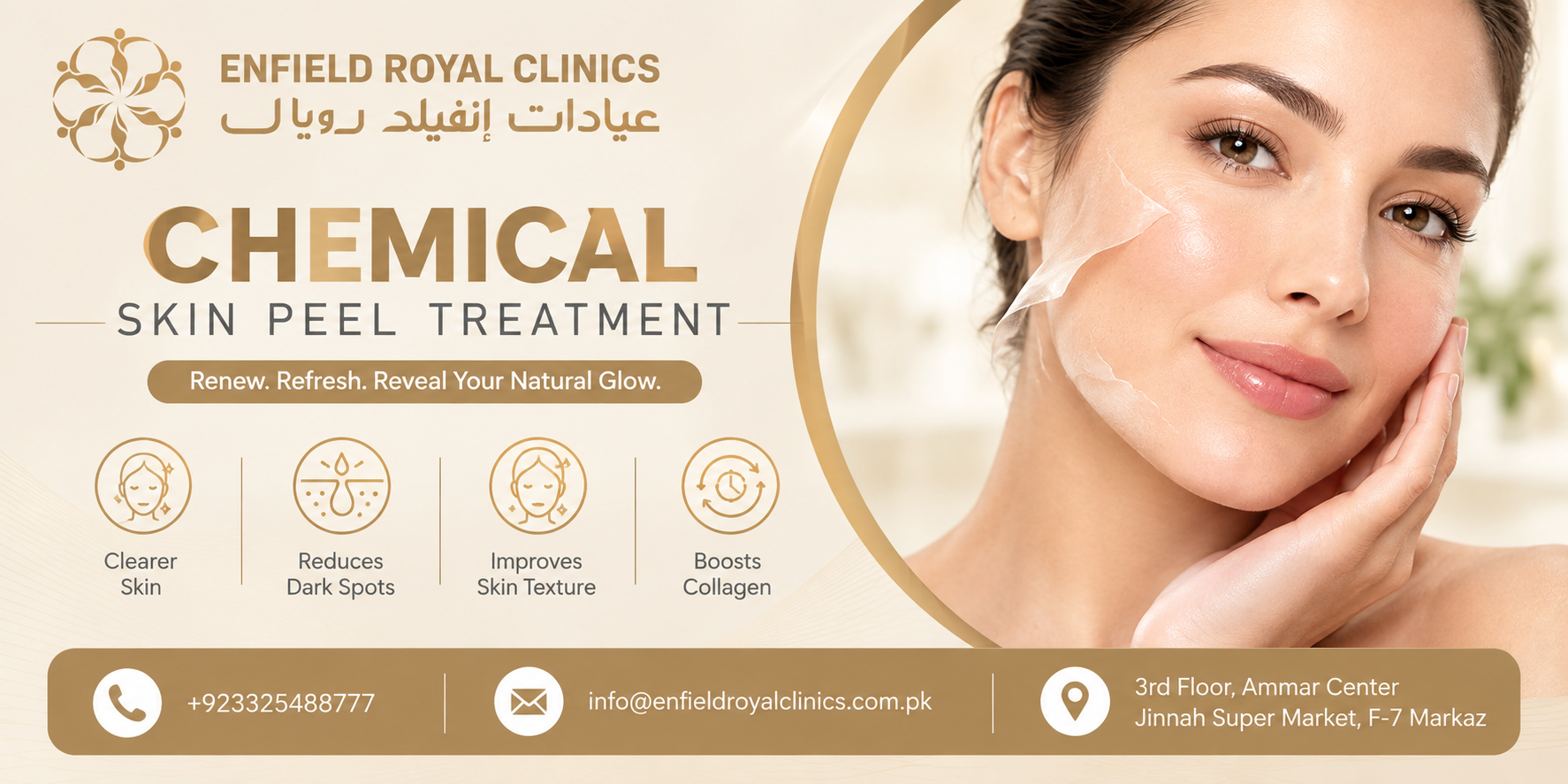
Healthy, glowing skin is often associated with a smooth texture, even tone, and natural radiance. However, dead skin cells, clogged pores, sun exposure, and environmental damage can make the skin appear dull and uneven. These concerns may also contribute to rough texture, dark spots, fine lines, and acne marks. Chemical peel treatment is a popular skincare procedure that helps improve these concerns by encouraging the removal of damaged outer skin cells and supporting natural skin renewal.
The treatment uses specially formulated chemical solutions to exfoliate the skin at controlled depths. Depending on the ingredients and strength, it can work on the skin's surface or reach deeper layers to address more noticeable concerns. Understanding how chemical peels in islamabad work can help individuals decide whether this treatment is suitable for their skincare goals.
What Is Chemical Peel Treatment and How Does It Work?
Chemical peel treatment is a professional skin-resurfacing procedure designed to remove damaged outer layers of the skin. It involves applying a carefully selected chemical solution that loosens the bonds between dead skin cells, allowing them to shed more easily.
The skin naturally renews itself through a process called cell turnover. However, dead cells can sometimes accumulate on the surface, making the complexion look dull and uneven. A chemical peel helps speed up this natural exfoliation process.
Depending on the type of peel, the treatment may contain ingredients such as:
-
Glycolic acid: An alpha hydroxy acid (AHA) that helps exfoliate the skin's surface and improve texture.
-
Salicylic acid: A beta hydroxy acid (BHA) that penetrates oil-filled pores and helps remove excess oil and dead cells.
-
Lactic acid: A gentle AHA that supports exfoliation and can be suitable for certain dry or sensitive skin types.
-
Trichloroacetic acid (TCA): An ingredient used in medium-depth peels to address selected pigmentation, texture, and signs of ageing.
The appropriate formula depends on the individual's skin type, sensitivity, and specific concerns. Professional assessment is important to determine the correct treatment strength.
How Does Chemical Peel Treatment Remove Dead Skin Cells?
The main purpose of a chemical peel is to exfoliate the skin by weakening the connections between accumulated dead skin cells. Once these cells become easier to shed, they gradually separate from the surface, revealing fresher skin underneath.
The treatment generally works through several stages.
1. Preparation of the Skin
Before the procedure, the skin is cleansed to remove makeup, dirt, oil, and other impurities. This helps prepare the surface for an even application of the peeling solution.
2. Application of the Chemical Solution
A selected chemical formula is carefully applied to the treatment area. The active ingredients begin working on the outer skin layers by loosening the bonds that hold dead skin cells together.
3. Exfoliation and Skin Renewal
As the solution works, accumulated dead cells begin to loosen. Depending on the peel's depth, the skin may experience mild tingling, temporary redness, or a warm sensation.
4. Removal or Neutralization
Some chemical peels are washed off or neutralized after a specific period, while others are designed to remain on the skin. The method depends on the formulation and professional treatment protocol.
5. Natural Shedding and Recovery
Over the following days, the treated skin may become dry, flaky, or start peeling. This is part of the exfoliation and recovery process. Newer skin gradually becomes visible as the damaged outer cells shed.
The amount of peeling varies between individuals. A successful chemical peel does not necessarily require visible skin shedding.
What Skin Problems Can Chemical Peel Treatment Improve?
Chemical peels are used to address several common skin concerns. Their results depend on the ingredients, treatment depth, skin condition, and number of sessions required.
Some of the most common concerns include:
1. Dull and Uneven Skin Tone
Dead skin cells can accumulate on the surface and make the complexion appear tired or lacklustre. Exfoliation helps remove this buildup, allowing the skin to look fresher and smoother.
2. Acne and Clogged Pores
Certain chemical peels, especially those containing salicylic acid, can help clear clogged pores and reduce excess oil. They may also improve mild acne and reduce the appearance of post-acne marks.
3. Dark Spots and Hyperpigmentation
Sun exposure, hormonal changes, and previous acne breakouts can contribute to uneven pigmentation. Selected chemical peels help improve superficial discoloration by encouraging the removal of pigmented outer skin cells.
4. Fine Lines and Rough Texture
Some medium-depth peels stimulate skin renewal and can improve the appearance of fine lines and uneven texture. However, deeper wrinkles may require other treatments.
5. Enlarged-Looking Pores
Chemical exfoliation can remove excess oil and dead cells around pores, making them appear less noticeable. It does not permanently change pore size, but it can improve their overall appearance.
What Are the Different Types of Chemical Peels?
Not every chemical peel works at the same depth. The treatment is generally divided into three categories based on how deeply the solution affects the skin.
Superficial Chemical Peels
Superficial peels target the outermost skin layer. They commonly use mild acids such as glycolic acid, lactic acid, or salicylic acid.
These peels are often selected for dullness, mild pigmentation, uneven texture, and certain types of acne. Recovery is usually relatively quick, although temporary redness and dryness can occur.
Medium-Depth Chemical Peels
Medium-depth peels reach beyond the outermost layer into the upper part of the dermis. TCA is commonly used for this category.
They may help improve more noticeable sun damage, pigmentation, acne scars, and fine lines. Recovery takes longer than with superficial peels, and peeling or redness may be more pronounced.
Deep Chemical Peels
Deep peels penetrate further into the skin and are used for selected severe skin concerns. They may involve stronger chemical agents and require more extensive recovery.
These treatments carry greater risks, including prolonged redness, pigmentation changes, infection, and scarring. They require careful assessment and specialist supervision.
Choosing the correct peel is important because stronger treatments are not automatically better for every skin type.
What Should Patients Expect Before and After Chemical Peel Treatment?
Proper preparation and aftercare are important for achieving good results and reducing the possibility of irritation.
Before the procedure, a skincare professional should assess the patient's skin type, medical history, previous treatments, and current skincare routine. Certain medications, active skin infections, recent sun exposure, and a history of cold sores may affect treatment suitability.
Patients may receive specific preparation instructions, which can include avoiding certain exfoliating products and limiting sun exposure.
After chemical peel treatment, the skin may experience temporary dryness, redness, sensitivity, or flaking. These effects depend on the depth of the peel.
Important aftercare practices include:
-
Applying a gentle moisturizer to support the skin barrier.
-
Using broad-spectrum SPF 30 or higher sunscreen every day.
-
Avoiding direct sunlight while the skin recovers.
-
Not picking, scratching, or pulling peeling skin.
-
Avoiding harsh scrubs and exfoliating products until the skin has healed.
-
Following the recommended cleansing and skincare routine.
-
Avoiding additional skin treatments until recovery is complete.
Patients should contact a qualified professional if they experience severe pain, increasing swelling, blistering, signs of infection, or unexpected skin reactions.
How Many Chemical Peel Sessions Are Needed for Better Results?
The number of sessions depends on the skin concern, peel strength, and individual response to treatment.
Some people notice improvements in skin brightness and texture after one superficial peel. However, concerns such as persistent pigmentation, acne marks, and uneven texture may require multiple sessions.
Superficial peels are often performed as a series, with appropriate intervals between appointments. Medium and deep peels generally require more recovery time and may not need the same treatment frequency.
Results also depend on maintaining a consistent skincare routine. Sun protection, gentle cleansing, and regular moisturizing help preserve improvements and protect the newly renewed skin.
A professional assessment can help establish a suitable treatment schedule without exposing the skin to unnecessary exfoliation.
Frequently Asked Questions (FAQs)
1. Does chemical peel treatment completely remove dead skin cells?
Chemical peels help loosen and remove accumulated dead skin cells from the treated area. The skin continues its natural renewal process, so dead cells will gradually accumulate again over time.
2. Is chemical peel treatment painful?
Most superficial peels cause mild tingling, warmth, or temporary stinging rather than significant pain. Medium and deep peels may involve more discomfort and require additional recovery care.
3. How long does the skin take to recover after a chemical peel?
Recovery depends on the peel's depth. Superficial peels may require a few days, while medium-depth peels can take around one to two weeks or longer. Deep peels require a significantly longer recovery period.
4. Can chemical peel treatment help with acne scars?
Certain chemical peels can improve mild acne scars, uneven texture, and post-acne marks. However, deeper or indented scars may require additional procedures for more noticeable improvement.
5. Is chemical peel treatment suitable for sensitive skin?
Some gentle formulations may be suitable for selected sensitive skin types. However, sensitive skin requires careful assessment because chemical exfoliation can cause irritation, redness, or pigmentation changes.
6. How often can someone get a chemical peel?
The recommended frequency depends on the peel type, skin condition, and recovery. Superficial peels may be repeated after several weeks, while deeper peels require longer intervals. Professional guidance is important before scheduling another session.
Conclusion
Chemical peel treatment is a popular skin-resurfacing option that helps remove accumulated dead skin cells, improve uneven texture, and support natural skin renewal. By using carefully selected chemical solutions, the procedure encourages exfoliation and reveals fresher-looking skin underneath.
From dullness and clogged pores to pigmentation and fine lines, different types of chemical peels can address various skin concerns. However, choosing the appropriate formula and treatment depth is essential for safe and effective results. With professional assessment, proper aftercare, and consistent sun protection, individuals can maintain healthier-looking, smoother, and more radiant skin.

 English
 Arabic
 French
 Spanish
 Portuguese
 Deutsch
 Turkish
 Dutch
 Italiano
 Russian
 Portuguese (Brazil)
 Greek
