
Revision Rhinoplasty Dubai: How Can Scar Tissue Influence Secondary Nose Surgery?
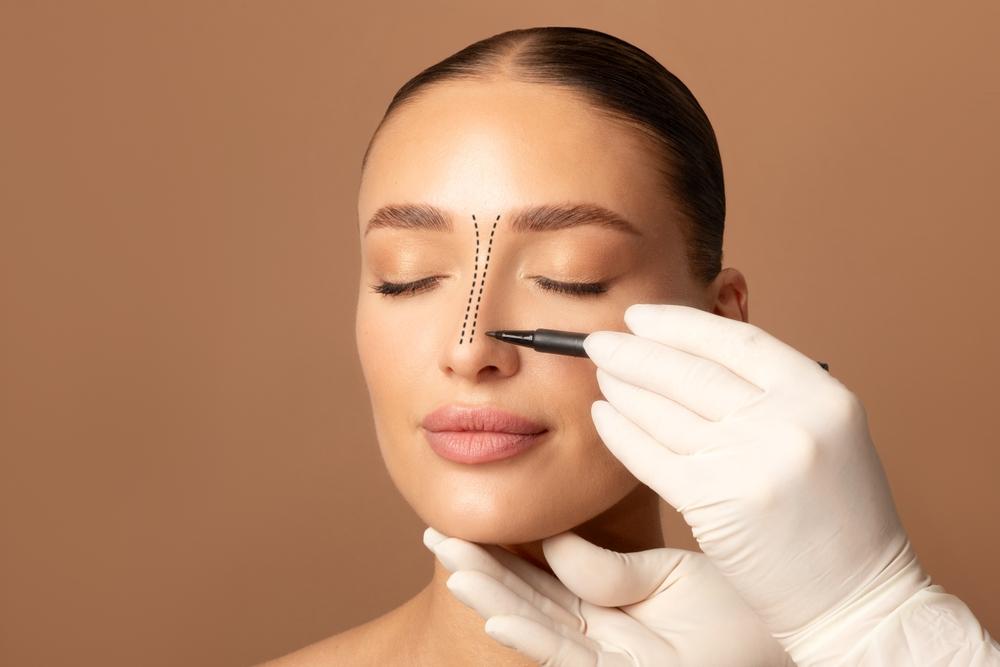
Revision rhinoplasty is a specialised surgical procedure designed to improve the appearance or function of the nose following an earlier rhinoplasty. While primary nose surgery generally involves reshaping nasal structures for the first time, secondary surgery presents additional considerations. One of the most important factors is scar tissue, which can significantly influence the surgical approach, the healing process, and the final nasal appearance.
Scar tissue develops naturally as the body repairs itself after surgery. However, following an initial rhinoplasty, the internal and external tissues may heal differently than expected. Some patients develop dense scar tissue, adhesions, or changes in skin thickness that make further surgical adjustments more complicated. Understanding these changes is essential when considering Revision rhinoplasty dubai.
Dr. Shahram Sajjadi approaches revision nasal surgery with careful attention to each patient's existing nasal anatomy, previous surgical changes, and individual aesthetic goals. Evaluating scar tissue before surgery helps establish a realistic treatment plan that considers both structural support and natural-looking results.
Understanding Scar Tissue After Primary Rhinoplasty
Scar tissue is a natural part of the body's healing response. Whenever surgery involves an incision or tissue manipulation, the body produces collagen to repair the affected area. During rhinoplasty, this healing response can occur beneath the skin, around cartilage, and within the nasal framework.
In some patients, scar tissue remains soft and gradually becomes less noticeable. In others, it may become thicker, firmer, or more restrictive. These differences depend on several factors, including individual healing characteristics, surgical techniques, tissue handling, and the extent of the original procedure.
Scar tissue can develop in different areas of the nose, including the nasal tip, bridge, and internal nasal passages. Its location and density determine how it may influence secondary surgery.
For example, scar tissue around the nasal tip can make the skin feel thicker and less flexible. Similarly, internal adhesions may restrict tissue movement or affect the available space within the nasal passages. These changes need to be carefully assessed before another operation is considered.
How Scar Tissue Changes Nasal Anatomy
One of the main challenges in revision rhinoplasty is that the surgeon is not working with untouched nasal anatomy. The original procedure may have altered cartilage, bone, connective tissue, and the natural support structures of the nose.
Scar tissue can further change the relationship between these structures.
In some cases, fibrous tissue attaches neighbouring structures together, reducing their natural movement. This can make it more difficult to identify the original tissue boundaries during surgery. Scar formation may also create unevenness beneath the skin, affecting the visible nasal contours.
For instance, a patient who initially underwent surgery to refine a rounded nasal tip may notice that the area remains bulky because of scar formation. Another patient may experience an irregular appearance along the nasal bridge due to changes in the underlying tissues.
These conditions demonstrate why revision surgery requires more than simply repeating the techniques used during primary rhinoplasty. A detailed understanding of the existing anatomy is necessary to determine which areas need correction and how the remaining structures can be supported.
The Impact of Scar Tissue on Nasal Tip Refinement
The nasal tip is particularly sensitive to changes in scar formation because its appearance depends on the relationship between skin thickness, cartilage shape, and supporting structures.
After primary rhinoplasty, scar tissue may accumulate around the tip cartilages. This can make the area appear rounded, swollen, or less defined than expected. Even when the underlying cartilage has been reshaped successfully, thicker scar tissue can influence how the final contour appears through the skin.
During revision surgery, the surgeon must determine whether the visible fullness results from excess scar tissue, cartilage positioning, or a combination of both.
Removing or adjusting tissue without understanding its supporting role may affect the overall nasal structure. Therefore, careful assessment and controlled surgical techniques are important.
Patients with thicker nasal skin may require additional consideration because the skin envelope can naturally limit how much definition is visible. Scar tissue may further influence this limitation, making realistic treatment planning particularly important.
Can Scar Tissue Affect Nasal Bridge Shape?
Scar tissue can also influence the appearance of the nasal bridge following an earlier operation. Some patients notice irregular contours, small depressions, or areas of uneven fullness after their initial rhinoplasty.
These changes may result from several factors, including underlying cartilage or bone irregularities, tissue healing, and scar formation.
When scar tissue develops around the bridge, it can create uneven tension beneath the skin. This may affect how smoothly the nasal surface appears, particularly when viewed from the side or under different lighting conditions.
Revision surgery aims to identify the actual source of the irregularity rather than simply treating its visible appearance.
Depending on the patient's anatomy, the surgeon may need to refine existing structures, release restrictive scar tissue, or use cartilage grafting to improve support and contour.
The appropriate technique depends on the location of the problem, the amount of available cartilage, and the condition of the surrounding tissues.
Why Secondary Nose Surgery Requires More Detailed Planning
Primary rhinoplasty generally provides the surgeon with a relatively predictable anatomical starting point. Revision procedures are different because previous surgical changes and healing responses can affect the available treatment options.
Scar tissue may obscure natural tissue planes, while earlier cartilage removal can reduce the structural material available for reshaping. In some cases, the nasal framework may also require additional support to achieve the intended contour.
Before recommending surgery, a detailed consultation should evaluate:
- The patient's previous rhinoplasty procedure and surgical history.
- The location and extent of existing scar tissue.
- The condition of the nasal cartilage and bone.
- Skin thickness and flexibility.
- Nasal tip support and overall structural stability.
- Breathing concerns and internal nasal anatomy.
- The patient's expectations regarding appearance and function.
This assessment helps establish whether the desired improvements are achievable and which surgical methods may be appropriate.
For patients researching Revision rhinoplasty dubai, understanding the importance of individualised planning can help them make more informed decisions about secondary nasal surgery.
Techniques Used to Manage Scar Tissue During Revision Rhinoplasty
Managing scar tissue requires a careful balance between removing restrictive tissue and preserving the structures that support the nose.
The surgical approach depends on the patient's individual anatomy and the type of changes identified during consultation.
Careful Scar Tissue Release
When dense scar tissue restricts movement between nasal structures, carefully releasing selected adhesions may help restore more natural tissue positioning.
This process requires precision because scar tissue can be closely attached to important supporting structures. The objective is to improve tissue mobility while maintaining the stability of the nasal framework.
Cartilage Grafting for Structural Support
Some patients have limited cartilage remaining after their initial surgery. In these situations, additional cartilage may be considered to improve support or restore specific nasal contours.
Depending on the surgical requirements, cartilage may be obtained from the septum, ear, or rib. The choice depends on the amount of support required and the availability of suitable donor tissue.
Cartilage grafting can be particularly relevant when previous surgery has weakened the nasal tip or altered the bridge structure.
Refining Nasal Contours
Scar-related irregularities may require carefully planned adjustments to the underlying cartilage or bone. The goal is to create smoother transitions between different nasal areas while respecting the limitations of the existing tissue.
The surgeon must consider how the skin will settle over the adjusted framework during healing.
Preserving Healthy Tissue
An important principle in revision surgery is avoiding unnecessary tissue removal. Since the nose has already undergone an operation, preserving healthy cartilage, connective tissue, and skin support can be essential.
A conservative approach may help maintain structural stability and provide a more predictable foundation for further healing.
How Long Should Patients Wait Before Revision Rhinoplasty?
Timing is another important consideration when scar tissue is involved. After primary rhinoplasty, the nose continues to heal and change for an extended period.
Swelling gradually decreases, tissues soften, and scar formation develops over time. Performing another operation before these changes have sufficiently settled may make it difficult to evaluate the actual nasal structure.
In many cases, surgeons recommend waiting approximately 12 months after primary rhinoplasty before considering revision surgery. However, the appropriate timeframe depends on the original procedure, healing progress, and the nature of the concern.
Patients should avoid making decisions based solely on early postoperative appearance. A nose that looks uneven during the initial healing period may become more balanced as swelling resolves and scar tissue matures.
A professional assessment helps determine whether the concern requires surgical correction or whether additional healing time would be more appropriate.
How Does Scar Tissue Influence Revision Rhinoplasty Recovery?
Recovery following revision rhinoplasty can differ from recovery after primary nose surgery. This is partly because the tissues have already experienced surgical manipulation and may contain established scar formations.
Some patients experience swelling for longer, particularly around the nasal tip. Changes in skin thickness and tissue flexibility can also influence how quickly the final contours become visible.
The recovery process generally involves several stages. Initial swelling gradually improves, while deeper tissues continue to settle over the following months.
Patients should follow their surgeon's postoperative instructions carefully and attend recommended follow-up appointments. These visits allow the surgeon to monitor healing, evaluate tissue changes, and assess the developing nasal shape.
It is also important to understand that revision results may take time to become fully visible. Patience is an essential part of the recovery process.
Understanding Revision Rhinoplasty Cost in Dubai
The cost of secondary nose surgery varies according to the complexity of the procedure and the individual treatment requirements.
Unlike primary rhinoplasty, revision surgery may involve additional surgical planning, scar tissue management, structural reconstruction, and cartilage grafting.
Several factors can influence Revision rhinoplasty Cost in dubai, including:
- The complexity of the previous nasal surgery.
- The amount and location of scar tissue.
- Whether cartilage grafting is required.
- The extent of nasal tip or bridge reconstruction.
- The surgical technique and operating time.
- The surgeon's experience and treatment approach.
- Hospital and anaesthesia-related requirements.
Patients should receive an individualised quotation after a consultation and anatomical assessment. A clear discussion about the proposed procedure and included services helps patients understand the overall treatment costs.
Choosing a surgeon based only on price may overlook important considerations such as experience with secondary procedures, surgical planning, and the ability to address complex anatomical changes.
Choosing the Right Surgeon for Revision Rhinoplasty in Dubai
Selecting an experienced surgeon is particularly important when scar tissue and previous structural changes are involved. Revision rhinoplasty requires a detailed understanding of nasal anatomy, tissue healing, cartilage support, and facial proportions.
Patients should look for a surgeon who carefully evaluates the results of the previous operation rather than offering a standardised solution.
During consultation, it is helpful to discuss the original surgical concerns, the changes that have occurred since the procedure, and the improvements the patient hopes to achieve.
Dr. Shahram Sajjadi focuses on understanding each patient's nasal structure and individual aesthetic requirements when evaluating revision rhinoplasty options. A personalised treatment plan can help address concerns while maintaining attention to nasal function and natural facial proportions.
Patients should also ask about realistic outcomes, the expected recovery process, and whether additional structural support may be needed.
Conclusion
Scar tissue is one of the most important considerations in secondary nose surgery because it can influence nasal anatomy, skin flexibility, cartilage movement, and the final appearance of the nose. Its effects vary between patients, making individual assessment essential before planning another procedure.
From nasal tip refinement to bridge reconstruction, successful revision rhinoplasty requires careful evaluation of existing scar formations and the structures beneath them. Techniques such as scar tissue release, cartilage grafting, and conservative structural refinement may be considered depending on the patient's needs.
For individuals considering Revision rhinoplasty dubai, choosing an experienced surgeon and allowing sufficient time for the initial nose surgery to heal are important steps. With detailed planning and realistic expectations, secondary surgery can address previous concerns while aiming to create a balanced, natural-looking nasal appearance.
Frequently Asked Questions
1. What is scar tissue in revision rhinoplasty?
Scar tissue is fibrous tissue that develops naturally during the healing process after surgery. Following primary rhinoplasty, it can form around cartilage, bone, and surrounding soft tissues, potentially influencing the shape and flexibility of the nose.
2. Can scar tissue make the nose look bigger after rhinoplasty?
Yes, in some cases. Scar tissue can contribute to fullness, particularly around the nasal tip. However, swelling, skin thickness, and underlying cartilage structure can also influence the appearance. A surgeon must identify the actual cause before recommending treatment.
3. Does scar tissue make revision rhinoplasty more complicated?
Scar tissue can make secondary surgery more technically demanding because it may attach neighbouring structures together and make normal tissue boundaries harder to identify. Previous cartilage removal and changes in nasal support can add further complexity.
4. Can scar tissue be removed during revision rhinoplasty?
Selected scar tissue can sometimes be released or carefully removed during revision surgery. However, complete removal is not always appropriate because some scar tissue contributes to tissue stability. The surgeon determines which areas require treatment.
5. How long should I wait before having revision rhinoplasty?
Many patients are advised to wait approximately 12 months after their initial rhinoplasty. This allows swelling to decrease and scar tissue to mature. The appropriate timing depends on individual healing and the nature of the nasal concern.
6. Can scar tissue affect the nasal tip after surgery?
Yes. Scar formation around the nasal tip can contribute to fullness, reduced definition, and changes in tissue flexibility. The surgeon evaluates whether the concern comes from scar tissue, cartilage positioning, skin thickness, or a combination of factors.
7. Is revision rhinoplasty possible if cartilage was removed during the first surgery?
Yes. Revision rhinoplasty may still be possible even when cartilage has previously been removed. Depending on the structural requirements, cartilage from the ear or rib may be considered to provide additional support.
8. Does revision rhinoplasty take longer to heal than primary rhinoplasty?
Recovery can be more gradual because the tissues have already undergone surgical changes. Swelling, particularly around the nasal tip, may take longer to settle. The recovery timeline varies according to the procedure and individual healing response.
9. What determines Revision rhinoplasty Cost in dubai?
The cost depends on the complexity of the procedure, the amount of scar tissue, the need for cartilage grafting, the extent of reconstruction, and hospital-related expenses. An individual consultation is necessary to establish an accurate quotation.
10. How can I know whether scar tissue is affecting my nose?
Persistent nasal fullness, uneven contours, reduced tip definition, or changes in tissue flexibility may indicate scar-related changes. However, these signs can have other explanations. A clinical examination by an experienced rhinoplasty surgeon is the most appropriate way to identify the cause.

 English
 French
 Spanish
 Portuguese
 Deutsch
 Turkish
 Dutch
 Italiano
 Russian
 Romaian
 Portuguese (Brazil)
 Greek
