
How to Prepare for Sleeve Gastrectomy in Islamabad A Complete Patient Guide
Losing weight is not always as simple as eating less and exercising more. For many people struggling with obesity, medical conditions, and repeated weight-loss failures, bariatric surgery offers a life-changing solution. Among the available procedures, sleeve gastrectomy has become one of the most trusted and effective options because it provides significant and sustainable weight loss while improving overall health.
If you are considering Sleeve Gastrectomy in Islamabad, understanding the preparation process is one of the most important steps toward achieving successful results. From the initial consultation to dietary changes and mental readiness, every stage plays a role in ensuring a safe surgery and a smoother recovery.
This guide explains everything patients should know before undergoing sleeve gastrectomy, helping you feel informed, confident, and prepared for your weight-loss journey.
What Is Sleeve Gastrectomy?
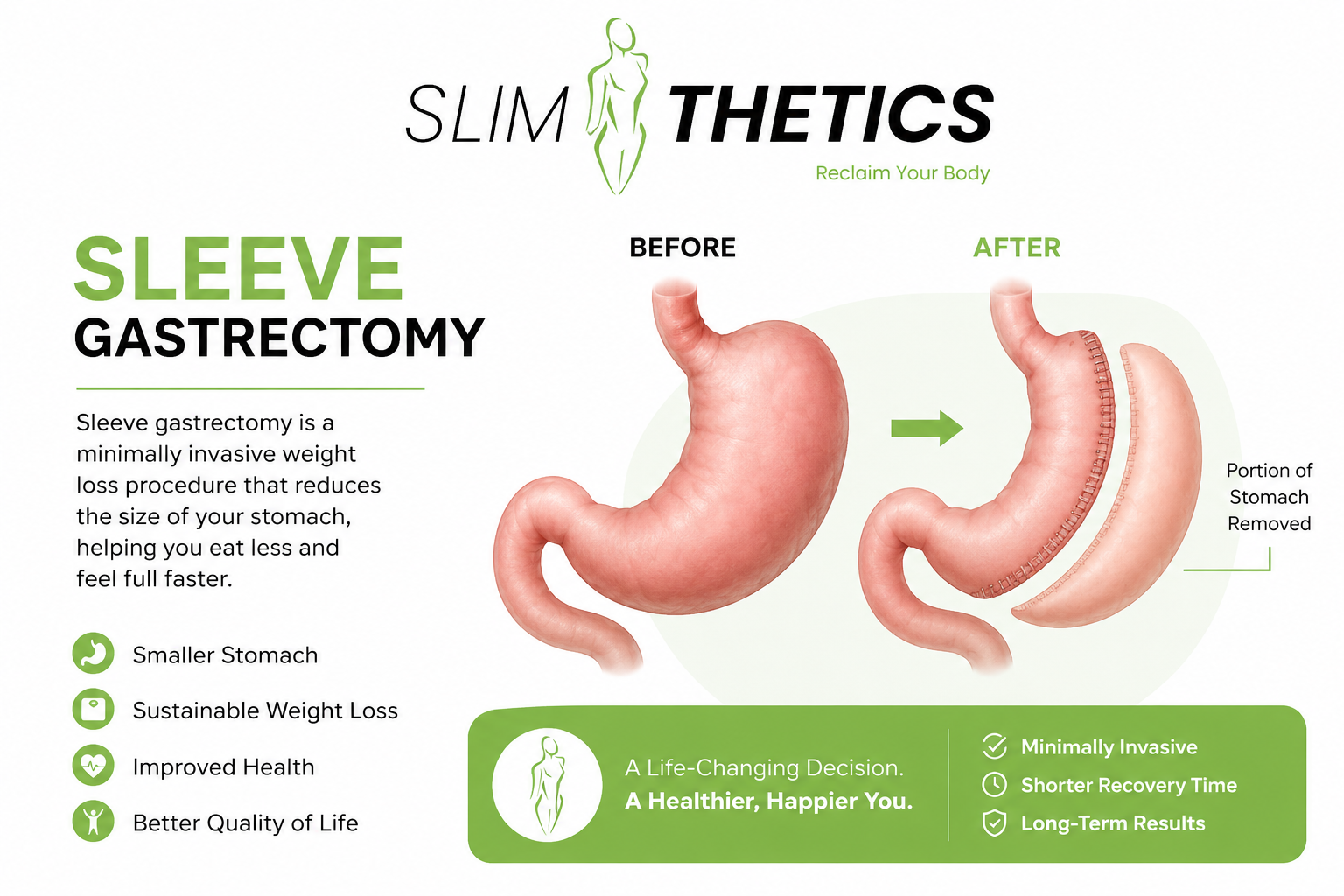
Sleeve gastrectomy, also known as gastric sleeve surgery, is a minimally invasive bariatric procedure that removes approximately 75–80% of the stomach. The remaining portion forms a narrow, tube-shaped stomach, commonly called a "sleeve."
This smaller stomach limits food intake while also reducing the production of ghrelin, the hormone responsible for hunger. As a result, patients feel full after eating smaller portions and experience reduced appetite throughout the day.
Key Benefits of Sleeve Gastrectomy
- Encourages significant long-term weight loss.
- Reduces appetite naturally.
- Improves obesity-related health conditions.
- Requires no intestinal bypass.
- Performed using minimally invasive laparoscopic techniques.
- Allows patients to enjoy a healthier lifestyle with proper dietary habits.
Who Is a Suitable Candidate?
Not everyone struggling with weight requires bariatric surgery. A thorough medical evaluation helps determine whether sleeve gastrectomy is the right treatment.
You may be a suitable candidate if you:
- Have a Body Mass Index (BMI) of 35 or higher.
- Have a BMI above 30 with obesity-related diseases.
- Have attempted diet and exercise without lasting success.
- Are committed to long-term lifestyle changes.
- Understand the responsibilities that come after surgery.
Every patient's health condition is unique, which is why consultation with an experienced bariatric surgeon is essential before making a decision.
Why Preparation Before Surgery Matters
Successful bariatric surgery begins long before entering the operating room.
Preparing your body and mind helps reduce surgical risks while improving recovery and long-term weight-loss outcomes.
Proper preparation helps you:
- Lower the risk of complications.
- Improve liver size before surgery.
- Recover more comfortably.
- Build healthy eating habits.
- Understand life after surgery.
- Increase long-term success.
Patients who carefully follow pre-operative instructions generally experience smoother recoveries and better overall outcomes.
Medical Evaluation Before Surgery
Before scheduling surgery, your surgeon will perform a comprehensive assessment of your health.
Medical examinations may include:
- Complete physical examination.
- Blood investigations.
- ECG and cardiac assessment.
- Chest examination if required.
- Nutritional assessment.
- Psychological evaluation.
- Review of previous medical history.
- Medication assessment.
These evaluations ensure that surgery is safe and tailored to your individual health needs.
Preparing Your Diet Before Sleeve Gastrectomy
One of the biggest parts of surgical preparation is following a medically supervised pre-operative diet.
Many surgeons recommend a high-protein, low-carbohydrate diet for one to three weeks before surgery.
The goals include:
- Reducing liver size.
- Lowering abdominal fat.
- Making surgery technically safer.
- Improving surgical visibility.
- Reducing recovery complications.
Foods commonly recommended
- Lean chicken
- Fish
- Eggs
- Low-fat yogurt
- Cottage cheese
- Protein shakes
- Fresh vegetables
- Plenty of water
Foods to avoid
- Sugary beverages
- Fried foods
- Fast food
- White bread
- Cakes
- Pastries
- Carbonated drinks
- Alcohol
Following these recommendations helps optimize your body for surgery.
Lifestyle Changes Before Surgery
Lifestyle modifications greatly improve surgical safety and long-term results.
Important lifestyle changes include:
- Stop smoking several weeks before surgery.
- Avoid alcohol consumption.
- Begin light daily walking.
- Improve sleeping habits.
- Stay hydrated.
- Follow your prescribed nutrition plan.
- Reduce processed foods.
- Practice mindful eating.
Small changes made before surgery often become lifelong healthy habits afterward.
Mental Preparation Is Equally Important
Weight-loss surgery changes much more than your stomach.
It changes eating habits, routines, emotional relationships with food, and daily lifestyle choices.
Mental preparation involves:
- Setting realistic expectations.
- Understanding gradual weight loss.
- Learning healthy coping mechanisms.
- Accepting dietary restrictions.
- Preparing for lifestyle adjustments.
Patients who develop a positive mindset before surgery often adapt more successfully afterward.
Questions to Ask Your Surgeon
Being informed helps you make confident decisions.
Consider asking:
- Am I an ideal candidate?
- What results should I realistically expect?
- What are the risks involved?
- How long will recovery take?
- When can I return to work?
- What foods can I eat after surgery?
- Will I require vitamin supplements?
- How often are follow-up visits scheduled?
Never hesitate to ask questions during your consultation.
What to Pack for Surgery
Preparing beforehand makes your hospital stay more comfortable.
Pack essentials such as:
- Comfortable loose clothing.
- Personal hygiene items.
- Medical documents.
- Insurance information.
- Prescribed medications.
- Mobile phone charger.
- Slip-resistant footwear.
Keeping everything ready reduces unnecessary stress on surgery day.
What Happens on Surgery Day?
On the day of surgery, the medical team will guide you through every step.
Generally, the process includes:
Before surgery
- Admission paperwork.
- Final health assessment.
- IV line placement.
- Meeting the anesthesia team.
During surgery
- General anesthesia is administered.
- Several tiny incisions are made.
- Most of the stomach is carefully removed.
- The remaining stomach is shaped into a sleeve.
- The incisions are closed.
The procedure usually takes between one and two hours depending on individual circumstances.
Recovery After Sleeve Gastrectomy
Recovery is gradual and carefully monitored.
Most patients begin walking within hours after surgery, which helps reduce complications and promotes healing.
Recovery milestones
First Week
- Liquid diet.
- Mild soreness.
- Walking encouraged.
- Hydration becomes the priority.
Weeks Two to Four
- Pureed foods introduced.
- Energy gradually improves.
- Daily activities increase.
One to Three Months
- Soft foods transition to regular healthy meals.
- Noticeable weight loss begins.
- Exercise gradually increases.
Recovery timelines vary from patient to patient, so always follow your surgeon's instructions.
Life After Surgery
Sleeve gastrectomy is a powerful tool, but lasting success depends on healthy habits.
Long-term recommendations
- Eat protein first.
- Drink enough water daily.
- Take prescribed vitamins.
- Exercise regularly.
- Attend follow-up appointments.
- Avoid sugary drinks.
- Practice portion control.
- Maintain consistent sleep.
These habits help maximize weight-loss results while protecting your long-term health.
Common Benefits Patients Experience
Many patients notice improvements beyond weight loss.
Possible health improvements include:
- Better blood sugar control.
- Reduced blood pressure.
- Improved cholesterol levels.
- Better mobility.
- Less joint pain.
- Improved sleep quality.
- Increased confidence.
- Higher energy levels.
- Better quality of life.
Results vary depending on commitment to healthy lifestyle habits.
Possible Risks and Complications
Like any surgical procedure, sleeve gastrectomy carries some risks, although serious complications are relatively uncommon when performed by experienced surgeons.
Potential risks include:
- Bleeding.
- Infection.
- Blood clots.
- Staple line leakage.
- Acid reflux.
- Vitamin deficiencies.
- Temporary nausea.
- Dehydration.
Following medical advice before and after surgery significantly reduces these risks.
Why Choosing the Right Bariatric Clinic Matters
Selecting an experienced bariatric team can greatly influence both your surgical experience and long-term success.
When comparing clinics, consider:
- Surgeon's qualifications.
- Experience with bariatric procedures.
- Modern surgical facilities.
- Patient safety standards.
- Nutritional counseling.
- Long-term follow-up care.
- Positive patient outcomes.
- Personalized treatment plans.
Choosing a clinic that offers comprehensive care ensures you receive support throughout your entire weight-loss journey.
Final Thoughts
Preparing for sleeve gastrectomy involves much more than simply scheduling surgery. It requires commitment, education, healthy lifestyle changes, and close collaboration with an experienced bariatric team. By understanding each step of the preparation process—from medical evaluations and dietary adjustments to recovery expectations—you can approach surgery with confidence and realistic expectations.
If you are considering weight-loss surgery and want expert guidance throughout every stage of your journey, Slimthetics Clinic provides comprehensive bariatric care with personalized treatment plans, experienced surgeons, advanced surgical techniques, nutritional counseling, and dedicated follow-up support. Whether you're exploring your options or ready to take the next step, Slimthetics Clinic is committed to helping you achieve safer surgery, sustainable weight loss, and a healthier future.

 English
 Arabic
 French
 Spanish
 Portuguese
 Deutsch
 Turkish
 Dutch
Dutch
 Russian
 Romaian
 Portuguese (Brazil)
 Greek
Greek
