
What Are the Possible Side Effects of Botox Injections?
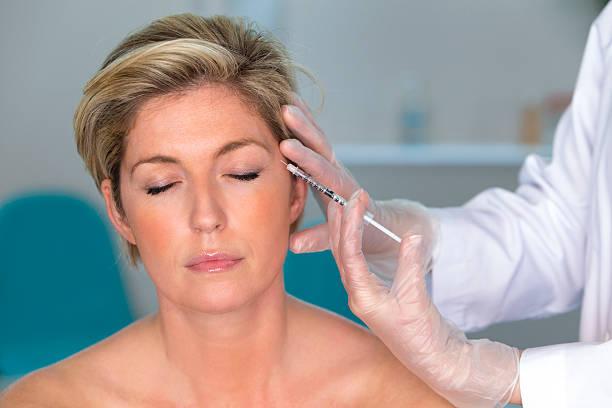
Botox is a widely used non-surgical cosmetic treatment that helps reduce the appearance of expression-related wrinkles by temporarily relaxing selected facial muscles. Although many people tolerate the procedure well, it is important to understand the possible side effects before choosing treatment. If you are considering Botox injections in Riyadh (حقن البوتوكس في الرياض), learning about common reactions, potential complications, and appropriate aftercare can help you make an informed decision. Most side effects are mild and temporary, but some rare complications require medical attention.
Before receiving Botox injections in Riyadh, patients should discuss their medical history, medications, allergies, and aesthetic goals with a qualified healthcare professional. Botox is generally considered safe when administered appropriately, but individual responses can vary. Understanding what may happen after treatment helps you recognize normal injection-related effects and identify symptoms that should not be ignored.
What Are the Common Side Effects of Botox?
Most side effects associated with cosmetic Botox are temporary and occur around the injection sites. They may develop shortly after treatment and usually improve without requiring extensive medical care.
Common side effects include:
-
Redness: Small areas of redness may appear where the injections were administered.
-
Swelling: Mild swelling or small raised bumps can develop around injection points.
-
Bruising: Tiny blood vessels may be affected by the needle, causing temporary bruising.
-
Tenderness: The treated areas may feel slightly sensitive or uncomfortable.
-
Headache: Some individuals experience a mild headache after treatment.
-
Temporary discomfort: A brief stinging or pinching sensation may occur during or after the injections.
These effects generally settle within hours or a few days, although bruising may take longer to disappear.
Can Botox Cause Headaches?
Some patients experience a headache after Botox treatment. It may be mild and temporary, particularly during the initial period following injections.
The exact reason can vary and may relate to the injection process, muscle changes, or individual sensitivity. If headaches become severe, persistent, or unusual, seek medical advice rather than assuming they are a normal reaction.
Can Botox Cause Drooping Eyelids or Eyebrows?
One possible complication of Botox is temporary eyelid or eyebrow drooping, also known as ptosis. It can occur if the product affects muscles beyond the intended treatment area.
This side effect may change the appearance of the eyes or eyebrows and can be concerning for patients. Appropriate injection placement and a thorough understanding of facial anatomy help reduce the risk, but they cannot eliminate it completely.
If you notice eyelid or eyebrow drooping after treatment, contact your practitioner for an assessment.
Can Botox Make Your Face Look Uneven?
Botox may sometimes produce temporary facial asymmetry if different muscles respond differently or the treatment affects muscle activity unevenly.
Possible changes include:
-
Uneven eyebrow positioning.
-
Differences in forehead movement.
-
An asymmetrical smile.
-
Unexpected changes in facial expressions.
These effects depend on the injection area, dosage, muscle anatomy, and individual response. A qualified practitioner can assess the facial muscles and recommend an appropriate treatment approach.
Are There Any Serious Side Effects of Botox?
Serious complications from cosmetic Botox are uncommon, but they are important to understand before treatment. In rare cases, the effects of botulinum toxin may spread beyond the injection area and cause symptoms associated with distant toxin effects.
Warning signs can include:
-
Generalized muscle weakness.
-
Difficulty swallowing.
-
Difficulty speaking.
-
Difficulty breathing.
-
Double or blurred vision.
Seek urgent medical attention if you experience difficulty breathing, swallowing, or speaking, or significant generalized weakness after Botox treatment. Do not wait for these symptoms to improve on their own.
Who May Have a Higher Risk of Botox Side Effects?
Botox may not be appropriate for everyone. Certain medical conditions, allergies, and circumstances can increase the risk of complications or require additional assessment.
You should discuss treatment carefully with your healthcare professional if you:
-
Have a known allergy to any Botox ingredient.
-
Have a neuromuscular disorder.
-
Have an infection or skin inflammation near the intended injection area.
-
Are pregnant or breastfeeding.
-
Take medications that may affect muscle activity or neuromuscular transmission.
-
Have experienced complications from previous botulinum toxin treatments.
This information helps the practitioner determine whether treatment is suitable or whether it should be postponed.
How Can You Reduce the Risk of Botox Side Effects?
Although no cosmetic procedure is completely free of risk, taking appropriate precautions can help reduce avoidable complications.
Consider the following recommendations:
-
Choose a qualified professional: Select an appropriately licensed healthcare professional with experience in facial anatomy and injectable treatments.
-
Share your medical history: Explain any health conditions, allergies, medications, and previous cosmetic procedures.
-
Discuss realistic expectations: Make sure you understand the possible benefits, limitations, and risks.
-
Follow aftercare instructions: Avoid unnecessary pressure or rubbing around the injection sites and follow the guidance provided.
-
Attend follow-up appointments: Allow your practitioner to assess your response and address any concerns.
Avoid receiving injections from unqualified providers or using products that have not been appropriately sourced.
How Long Do Botox Side Effects Last?
The duration of side effects depends on their type and severity. Mild redness, swelling, and tenderness often improve within a few hours or days. Bruising may take several days or occasionally longer to fade.
Other effects, such as eyelid drooping or unwanted changes in muscle movement, may last longer and require professional evaluation. Your practitioner can explain what to expect based on the specific complication and your individual response.
When Should You Contact a Doctor After Botox?
You should contact your healthcare provider if you experience persistent pain, worsening swelling, unusual facial changes, or symptoms that concern you.
Seek emergency medical attention for difficulty breathing, swallowing, or speaking, or generalized muscle weakness. Prompt evaluation is important because serious complications require appropriate medical care.
Book Your Botox Consultation at Royal Clinic Saudia
Understanding the possible side effects is an important part of making an informed decision about cosmetic treatment. At Royal Clinic Saudia (عيادات رويال كلينك), you can discuss your aesthetic goals, medical history, and concerns with the clinic's professionals before considering Botox. Schedule a consultation to learn about the procedure, its potential risks, and the precautions that may help support a safe treatment experience.
FAQs:
Are Botox side effects permanent?
Most common side effects, such as mild redness, swelling, and bruising, are temporary. Some complications may last longer, so professional assessment is important if unexpected symptoms develop.
Can Botox cause an allergic reaction?
Yes, although allergic reactions are uncommon. Symptoms may include itching, rash, swelling, or difficulty breathing. Severe allergic symptoms require immediate emergency medical attention.
Can Botox cause facial paralysis?
Botox temporarily reduces activity in selected muscles rather than causing permanent facial paralysis. However, unwanted weakness or changes in facial movement can occur if the product affects unintended muscles.
Is it normal to have swelling after Botox injections?
Mild swelling around injection points can occur and usually settles within a short period. If swelling becomes severe, worsens, or is accompanied by other concerning symptoms, contact your healthcare provider.

 English
 French
 Spanish
 Portuguese
 Deutsch
 Turkish
 Dutch
 Italiano
 Russian
 Romaian
 Portuguese (Brazil)
 Greek
