
Discover the Benefits of Early Hair Loss Treatment for Women
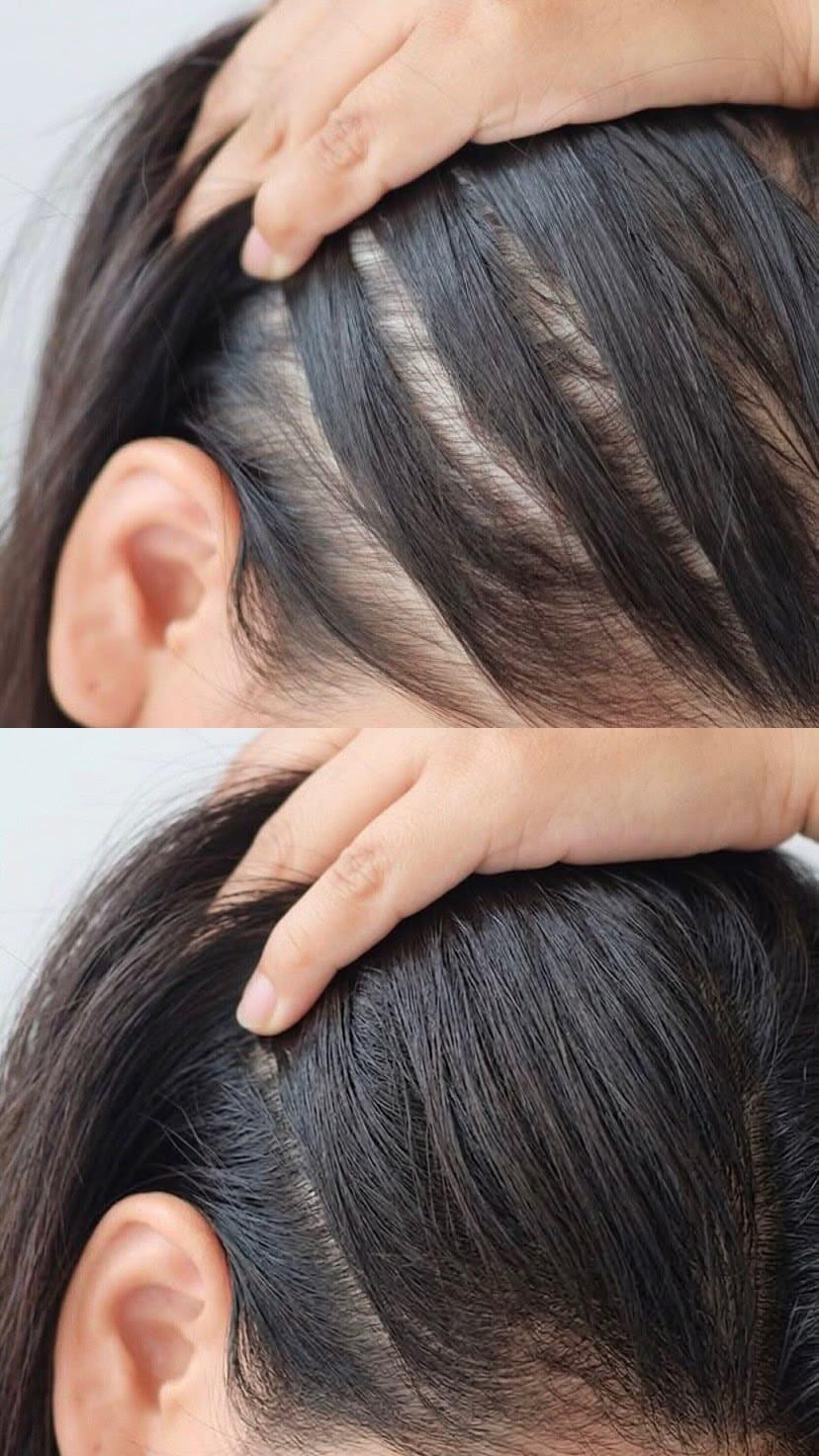
Hair plays an important role in personal appearance and confidence. For many women, noticing increased hair shedding, a widening hair part, or thinning around the crown can be upsetting. Although losing some hair every day is normal, persistent or excessive hair loss deserves attention. Identifying the problem early can help women understand its cause and explore suitable treatment options before thinning becomes more noticeable.
Early care does not guarantee complete hair restoration, but it can make a meaningful difference in managing certain types of hair loss. With professional assessment and an appropriate treatment plan, women can take informed steps toward healthier-looking hair. Female Hair Loss treatment in Islamabad offers access to professional consultations and different approaches based on individual hair and scalp needs.
Why Early Hair Loss Treatment Matters
Hair loss can develop gradually, making it easy to overlook the first signs. Some women notice more hair on their pillows, brushes, or shower floors, while others see their central part becoming wider. Early assessment helps identify whether the changes are temporary or related to an ongoing condition.
Female pattern hair loss, hormonal changes, nutritional deficiencies, stress, and certain medical conditions can all contribute to thinning. These causes require different approaches, so understanding the underlying issue is an important first step.
Seeking advice early may also help prevent unnecessary use of unsuitable products or supplements. Instead of trying multiple remedies without a clear diagnosis, women can receive guidance based on their individual circumstances.
Common Signs of Hair Loss in Women
Recognizing early symptoms can help women seek appropriate advice. Common signs include:
-
Gradual thinning around the crown or top of the scalp.
-
A wider-looking central hair part.
-
Increased hair shedding during washing or brushing.
-
A smaller-looking ponytail due to reduced hair volume.
-
Hair that appears weaker or less dense than before.
-
Receding hair around the temples or hairline.
Not every sign indicates permanent hair loss. Temporary shedding can occur after illness, childbirth, emotional stress, or significant physical changes. However, persistent symptoms should be evaluated by a qualified professional.
Understanding the Causes of Female Hair Loss
An effective treatment plan begins with identifying why hair is thinning. Female pattern hair loss is one common cause and may be influenced by genetics and hormonal sensitivity. It often develops gradually and causes reduced density around the crown and central part.
Other possible causes include iron deficiency, thyroid disorders, hormonal changes, restrictive diets, and prolonged stress. Certain medications and scalp conditions may also affect normal hair growth.
Hairstyling habits can contribute as well. Frequently wearing tight hairstyles, using excessive heat, or applying harsh chemical treatments may weaken hair and cause breakage or traction-related loss.
A professional consultation can help distinguish between shedding, breakage, and conditions affecting hair follicles.
Benefits of Starting Treatment Early
Early attention can offer several advantages, depending on the cause of hair loss.
Identifying the underlying cause: Professional assessment can help determine whether thinning is linked to hormonal changes, nutritional problems, scalp conditions, or hereditary factors.
Supporting existing hair: Some treatments are more useful when hair follicles are still active. Addressing certain conditions early may help preserve existing density.
Reducing avoidable damage: Guidance about hair care, styling, and scalp health can help women avoid habits that contribute to breakage or traction-related loss.
Choosing appropriate treatments: An early diagnosis allows a specialist to discuss suitable options rather than relying on unverified products.
Improving confidence: Having a clear explanation and management plan may reduce uncertainty and help women feel more comfortable addressing their concerns.
Results depend on the diagnosis, treatment choice, consistency, and individual response.
Modern Treatment Options for Women
Treatment depends on the type and severity of hair loss. A professional may recommend one approach or a combination of options.
Topical minoxidil is commonly used for female pattern hair loss. It may help support hair growth in suitable patients, but regular use is generally necessary to maintain benefits. Some people experience temporary increased shedding or scalp irritation when starting treatment. Medical guidance is important, particularly during pregnancy or breastfeeding.
Platelet-rich plasma (PRP) therapy is another option offered by some clinics. It uses a preparation made from the patient's own blood, which is administered into the scalp. Research is ongoing, and results vary between individuals. Several sessions may be recommended.
Low-level light therapy may also be considered in selected cases. It is a non-invasive approach that uses specific light wavelengths, although consistent use and realistic expectations are important.
If hair loss is caused by an underlying medical or nutritional condition, treating that issue may be more appropriate than starting a cosmetic hair procedure.
The Importance of Professional Assessment
Before choosing a treatment, women should have their hair loss evaluated. A consultation may include a medical history, scalp examination, and discussion of changes in shedding, diet, medication, and hormonal health.
Depending on the symptoms, a specialist may recommend blood tests to check factors such as iron levels or thyroid function. Scalp examination or trichoscopy may help assess hair density and follicle condition.
This process helps create a plan that addresses the actual cause rather than simply treating visible thinning.
Maintaining Healthy Hair After Treatment
Professional treatment works best when supported by sensible daily habits. Women can help protect their hair by eating a balanced diet with adequate protein, avoiding overly tight hairstyles, and limiting excessive heat styling.
Gentle shampooing and careful brushing can reduce unnecessary breakage. It is also important to avoid taking high-dose vitamins or supplements without confirming a deficiency, as excessive amounts of certain nutrients may cause problems.
Follow-up appointments can help assess progress and determine whether the treatment plan needs adjustment. Hair growth is gradual, so patience and consistency are essential.
Choosing Female Hair Loss Treatment in Islamabad
Women considering professional care should look for a clinic that offers proper assessment, explains available options, and discusses potential risks and limitations. A suitable plan should reflect the patient's medical history, hair condition, expectations, and diagnosis.
At Enfield Royal Clinic, women can discuss their hair concerns and explore available treatment options with a qualified doctor. The most appropriate approach should always be selected after an individual consultation.
Early attention can help women make informed decisions and take practical steps toward managing hair thinning. While no treatment can promise the same results for everyone, understanding the cause is an important starting point.
Frequently Asked Questions
1. When should I consider Female Hair Loss treatment in Islamabad?
You should consider professional assessment when hair shedding continues, your central part becomes wider, or you notice gradual thinning. Early evaluation can help identify the cause and suitable options.
2. Can Female Hair Loss treatment in Islamabad prevent further thinning?
Some treatments may help slow or manage certain types of hair loss, particularly when started appropriately. Results depend on the underlying condition and individual response.
3. Which options are available for Female Hair Loss treatment in Islamabad?
Options may include topical minoxidil, PRP therapy, low-level light therapy, or treatment of an underlying medical condition. A specialist can recommend an approach after examining your scalp and medical history.
4. How long does Female Hair Loss treatment in Islamabad take to show results?
Hair treatments often require several months before changes can be assessed. The timeline varies according to the cause, treatment method, and individual response. Regular follow-up helps monitor progress.
For more information visit
Enfield royal clinic in islamabad

 English
 Arabic
 French
 Spanish
 Portuguese
 Deutsch
 Turkish
 Dutch
 Italiano
 Russian
 Romaian
 Portuguese (Brazil)
