
Pelvic Inflammatory Disease (PID) – Symptoms, Causes, Diagnosis, Treatment, and Prevention
Introduction
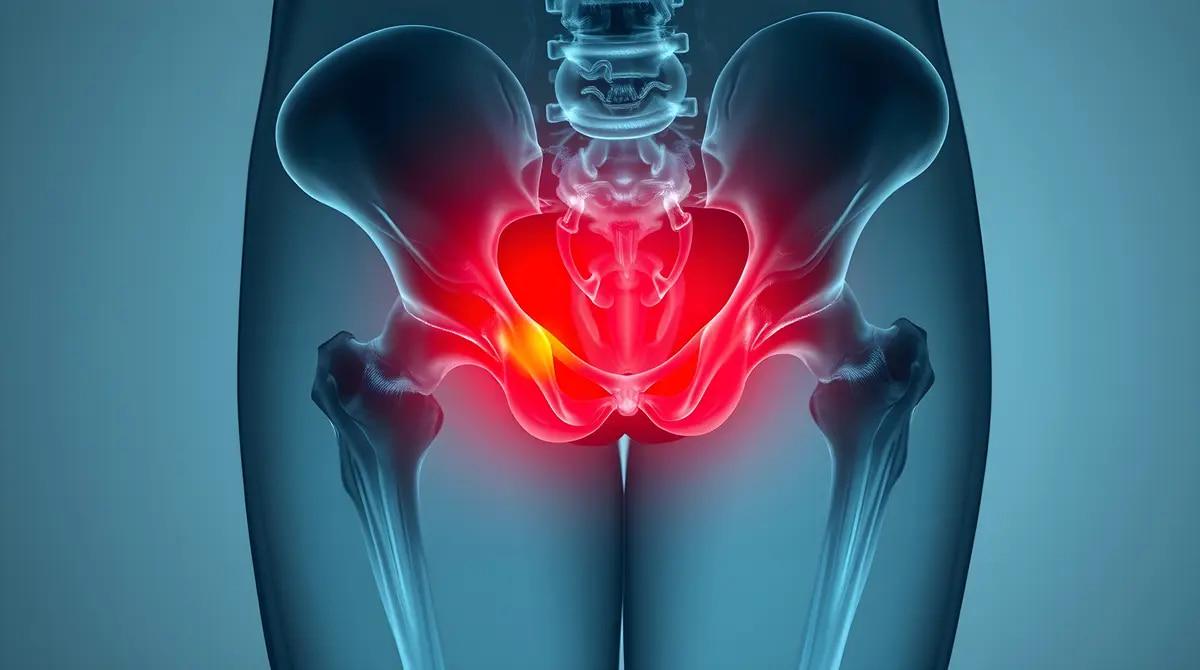
Pelvic Inflammatory Disease (PID) is a serious infection of the female reproductive organs, including the uterus, fallopian tubes, and ovaries. It usually occurs when bacteria from the vagina or cervix travel upward into the upper genital tract. If left untreated, PID can cause long-term complications such as chronic pelvic pain, ectopic pregnancy, and infertility. The condition is most commonly associated with sexually transmitted infections (STIs), but it can also develop after childbirth, abortion, or certain gynecological procedures. Early detection and treatment are essential to prevent permanent damage. This article explains PID in detail, including its symptoms, causes, risk factors, diagnosis, treatment options, and prevention methods.
What is Pelvic Inflammatory Disease (PID)?
Pelvic Inflammatory Disease is an infection and inflammation of the upper female reproductive system. It is usually caused by bacteria spreading from the lower genital tract to the uterus, fallopian tubes, or ovaries. The most common bacteria involved are those responsible for sexually transmitted infections such as Chlamydia trachomatis and Neisseria gonorrhoeae.
PID can range from mild to severe. In mild cases, symptoms may go unnoticed, while severe cases can lead to significant reproductive organ damage. Because of this silent progression, many women do not realize they have PID until complications occur.
Causes of Pelvic Inflammatory Disease
PID is primarily caused by bacterial infections that travel from the vagina or cervix into the upper reproductive organs. The most common cause is untreated sexually transmitted infections, especially chlamydia and gonorrhea.
Other causes include bacterial imbalance in the vagina, postpartum infections after childbirth, infections after abortion or miscarriage, and contamination following intrauterine device (IUD) insertion. Multiple sexual partners or unprotected sex also increase the risk significantly.
In some cases, PID may develop without any identifiable infection, but this is less common. The condition often results from a combination of bacterial exposure and weakened immune defenses in the reproductive tract.
Symptoms of Pelvic Inflammatory Disease
PID symptoms can vary widely depending on the severity of the infection. Some women may have no noticeable symptoms, while others experience significant discomfort.
Common symptoms include lower abdominal or pelvic pain, abnormal vaginal discharge with a foul smell, painful urination, and irregular menstrual bleeding. Pain during intercourse is also a frequent complaint. Some women may experience fever, chills, nausea, or fatigue in more advanced cases.
Because symptoms can be mild or mistaken for other conditions, PID often goes undiagnosed until complications arise. This makes awareness and early medical consultation extremely important.
Risk Factors for PID
Several factors increase the likelihood of developing PID. Being sexually active at a young age, having multiple sexual partners, and not using barrier protection like condoms significantly raise the risk.
A history of sexually transmitted infections also increases susceptibility. Women who have previously had PID are more likely to experience recurrence. Recent gynecological procedures, such as IUD insertion or surgical abortions, may also increase the risk if proper sterilization is not maintained.
Weak immune response, poor genital hygiene, and untreated vaginal infections can further contribute to the development of PID.
Complications of Untreated PID
If PID is not treated promptly, it can lead to serious long-term health issues. One of the most significant complications is infertility due to damage and scarring of the fallopian tubes.
Ectopic pregnancy is another major risk, where a fertilized egg implants outside the uterus, often in a damaged fallopian tube. Chronic pelvic pain is also common, which can significantly affect quality of life.
In severe cases, infection may spread to the bloodstream, leading to a life-threatening condition called sepsis. Early diagnosis and treatment are crucial to prevent these complications.
Diagnosis of Pelvic Inflammatory Disease
Diagnosis of PID is based on symptoms, physical examination, and laboratory tests. A gynecologist may perform a pelvic exam to check for tenderness in the uterus, ovaries, or fallopian tubes.
Laboratory tests include urine tests, vaginal swabs, and cervical cultures to identify bacterial infections. Blood tests may also be used to detect signs of inflammation or infection.
In some cases, ultrasound imaging or laparoscopy is performed to examine the reproductive organs in detail. Early diagnosis is important to prevent permanent damage.
Treatment Options for PID
Treatment of PID primarily involves antibiotics to eliminate bacterial infection. Doctors usually prescribe a combination of antibiotics to cover a wide range of bacteria, including sexually transmitted pathogens.
In mild cases, oral antibiotics may be sufficient. However, severe infections may require hospitalization and intravenous antibiotics. Pain relief medications are also used to manage discomfort.
It is important that sexual partners are also treated to prevent reinfection. In advanced cases where abscesses form or organ damage occurs, surgical intervention may be necessary.
Prevention of Pelvic Inflammatory Disease
Preventing PID involves reducing the risk of sexually transmitted infections and maintaining good reproductive health. Using condoms during sexual activity significantly lowers the risk of infection.
Regular screening for STIs is important, especially for sexually active women with multiple partners. Avoiding douching and unnecessary vaginal products can also help maintain healthy vaginal flora.
Timely treatment of any vaginal infection and following proper hygiene practices are essential preventive measures. Education and awareness play a key role in reducing PID cases globally.
Book Online Appointment with Best Gynecologist via Instacare
If you are experiencing pelvic pain, unusual discharge, or symptoms of infection, it is important to seek medical advice early. You can easily book an online consultation with the best gynecologist through Instacare. Experienced specialists can help diagnose pelvic inflammatory disease accurately and provide effective treatment plans to protect your reproductive health and fertility.
Conclusion
Pelvic Inflammatory Disease is a serious but preventable condition that affects the female reproductive system. It often develops silently, making early awareness and diagnosis extremely important. If left untreated, PID can lead to infertility, chronic pain, and other severe complications.
The good news is that PID can be effectively treated with antibiotics if detected early. Preventive measures such as safe sexual practices, regular medical checkups, and prompt treatment of infections play a vital role in protecting reproductive health.
Understanding PID empowers women to take control of their health and seek timely care when needed, ensuring long-term wellness and fertility protection.
Frequently Asked Questions (FAQs)
1. What is the main cause of pelvic inflammatory disease?
The most common cause is untreated sexually transmitted infections, especially chlamydia and gonorrhea.
2. Can PID go away on its own?
No, PID requires medical treatment. Without antibiotics, it can worsen and cause serious complications.
3. Is PID always caused by STIs?
No, although STIs are the main cause, PID can also result from childbirth, abortion, or gynecological procedures.
4. Can PID affect fertility?
Yes, untreated PID can damage fallopian tubes and lead to infertility or ectopic pregnancy.
5. How can PID be prevented?
Safe sex practices, regular STI screening, and early treatment of infections can significantly reduce the risk.

 English
 Arabic
 French
 Spanish
 Portuguese
 Deutsch
 Turkish
 Italiano
 Russian
 Romaian
 Portuguese (Brazil)
 Greek
Greek
