
Latest Exhibition Booth Design Trends That Will Dominate Trade Shows in 2026
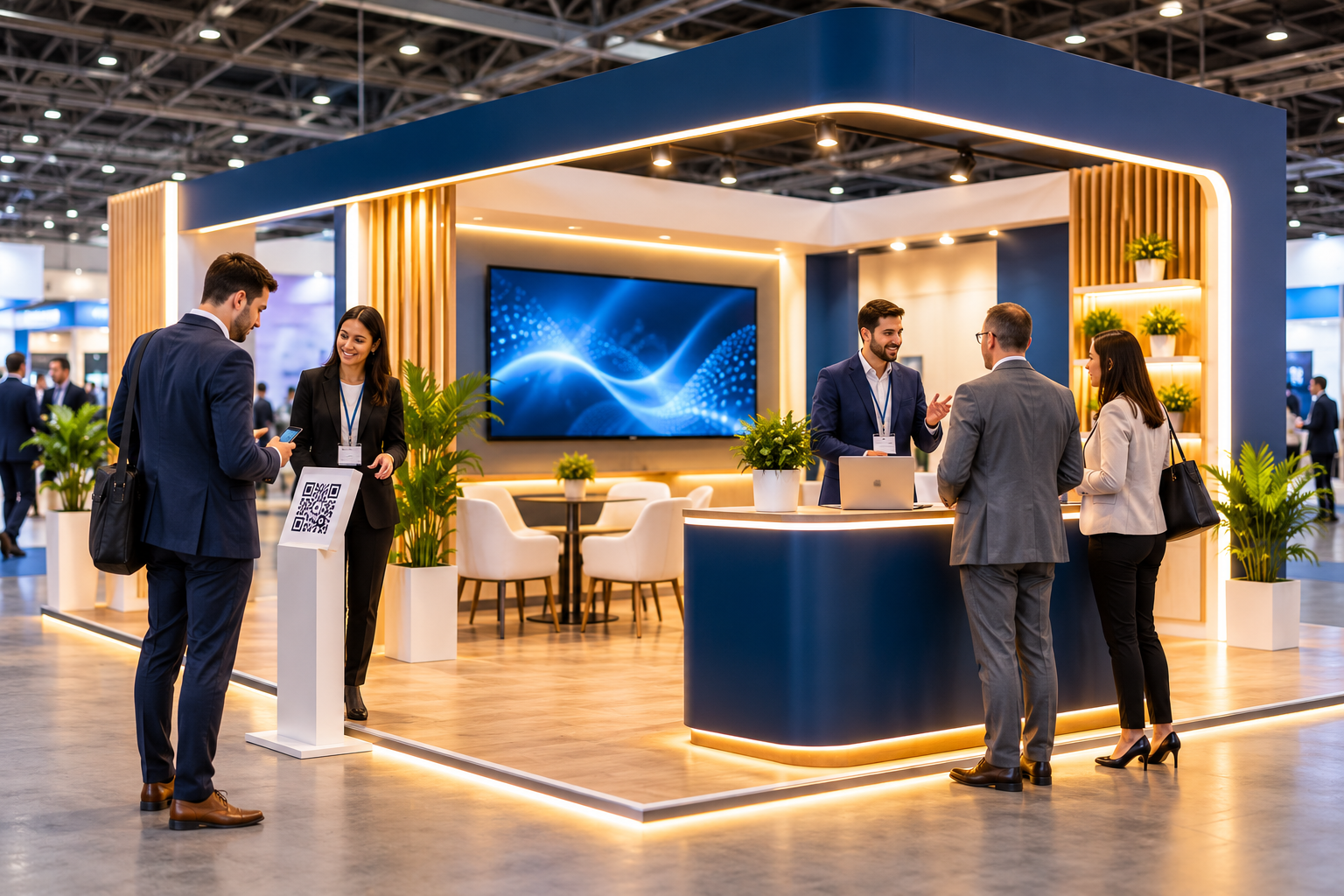
The exhibition industry continues to evolve as businesses look for creative ways to attract visitors, communicate their brand identity, and generate meaningful business opportunities. In 2026, exhibition booth design is becoming more experience-driven, technology-focused, sustainable, and adaptable. Companies are moving beyond traditional product displays and investing in engaging spaces that encourage interaction. Professional Exhibition Booth Builders help brands incorporate modern design ideas into practical exhibition environments that meet their marketing objectives. Understanding the latest trends can help businesses plan more effective booths and create stronger impressions at upcoming trade shows.
1. Experience-Driven Exhibition Booth Designs
One of the most important exhibition trends in 2026 is the shift from display-focused booths to experience-driven environments.
Instead of simply presenting products, businesses are creating spaces where visitors can interact with their brands. These experiences may include live demonstrations, interactive presentations, product testing, and immersive brand storytelling.
For example, a technology company can create a demonstration area where visitors explore product features. A consumer brand can offer product-testing stations that allow potential customers to experience the product directly.
Experience-driven designs help businesses:
-
Encourage visitor participation.
-
Increase engagement time.
-
Communicate product benefits clearly.
-
Create memorable brand interactions.
-
Support meaningful conversations.
The key is to design experiences that connect directly with your products and business objectives.
2. Sustainable and Eco-Friendly Booth Construction
Sustainability is becoming an important consideration for businesses planning exhibitions. Companies are increasingly looking for ways to reduce material waste, reuse booth components, and make more responsible design decisions.
In 2026, sustainable booth construction continues to influence material selection and exhibition planning.
Popular approaches include:
-
Reusable modular structures
-
Recycled aluminum components
-
Recyclable display materials
-
Fabric graphics with reuse potential
-
Energy-efficient LED lighting
-
Digitally distributed brochures
-
Reduced single-use decorative materials
Sustainable design does not mean sacrificing visual quality. Reusable structures and carefully selected materials can create modern, professional exhibition spaces.
Businesses should also ask suppliers about material sourcing, disposal procedures, and the practical environmental benefits of proposed solutions.
3. Minimalist Booth Designs with Clear Messaging
Minimalism remains a strong design direction because visitors often have limited time to explore exhibition spaces.
A clean booth with focused messaging can communicate a brand's value more effectively than a crowded display.
Minimalist designs typically include:
-
Simple architectural structures
-
Limited color palettes
-
Clear typography
-
Carefully positioned logos
-
Open visitor pathways
-
Focused product displays
-
Minimal decorative elements
The objective is to remove unnecessary distractions and make important information easier to understand.
For example, a booth promoting a single flagship product may use one large product display, a concise headline, and a dedicated demonstration area.
4. Interactive Digital Displays
Digital technology continues to influence how businesses present their products and services.
Large screens, touch-enabled displays, and interactive presentations can help exhibitors communicate complex information in engaging ways.
Some popular applications include:
Digital product catalogs: Visitors can explore product collections and specifications through touchscreen interfaces.
Video presentations: Screens can display company introductions, manufacturing processes, product demonstrations, and customer stories.
Interactive product comparisons: Visitors can compare different models or service options.
QR-code experiences: Scannable codes can connect visitors to websites, brochures, registration pages, and product information.
Digital lead capture: Electronic forms can help sales teams collect and organize visitor details.
Digital displays should support a clear communication objective. Avoid installing technology that adds complexity without improving the visitor experience.
5. Immersive Brand Experiences with AR and VR
Augmented reality (AR) and virtual reality (VR) offer new ways to demonstrate products and create interactive exhibition experiences.
These technologies are particularly useful when products are too large, complex, expensive, or difficult to transport to an exhibition.
Examples include:
-
Virtual tours of manufacturing facilities
-
AR product demonstrations
-
VR simulations of equipment
-
Interactive building or interior previews
-
Virtual product configuration
-
Digital training demonstrations
For example, an industrial manufacturer can use a virtual demonstration to show how a large machine operates without bringing the complete equipment to the exhibition floor.
However, immersive technology should be selected according to audience needs and available space. The experience should be easy to access and should not create unnecessary waiting times.
6. Modular Booth Systems for Greater Flexibility
Modular booth systems are becoming increasingly useful for businesses participating in multiple exhibitions.
These systems use reusable components that can be rearranged to fit different booth sizes and layouts.
Their advantages include:
-
Flexible configurations
-
Reusable structural components
-
Consistent brand presentation
-
Easier transportation and storage
-
Adaptability across multiple events
-
Potential long-term cost efficiency
Businesses can also combine modular structures with custom graphics, branded counters, lighting, and product displays.
This approach provides design flexibility while supporting more efficient exhibition planning.
7. Bold Architectural Structures
While minimalism is popular, distinctive architectural elements are also attracting attention at major trade shows.
Businesses are experimenting with creative shapes, overhead features, curved walls, layered structures, and visually striking entrance areas.
Examples include:
-
Curved display walls
-
Geometric structures
-
Suspended brand elements
-
Multi-level visual features where permitted
-
Integrated product showcases
-
Sculptural display elements
These features can help create a recognizable booth identity.
However, architectural creativity must remain practical. Every structure should comply with venue regulations, height restrictions, and safety requirements.
8. Personalized Visitor Experiences
Personalization is becoming an important part of exhibition marketing.
Visitors often respond better when the information and demonstrations they receive are relevant to their interests.
Businesses can create more personalized interactions through:
-
Product recommendation stations
-
Digital preference forms
-
Audience-specific presentations
-
Customized product demonstrations
-
Targeted content on digital screens
-
Dedicated consultation areas
For example, a company offering several product categories can organize its booth into separate sections for different customer groups.
This makes it easier for visitors to find relevant information and helps sales representatives conduct more focused conversations.
9. LED Lighting as a Design Feature
Lighting is no longer limited to basic booth illumination. It is increasingly used as an important design element.
LED lighting can highlight products, emphasize architectural details, and create a distinctive atmosphere.
Popular lighting applications include:
-
Backlit logos
-
LED strip lighting
-
Illuminated display counters
-
Accent lighting for products
-
Integrated architectural lighting
-
Dynamic lighting effects
A carefully designed lighting system can improve brand visibility and make the booth more attractive from different viewing angles.
Use lighting thoughtfully. Excessively bright or flashing effects can make the space uncomfortable and distract visitors from important information.
10. Open and Accessible Booth Layouts
Businesses are increasingly prioritizing open booth layouts that make it easier for visitors to enter and explore.
Traditional designs sometimes use large walls or counters that create barriers between exhibitors and attendees.
Modern layouts often feature:
-
Open entrances
-
Multiple access points
-
Clearly defined visitor zones
-
Accessible pathways
-
Visible product displays
-
Comfortable meeting areas
An open layout can create a more welcoming atmosphere and support natural visitor movement.
Designers should also consider accessibility requirements and ensure that important booth areas can be reached comfortably.
11. Multi-Sensory Exhibition Experiences
Exhibition designers are exploring ways to engage visitors through more than visual elements.
A multi-sensory approach may incorporate sound, touch, lighting, and product interaction to create a more engaging experience.
Examples include:
-
Interactive product testing
-
Material sample stations
-
Demonstration sounds
-
Immersive audio presentations
-
Tactile product displays
-
Carefully controlled ambient elements
For instance, a furniture company may allow visitors to touch different materials and test product comfort.
A food brand may provide permitted product samples where event rules allow.
Sensory features should remain relevant to the brand and should not create noise, crowding, or discomfort.
12. Flexible Meeting and Collaboration Areas
Exhibitions are important environments for networking, sales discussions, and business partnerships.
As a result, businesses are giving greater attention to dedicated meeting spaces within their booths.
These areas may include:
-
Small discussion tables
-
Semi-private meeting zones
-
Comfortable seating
-
Integrated charging points
-
Presentation screens
-
Quiet consultation spaces
The design should balance openness with privacy.
A flexible layout can allow the booth to accommodate casual conversations during busy periods and more focused business meetings when required.
13. Smart Storage and Hidden Functional Spaces
A visually attractive booth should also support everyday operations.
Storage is often overlooked during the design process, but it helps keep the exhibition environment organized.
Modern booth designs increasingly incorporate hidden storage areas, integrated cabinets, and multifunctional furniture.
These spaces can hold:
-
Brochures and catalogs
-
Promotional products
-
Staff belongings
-
Product samples
-
Spare equipment
-
Cleaning supplies
-
Packaging materials
Integrated storage keeps operational items out of visitors' sight while ensuring that staff can access them when needed.
14. Large-Format Graphics and Visual Storytelling
Large-format graphics remain a powerful way to attract attention in busy exhibition halls.
However, the trend is moving toward more purposeful visual storytelling rather than simply covering every wall with promotional content.
Effective graphics may feature:
-
Strong brand imagery
-
Short headlines
-
Product-focused visuals
-
Customer success stories
-
Clear value propositions
-
Simple information graphics
A visual story should help visitors understand what your business does and why it matters.
Keep text concise and ensure that important messages can be read from a reasonable distance.
15. Data-Driven Exhibition Design
Businesses are increasingly using performance data to improve their exhibition strategies.
Instead of choosing booth layouts only according to visual preferences, companies can evaluate visitor behavior and event results.
Useful information includes:
-
Visitor traffic patterns
-
Lead collection numbers
-
Popular demonstration areas
-
Meeting conversion rates
-
Product engagement
-
Visitor feedback
-
Cost per qualified lead
This information can help businesses identify which booth elements attract attention and which areas need improvement.
For example, if a product demonstration consistently attracts visitors, future booth designs may allocate more space to that activity.
16. Hybrid Exhibition Experiences
Digital communication has expanded the possibilities of exhibition participation.
Some businesses are incorporating digital features that allow people outside the physical exhibition to access selected presentations and product information.
Hybrid features may include:
-
Live product demonstrations
-
Online appointment scheduling
-
Digital presentation access
-
Virtual product tours
-
Recorded expert sessions
-
Online inquiry forms
These features can help businesses extend their reach beyond visitors physically attending the event.
The digital experience should complement the in-person booth rather than compete with it.
17. Custom Booth Designs for Stronger Brand Differentiation
As exhibition competition increases, businesses are looking for distinctive booth designs that reflect their individual brand identities.
Custom exhibition booths can incorporate specialized structures, tailored product displays, unique graphics, and integrated technology.
Custom designs are particularly useful for:
-
Product launches
-
Major industry exhibitions
-
International trade shows
-
Premium brand presentations
-
Large island booths
-
Specialized product demonstrations
A custom booth can create a recognizable brand environment, but it should be designed around practical requirements and a realistic budget.
Professional Exhibition Booth Builders can help translate a brand's ideas into a design that balances visual impact, functionality, and construction requirements.
18. Natural Elements and Biophilic Design
Natural elements are becoming an interesting feature in contemporary exhibition environments.
Biophilic design incorporates elements inspired by nature to create more comfortable and visually appealing spaces.
Possible design features include:
-
Indoor plants
-
Natural textures
-
Wood-inspired finishes
-
Organic shapes
-
Nature-inspired graphics
-
Green decorative elements
These features can help soften large exhibition structures and create a welcoming atmosphere.
Businesses should select natural elements that are suitable for the venue and easy to maintain throughout the event.
19. Choosing the Right Exhibition Booth Builder in 2026
Following design trends is useful, but successful implementation requires the right exhibition partner.
A professional builder should understand your business objectives, brand identity, event requirements, and budget.
Before selecting a company, consider:
Portfolio: Review completed booth projects and design capabilities.
Industry experience: Check whether the builder has worked with similar businesses or exhibition formats.
Technical knowledge: Confirm familiarity with structural requirements, materials, lighting, and venue regulations.
Project management: Understand how the company handles deadlines and communication.
Service capabilities: Check whether design, fabrication, transportation, installation, and dismantling are included.
Budget transparency: Request a detailed breakdown of project costs.
Choosing a reliable partner helps reduce coordination challenges and improves the chances of delivering the intended design.
20. How to Choose the Right Trends for Your Business
Not every design trend is appropriate for every company.
A successful booth should reflect your business objectives rather than follow trends simply because they are popular.
Use these questions to evaluate design ideas:
-
Does this feature support our exhibition goals?
-
Will our target audience find it useful?
-
Does it communicate our brand identity?
-
Can visitors understand and use it easily?
-
Does it fit the available booth space?
-
Is it within our budget?
-
Can it be reused at future exhibitions?
-
Does it meet venue and safety requirements?
For example, a company focused on technical demonstrations may benefit more from interactive product displays than decorative architectural features.
A business attending several exhibitions may prioritize modular structures and reusable graphics.
The best design trends are those that improve the visitor experience and contribute to measurable business results.
Conclusion
Exhibition booth design in 2026 is moving toward more engaging, flexible, sustainable, and technology-supported experiences. From interactive displays and immersive demonstrations to modular structures and personalized visitor spaces, businesses have many opportunities to create distinctive exhibition environments.
However, following trends alone is not enough. Every design decision should support your brand identity, visitor expectations, operational requirements, and marketing goals. Working with experienced Exhibition Booth Builders can help transform modern design concepts into practical exhibition spaces that attract attention, encourage meaningful interactions, and strengthen your brand presence at trade shows.

 English
 Arabic
 French
 Spanish
 Portuguese
 Deutsch
 Turkish
 Dutch
 Italiano
 Romaian
 Portuguese (Brazil)
 Greek
