
Can a Tummy Tuck Improve a Stomach With Loose Skin but Very Little Fat?
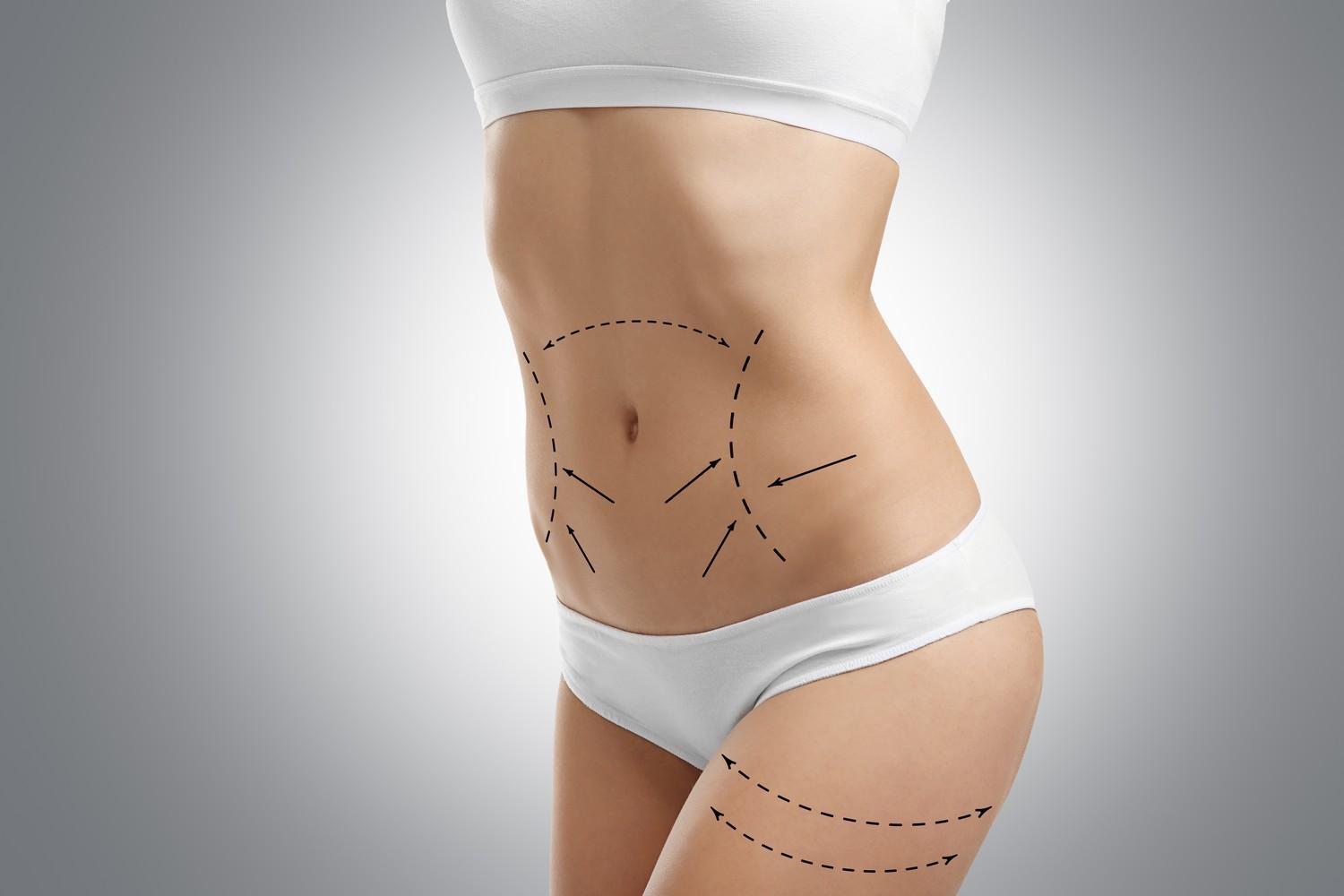
You maintain a healthy weight, exercise regularly, and have very little abdominal fat, yet your stomach still looks loose or wrinkled. Perhaps the skin hangs slightly below your belly button, or folds appear when you sit down. This can be frustrating because losing more weight does not necessarily improve the appearance of stretched abdominal skin. For people considering Tummy Tuck in Islamabad, an important question is whether surgery can help when excess skin, rather than fat, is the main concern.
The answer is yes. In fact, people with relatively low abdominal fat but noticeable skin laxity can be suitable candidates for abdominoplasty. The procedure focuses on removing excess skin and may also address weakened abdominal muscles when necessary. A tummy tuck is not exclusively a fat-removal procedure; correcting loose skin is one of its primary purposes.
Why Can Your Stomach Remain Loose Even When You Have Very Little Fat?
Abdominal skin can stretch during pregnancy, significant weight changes, or the natural ageing process. Although the body may return to a healthier weight afterwards, the skin does not always regain its original elasticity.
This happens partly because collagen and elastin, which support skin firmness, may become weakened or damaged. As a result, excess skin can remain even when the layer of fat underneath is relatively thin.
Some people also develop loose skin after bariatric surgery or substantial weight loss. Their stomach may become considerably slimmer, but the remaining skin can create folds around the lower abdomen.
Having very little belly fat does not mean you cannot have a significant amount of excess skin.
Can a Tummy Tuck Remove Loose Skin Without Removing Much Fat?
Yes. A tummy tuck can be performed primarily to remove excess abdominal skin, even when there is little fat to remove.
During abdominoplasty, the surgeon removes a carefully measured section of redundant skin, usually through an incision placed low across the abdomen. The remaining skin is repositioned and tightened to create a smoother abdominal contour.
Liposuction is not automatically necessary. If the patient's concern is mainly loose skin, the surgeon may focus on skin removal and appropriate tissue repositioning rather than unnecessary fat extraction.
The amount of fat present does not determine whether a tummy tuck can be beneficial; the condition and distribution of the excess skin are more important.
Why Is Skin Quality Important Before Surgery?
Skin quality plays a major role in deciding how much improvement can be achieved. The surgeon evaluates elasticity, thickness, stretch marks, and the amount of loose tissue around the abdomen.
Patients with significant excess skin may benefit from surgical removal because the stretched tissue is unlikely to retract sufficiently on its own. However, people with only mild laxity may not need a full tummy tuck.
The position of stretch marks can also influence planning. Stretch marks located on the section of excess skin being removed may be reduced or removed, but marks outside the excised area generally remain.
A successful result depends on removing the appropriate amount of skin while preserving healthy tissue and adequate blood supply.
Which Type of Tummy Tuck Is Suitable When Fat Is Minimal?
The amount and location of loose skin determine which type of abdominoplasty may be appropriate. A patient with a small lower abdominal fold may require a different procedure from someone with loose skin extending across the entire stomach.
For patients considering Tummy Tuck in Islamabad, surgeons generally assess these possibilities:
-
Mini tummy tuck: May suit patients whose loose skin is mainly below the belly button, with relatively limited excess tissue.
-
Full tummy tuck: May be more appropriate when excess skin extends above and below the belly button or when muscle separation also needs correction.
-
Extended tummy tuck: May be considered when loose skin extends beyond the abdomen towards the waist and flanks.
-
Tummy tuck with muscle repair: May be appropriate when weakened or separated abdominal muscles contribute to a protruding stomach, even when excess fat is minimal.
The best procedure is selected according to your abdominal anatomy, not the amount of fat you have.
Can a Tummy Tuck Also Improve a Small Lower Belly Pouch?
Yes, but the reason for the pouch needs to be identified first. A small lower abdominal bulge may result from loose skin, localised fat, muscle separation, or a combination of these factors.
If the pouch is primarily caused by excess skin, removing the redundant tissue may improve the lower abdominal contour. If diastasis recti is also present, the surgeon may consider muscle plication to bring separated abdominal muscles closer together.
However, a protrusion caused by visceral fat, which surrounds internal organs, cannot be removed through a tummy tuck. Similarly, an abdominal wall hernia requires separate assessment and may need a different surgical plan.
A flatter appearance requires addressing the actual source of the bulge rather than assuming every lower belly pouch contains excess fat.
Does Having Little Abdominal Fat Make Tummy Tuck Surgery Easier?
Having relatively little abdominal fat can be an advantage in certain aspects of body contouring, but it does not automatically make surgery simple or risk-free.
When the main concern is skin laxity, the surgeon may have less need to remove additional fat. However, operating on a relatively lean abdomen requires careful tissue assessment because excessive skin removal or unnecessary liposuction can create contour irregularities and increase tension on the incision.
The surgeon must also preserve sufficient blood supply to the remaining abdominal skin. Precision in skin removal is particularly important when there is very little underlying fat.
Can Exercise Tighten Loose Abdominal Skin?
Exercise can strengthen the abdominal muscles, improve posture, and support overall body composition. It may also help improve the appearance of mild abdominal fullness caused by reduced muscle conditioning.
However, exercise cannot remove substantial excess skin. Even people who follow a consistent fitness routine may continue to have loose folds after pregnancy or major weight loss.
If muscle separation is contributing to the abdominal shape, appropriate physiotherapy may improve core function, although significant structural separation may require surgical assessment.
Exercise improves muscle strength, but it cannot reliably reverse advanced skin laxity.
Who Is a Suitable Candidate for Tummy Tuck Surgery With Minimal Fat?
A person with a stable, healthy weight and persistent excess abdominal skin may be considered for abdominoplasty. The procedure is generally intended for people who are satisfied with their weight but remain bothered by skin that does not retract naturally.
Before recommending surgery, the surgeon should review your medical history, previous abdominal procedures, smoking or nicotine use, medications, and any plans for future pregnancy.
Ideally, patients should have realistic expectations and be in good general health. Those planning significant weight loss may be advised to postpone surgery because subsequent weight changes can affect the results.
You do not need to have a large stomach or substantial excess fat to be considered for a tummy tuck.
What Results Can You Expect After Removing Excess Skin?
Removing loose abdominal skin can create a smoother and firmer-looking stomach. Clothing may also fit differently because the folds and overhanging tissue have been reduced.
However, the final result depends on skin quality, the extent of tissue removal, muscle condition, and individual healing. A low abdominal scar is expected, and its appearance gradually changes as healing progresses.
Potential complications include infection, bleeding, fluid accumulation, delayed wound healing, changes in sensation, visible scarring, and blood clots. Patients should understand these risks before deciding on surgery.
Recovery requires temporary activity restrictions and follow-up appointments. Significant exercise and strenuous activities should only resume when the surgeon confirms that healing is sufficient.
A tummy tuck can improve abdominal contour, but it cannot guarantee a completely flat stomach or an invisible scar.
How Do You Know Whether You Need a Tummy Tuck or Another Treatment?
Not every person with loose abdominal skin requires a full abdominoplasty. Someone with mild laxity may be advised to consider non-surgical skin treatments, although their benefits are generally limited when excess skin is substantial.
A person with localised fat and good skin elasticity may be better suited to liposuction. Meanwhile, patients with significant skin excess may benefit more from surgical removal than additional fat reduction.
For individuals researching Tummy Tuck in Islamabad, a physical assessment helps establish whether the concern is related to excess skin, fat distribution, muscle separation, or a combination of these factors.
Choosing the right procedure is more important than choosing the most extensive procedure.
Final Thoughts
A tummy tuck can improve a stomach with loose skin even when there is very little abdominal fat. The procedure is designed to remove redundant skin and, when appropriate, correct weakened or separated abdominal muscles. For patients who already have a healthy body weight, it may offer a way to address skin laxity that diet and exercise cannot adequately correct.
For individuals considering Tummy Tuck in Islamabad, Dynamic Aesthetic Clinic offers personalised body-contouring consultations, experienced board-certified surgeons, and advanced surgical techniques. Its team can assess abdominal skin quality, muscle condition, and individual body proportions to discuss an appropriate treatment plan.

 English
 Arabic
 French
 Spanish
 Portuguese
 Deutsch
 Turkish
 Dutch
 Italiano
 Russian
 Portuguese (Brazil)
 Greek
