
Skin Tag Removal in London: Skin Tags vs Moles
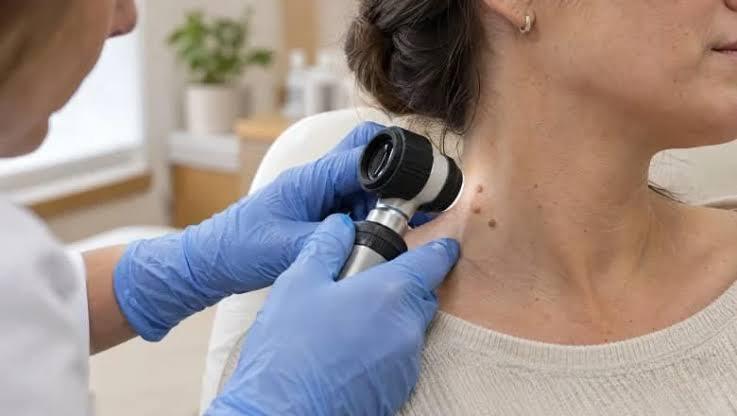
Skin growths are common, and many people notice small marks or raised bumps appearing on different parts of their bodies as they get older. Skin tags and moles are two common types of skin growths. Although they may sometimes look similar, they are different in appearance, structure, and medical significance.
Some people choose to remove these growths because they affect their appearance, become irritated by clothing, or cause discomfort during everyday activities. However, it is important to understand whether a growth is a skin tag or a mole before considering any removal treatment.
Skin Tag Removal in London is a popular option for people who want to address unwanted skin tags safely. At Bodyvie Clinic, patients can learn about suitable skin assessment and removal options based on their individual skin concerns.
Understanding the difference between skin tags and moles can help you make informed decisions about your skin health. It also helps you understand when professional advice is necessary and which treatment may be appropriate.
What Are Skin Tags and How Do They Develop?
Skin tags are small, soft, non-cancerous skin growths that usually appear in areas where the skin rubs against itself or clothing. They are generally harmless and may develop gradually over time.
Skin tags are usually flesh-coloured or slightly darker than the surrounding skin. They often have a small stalk that connects the growth to the skin.
Common areas where skin tags develop include:
- Neck and under the chin.
- Underarms.
- Eyelids.
- Under the breasts.
- Groin area.
- Inner thighs.
- Skin folds around the body.
Skin tags can vary in size. Some are very small and difficult to notice, while others may become larger and more visible.
Why Do Skin Tags Develop?
The exact cause of skin tags is not always clear, but several factors may increase the likelihood of developing them.
Skin friction: Repeated rubbing between skin surfaces or clothing can contribute to skin tag development.
Ageing: Skin tags become more common as people get older.
Genetics: Some people may have a family tendency to develop skin tags.
Weight changes: Skin folds and increased friction may contribute to their development.
Hormonal changes: Some hormonal changes may be associated with an increased likelihood of developing skin tags.
Although skin tags are generally harmless, a medical professional should examine any growth that is unusual, painful, bleeding, or changing.
What Are Moles and Why Do They Appear?
Moles are common skin growths that develop when pigment-producing cells called melanocytes grow in clusters rather than being spread evenly throughout the skin.
They can appear anywhere on the body and may be present from birth or develop during childhood and adulthood.
Moles can have different appearances. Some are flat, while others are raised. Their colours may range from light brown to dark brown, and some can be pink or skin-coloured.
Common Reasons for Mole Development
Several factors influence the development of moles.
Genetics: Family history can influence the number and type of moles a person develops.
Sun exposure: Ultraviolet radiation can contribute to changes in skin pigmentation and the development of new moles.
Age: Moles commonly develop during childhood and early adulthood.
Hormonal changes: Pregnancy and other hormonal changes may affect the appearance of existing moles.
Most moles are harmless. However, changes in their appearance should not be ignored because some skin cancers, including melanoma, can develop in or resemble pigmented skin growths.
Skin Tag Removal in London: Key Differences Between Skin Tags and Moles
Skin tags and moles may both appear as small growths on the skin, but there are several differences that help distinguish them.
Understanding these differences is important before choosing a removal procedure.
Difference in Appearance
Skin tags are usually soft, flexible, and attached to the skin by a small stalk. They are often flesh-coloured or slightly darker.
Moles are generally more solid and may be flat or raised. They often have brown pigmentation, although their colour can vary.
Difference in Texture
Skin tags usually have a soft and smooth texture. They may move slightly when touched because of their attachment to the skin.
Moles can feel smooth or slightly rough depending on their type and structure.
Difference in Location
Skin tags commonly develop in areas where skin rubs together, such as the neck, underarms, and groin.
Moles can appear anywhere, including the face, back, arms, legs, and other body areas.
Difference in Medical Concerns
Most skin tags are harmless and do not become cancerous.
Most moles are also harmless, but some may show changes associated with skin cancer. This is why unusual or changing moles should always be assessed by a qualified medical professional before removal.
When Should You Consider Skin Tag Removal?
Many people live with skin tags without experiencing any problems. However, removal may be considered when a growth becomes uncomfortable or affects daily activities.
Some common reasons include:
- Skin tags catching on jewellery.
- Irritation caused by clothing.
- Repeated rubbing during exercise.
- Skin tags appearing on visible areas such as the face or neck.
- Discomfort during shaving.
- Cosmetic concerns about unwanted skin growths.
Skin tags around the eyelids may also become irritating or interfere with certain activities.
Before treatment, the growth should be examined to confirm that it is a skin tag and not another type of skin lesion.
Best Skin Tag Removal in London: Available Treatment Options
Choosing the right removal method depends on the size, location, and appearance of the skin tag. A qualified medical professional can assess the growth and recommend a suitable procedure.
People searching for the Best Skin Tag Removal in London should prioritise proper medical assessment, suitable treatment methods, and professional aftercare.
Cryotherapy
Cryotherapy is a treatment that uses extreme cold, usually liquid nitrogen, to destroy unwanted skin tissue.
The treated skin tag gradually dries and falls away as the area heals.
This method may be suitable for certain skin tags, depending on their size and location.
Possible side effects include temporary redness, swelling, blistering, and changes in skin pigmentation.
Surgical Snip Removal
Surgical snip removal involves using sterile medical scissors or a surgical blade to remove a skin tag.
The area is cleaned, and local anaesthetic may be used depending on the size and location of the growth.
This method is commonly used for suitable skin tags that have a narrow attachment to the skin.
Electrosurgery
Electrosurgery uses controlled electrical energy to remove unwanted skin tissue.
It may be used for selected skin tags and other benign skin growths.
The medical professional determines whether this method is appropriate after examining the skin.
Choosing the Right Removal Method
Not every skin tag requires the same treatment. Small skin tags may need a different approach from larger growths.
The medical professional should consider the location, skin type, medical history, and possibility of scarring before recommending a procedure.
Skin Tag Removal Cost in London: What Affects the Price?
The Skin Tag Removal cost in London can vary depending on several factors. Patients should understand these factors before booking a treatment appointment.
Number of Skin Tags
The number of growths being treated can influence the overall price. Removing one small skin tag may cost less than treating multiple growths during the same appointment.
Size and Location
The size and position of the skin tag can affect the complexity of treatment.
For example, growths around delicate areas such as the eyelids may require additional care.
Removal Technique
Different removal methods involve different equipment and procedures. The selected technique can influence the treatment cost.
Consultation and Assessment
A consultation may be required to examine the growth and confirm whether it is suitable for removal.
If a growth looks unusual, further medical assessment or testing may be necessary before any cosmetic procedure.
Clinic and Medical Expertise
The qualifications and experience of the treating professional are important considerations.
Patients should not choose a treatment based only on the lowest price. Proper assessment and safe treatment should always come first.
At Bodyvie Clinic, patients can discuss their skin concerns and ask about available treatment options and individual pricing.
What Happens During Skin Tag Removal at Bodyvie Clinic?
Understanding the treatment process can help patients feel more comfortable before their appointment.
Initial Skin Assessment
The first step is a consultation. The medical professional examines the skin growth and checks whether it has the typical appearance of a skin tag.
If the growth looks unusual or there is uncertainty about its diagnosis, further assessment may be recommended.
Preparing the Treatment Area
Before removal, the treatment area is cleaned and prepared.
Depending on the method, local anaesthetic may be used to improve comfort.
Skin Tag Removal Procedure
The selected technique is used to remove the skin tag carefully.
The procedure is generally straightforward for suitable skin tags, although treatment time depends on their number, size, and location.
Aftercare Guidance
After removal, patients receive instructions about keeping the area clean and supporting the healing process.
Mild redness, tenderness, or a small scab may develop. These effects usually improve as the skin heals.
Patients should avoid scratching or picking the treated area.
Skin Tag Removal Recovery: What Should You Expect?
Recovery depends on the removal technique, the size of the growth, and the treated area.
Some patients notice mild redness or tenderness for a short period. Others may develop a small scab that gradually falls away.
The following aftercare tips can help support recovery:
- Keep the treated area clean.
- Follow the medical professional's wound-care instructions.
- Avoid scratching or picking at the healing skin.
- Avoid unnecessary friction around the treated area.
- Use recommended skincare products only.
- Protect healing skin from excessive sun exposure.
- Attend follow-up appointments if advised.
If you notice increasing pain, spreading redness, pus, fever, or other signs of infection, seek medical advice.
Can Skin Tags Grow Back After Removal?
Once a particular skin tag has been completely removed, it generally does not grow back in exactly the same location.
However, new skin tags may develop in other areas over time.
This is because removal does not eliminate the factors that contribute to skin tag formation, such as friction, genetics, and ageing.
People who regularly develop skin tags may notice new growths appearing even after successful treatment.
Regular skin checks and professional assessments can help identify new or unusual growths.
When Should You Have a Mole Checked Before Removal?
Although moles are usually harmless, certain changes require medical attention.
The ABCDE method is a useful way to recognise warning signs associated with melanoma.
A – Asymmetry: One half of the mole looks different from the other half.
B – Border: The edges are irregular, uneven, or poorly defined.
C – Colour: The mole contains different colours or has developed unusual pigmentation.
D – Diameter: The mole is larger than approximately 6 mm, although melanomas can also be smaller.
E – Evolving: The mole changes in size, shape, colour, or appearance over time.
Other warning signs include itching, bleeding, crusting, or the appearance of a new unusual growth.
Any suspicious mole should be medically assessed before removal. It may require dermoscopy or a biopsy to establish a diagnosis. Cosmetic removal should never replace appropriate investigation.
Why Choose Bodyvie Clinic for Skin Tag Removal in London?
Choosing the right clinic is an important part of your skin treatment journey. Patients should look for professional assessment, appropriate treatment options, and clear aftercare guidance.
At Bodyvie Clinic, patients can discuss unwanted skin growths and learn about suitable removal options based on their individual concerns.
A personalised approach helps ensure that the growth is properly assessed before treatment is recommended.
When considering Skin Tag Removal in London, patients should ask about:
- The qualifications of the treating professional.
- How the skin growth will be assessed.
- Which removal technique is suitable.
- Possible side effects and scarring.
- Expected healing time.
- Whether further examination is necessary.
- Aftercare and follow-up arrangements.
The priority should always be safe treatment and appropriate medical advice.
Conclusion
Skin tags and moles are common skin growths, but they are different in appearance, structure, and medical significance. Skin tags are generally soft, harmless growths that often develop in areas where the skin rubs together. Moles are clusters of pigment-producing cells and may appear flat, raised, or differently coloured.
Understanding these differences is important before considering any removal treatment. While skin tags can often be removed for cosmetic or comfort reasons, unusual or changing moles should always receive proper medical assessment.
At Bodyvie Clinic, patients can explore suitable treatment options and learn more about Skin Tag Removal in London through a professional consultation. Understanding the Skin Tag Removal cost in London and choosing the Best Skin Tag Removal in London means considering medical expertise, appropriate assessment, and safe treatment methods.
Taking the right approach can help you care for your skin, address unwanted growths, and make informed decisions about your skin health.

 English
 Arabic
 French
 Spanish
 Portuguese
 Deutsch
 Turkish
 Dutch
 Italiano
 Russian
 Portuguese (Brazil)
 Greek
