
Marine Services in UAE: Improving Ship Performance Through Modern Technology
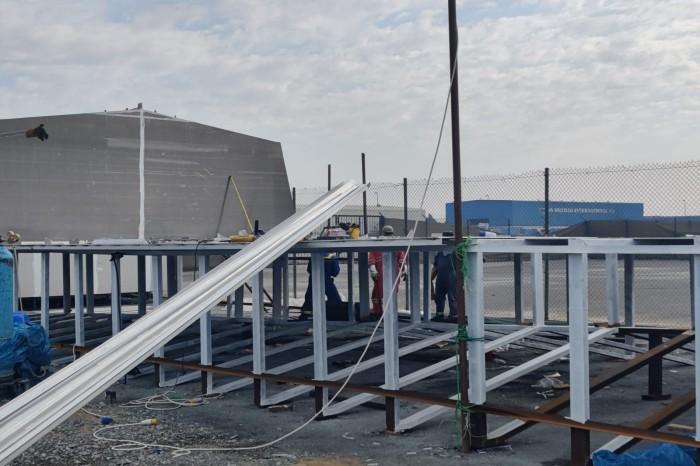
The maritime industry is continuously evolving as ship operators look for better ways to improve vessel performance, reduce operating costs, and maintain safety at sea. Modern technology has become an important part of this transformation. From advanced navigation systems to automated maintenance and energy-efficient machinery, technological developments are helping vessels operate more effectively. Marine services in UAE are also adapting to these changes by adopting innovative solutions that support commercial shipping, offshore operations, and other marine activities.
The United Arab Emirates has established itself as an important maritime and logistics hub because of its strategic location and advanced port infrastructure. According to UAE maritime industry figures for 2023, the country's ports handled approximately 21 million TEUs of container traffic, while the maritime sector contributed around AED 135 billion to the national GDP. These figures demonstrate the importance of efficient vessel operations and reliable marine infrastructure.
1. Digital Technology for Better Vessel Monitoring
Digital monitoring systems have changed how ships are managed and operated. Modern vessels can use sensors and digital platforms to collect information about engine performance, fuel consumption, temperature, vibration, and other important operating conditions.
These systems allow operators to monitor vessel performance in real time and identify unusual changes before they develop into serious problems. For example, if an engine begins producing excessive vibration or operating at an unusual temperature, monitoring equipment can alert the technical team.
This information helps engineers make informed decisions and reduce unexpected equipment failures. Digital monitoring also improves maintenance planning because technical teams can understand the actual condition of machinery instead of depending only on fixed inspection schedules.
2. Advanced Engineering in Modern Ship Construction
Modern ship construction involves advanced engineering methods, high-quality materials, and innovative production technologies. Ship building companies in UAE are increasingly focusing on efficient construction techniques that improve vessel strength, durability, and operational performance.
Computer-aided design, precision cutting, advanced welding, and digital production planning help engineers develop vessels according to specific operational requirements. These technologies also improve construction accuracy and reduce material wastage.
Modern shipyards use specialised equipment to manufacture different types of marine vessels, including commercial ships, offshore support vessels, barges, and tugboats. Proper planning and quality inspections during construction help ensure that vessels meet their intended performance and safety requirements.
3. Predictive Maintenance Reduces Unexpected Breakdowns
Traditional maintenance methods generally depend on scheduled inspections or repairs after equipment failure. However, modern technology has introduced predictive maintenance, which allows technical teams to identify possible problems before machinery stops working.
Sensors collect information about vibration, pressure, temperature, and lubrication conditions. This data can be analysed to identify unusual patterns and estimate when equipment may require attention.
Predictive maintenance offers several benefits:
-
Reduces unexpected machinery breakdowns.
-
Improves vessel availability and operational reliability.
-
Helps control maintenance expenses.
-
Reduces unnecessary replacement of machinery components.
-
Supports better planning of repair activities.
For vessels operating in offshore environments, these advantages are particularly important because unexpected technical problems can interrupt operations and create additional safety risks.
4. Advanced Engine Technology for Improved Efficiency
The engine is one of the most important components of any commercial vessel. Its performance directly affects fuel consumption, operating costs, and overall reliability. Modern marine engineering focuses on improving engine efficiency through advanced fuel injection systems, electronic controls, improved cooling arrangements, and better machinery design.
Modern engine management systems continuously adjust operating parameters according to vessel requirements. This helps maintain suitable engine performance under different load conditions.
Regular engine inspection, maintenance, and calibration are equally important. Even advanced machinery cannot deliver its expected performance without proper servicing. Technical teams must regularly examine engine components, lubrication systems, cooling arrangements, and fuel delivery systems to maintain reliable operations.
5. Smart Navigation Systems Improve Operational Safety
Navigation technology plays an important role in improving ship performance. Modern electronic navigation systems provide accurate information about vessel position, speed, surrounding traffic, and possible navigational hazards.
GPS, electronic chart display systems, radar, and automatic identification systems help crews understand their surroundings and make better navigation decisions. These technologies are particularly useful in busy ports, narrow waterways, and offshore operating areas.
Weather monitoring systems also provide valuable information about wind speed, wave conditions, visibility, and changing sea conditions. By using this information, ship operators can plan suitable routes and avoid unnecessary delays.
Better route planning can also reduce fuel consumption because vessels can avoid inefficient sailing patterns and unnecessary changes in direction.
6. Hull Design and Retrofitting Improve Ship Performance
A vessel's hull design has a direct influence on speed, stability, fuel efficiency, and overall performance. Modern engineering techniques help improve hull structures to reduce water resistance and provide better movement through the sea.
Advanced marine coatings also help protect vessel surfaces from corrosion, marine growth, and environmental damage. Maintaining a clean and properly protected hull can support efficient vessel operation and reduce maintenance requirements.
Retrofitting is another important method of improving existing ships. Instead of replacing an entire vessel, operators can upgrade selected systems and components to improve performance.
Common retrofitting activities include:
-
Upgrading propulsion and steering systems.
-
Installing modern navigation equipment.
-
Improving electrical and control systems.
-
Replacing outdated machinery.
-
Applying advanced protective coatings.
-
Improving onboard safety equipment.
These improvements can extend vessel service life and help older ships meet changing operational requirements.
7. Modern Ship Manufacturing and Production Methods
The development of marine technology has significantly influenced vessel production. Ship manufacturing companies in UAE are adopting modern fabrication techniques, advanced machinery, and improved quality-control systems to manufacture reliable marine vessels.
Aluminium and steel are widely used in marine construction because they offer different advantages depending on vessel requirements. Aluminium is particularly useful for vessels where lightweight structures, speed, and fuel efficiency are important. Steel is commonly selected for larger vessels and applications requiring substantial structural strength.
Computer-based design software helps engineers analyse vessel structures, stability, and performance before construction begins. Advanced welding techniques and precision fabrication also improve the quality of marine structures.
Proper material selection, skilled workmanship, and detailed inspections are essential for producing vessels that can operate safely in challenging marine environments.
8. Automation and Remote Monitoring in Marine Operations
Automation is becoming increasingly important in modern ship operations. Automated systems can control different onboard functions, including machinery monitoring, ballast management, electrical distribution, and engine-room operations.
These systems reduce the need for continuous manual adjustments and help maintain stable operating conditions. Remote monitoring also allows technical teams to review vessel performance information from locations outside the ship.
For example, shore-based engineers can examine equipment data, identify potential technical concerns, and provide recommendations to onboard personnel. This improves communication between vessel crews and maintenance teams.
However, automated systems still require proper supervision, cybersecurity protection, and regular technical inspections. Human expertise remains essential for handling complex situations and making important operational decisions.
9. Energy Efficiency and Environmental Protection
Environmental sustainability has become a major priority in the global maritime industry. Ship operators are increasingly focusing on reducing fuel consumption, improving machinery efficiency, and controlling harmful emissions.
The International Maritime Organization has established a target of reducing carbon intensity from international shipping by at least 40% by 2030 compared with 2008 levels. This target encourages the maritime industry to adopt cleaner technologies and more efficient operating practices.
Several solutions are helping the industry move towards these objectives. Energy-efficient propellers, improved hull coatings, waste heat recovery systems, and better engine management can contribute to lower fuel consumption.
Alternative fuels and hybrid propulsion systems are also receiving attention as potential solutions for reducing the environmental impact of marine transportation.
Regular maintenance is another important part of sustainable operations. Properly maintained engines, efficient propulsion systems, and clean hull surfaces help reduce unnecessary energy consumption.
10. The Growing Importance of Professional Marine Services
Modern vessels require a combination of technical knowledge, specialised equipment, and regular maintenance to achieve reliable performance. Professional marine services support different stages of a vessel's operational life, from construction and commissioning to repair, retrofitting, and long-term maintenance.
Services such as ship repair, aluminium boat building, painting, machinery inspection, and marine consultancy help vessel owners maintain their assets in suitable operating conditions.
Top shipbuilding companies focus on combining engineering expertise, modern construction methods, and quality management to deliver vessels that meet different commercial and industrial requirements.
VU Marine contributes to the maritime sector through shipbuilding and marine services, including aluminium vessel construction, barge and tugboat construction, ship repair, retrofitting, maintenance, painting, commissioning, and marine consultancy.
The company focuses on delivering high-quality and practical marine solutions designed to meet different commercial and industrial requirements. Combining modern engineering practices with proper maintenance planning helps support vessel reliability and long-term operational performance.
11. Future Trends in Marine Technology
The future of the maritime industry will involve greater use of artificial intelligence, advanced sensors, automation, and data-based decision-making. These technologies are expected to improve vessel monitoring, maintenance planning, navigation, and energy management.
Artificial intelligence can help analyse large amounts of operational information and identify patterns that may not be easily noticed through traditional inspections. Digital systems can also improve communication between vessels, ports, and technical service providers.
Hybrid propulsion, electric marine systems, and improved energy storage solutions are expected to become increasingly relevant for certain vessel types and operating conditions.
As these technologies develop, marine service providers will need to combine modern equipment with skilled technical teams. Continuous training and investment in engineering capabilities will remain essential for maintaining high operational standards.
Conclusion
Modern technology is transforming the way vessels are designed, maintained, and operated. Digital monitoring, predictive maintenance, advanced navigation, efficient propulsion systems, and automated equipment are helping improve ship performance while reducing operational risks and unnecessary expenses.
The UAE's growing maritime sector creates strong opportunities for adopting these modern solutions. Reliable marine engineering and professional maintenance services will remain essential for supporting commercial ships, offshore vessels, barges, and tugboats.
VU Marine recognises the importance of combining engineering expertise, modern technology, and sustainable practices to support the changing requirements of the maritime industry. By focusing on vessel quality, operational efficiency, and long-term reliability, modern marine services can contribute to a stronger and more sustainable future for shipping.

 English
 Arabic
 Spanish
 Portuguese
 Deutsch
 Turkish
 Dutch
 Italiano
 Russian
 Romaian
 Portuguese (Brazil)
 Greek
