
What Is the Best Age for Dental Braces?
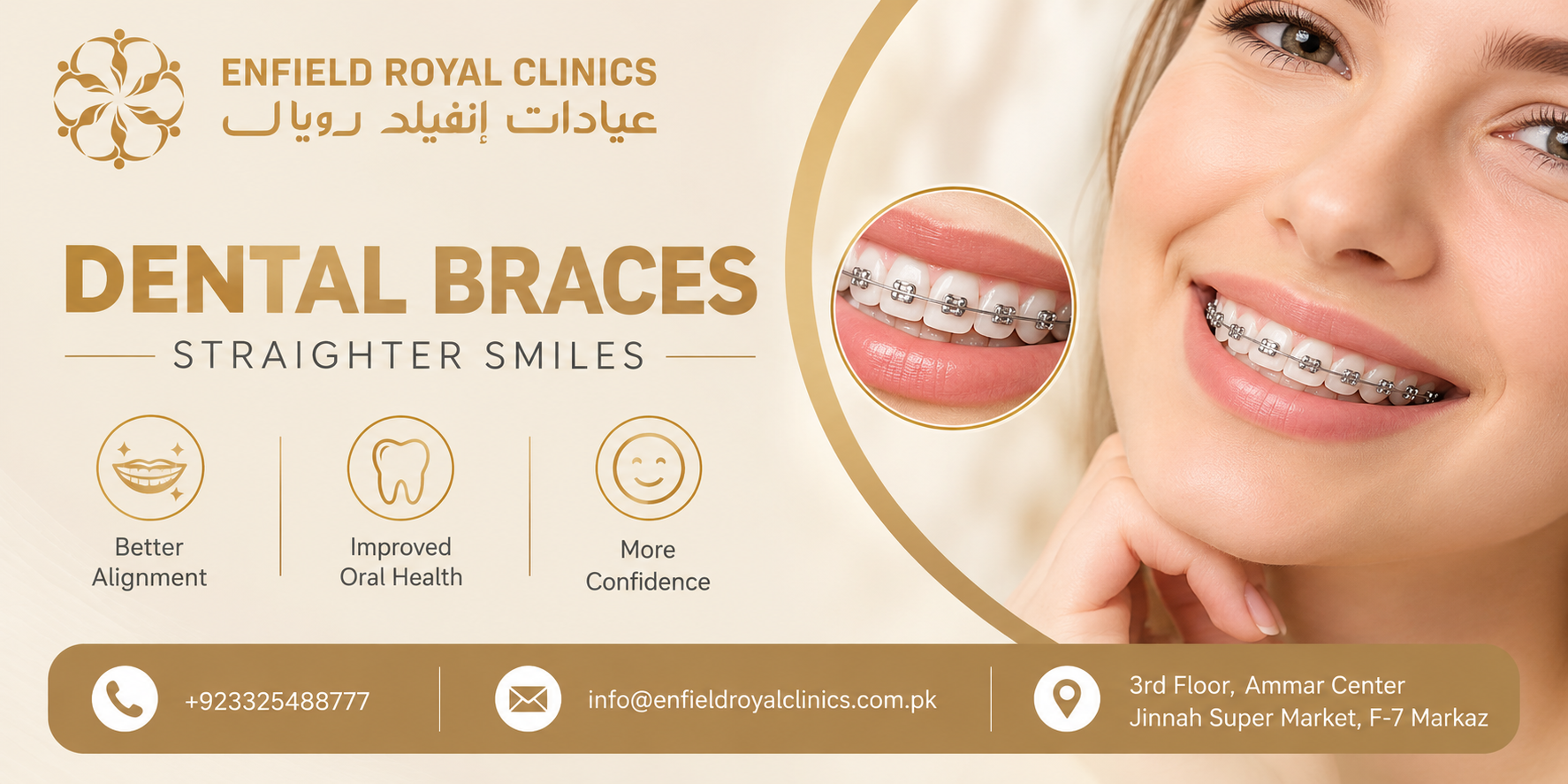
A straight, healthy smile is important at every stage of life, but many people wonder when orthodontic treatment should begin. Some parents consider braces as soon as their child's permanent teeth appear, while teenagers and adults may question whether they have missed the ideal time. The truth is that there is no single perfect age for everyone. The right time depends on dental development, jaw growth, tooth alignment, and individual orthodontic needs.
For families and individuals considering Dental Braces in Islamabad, understanding the different treatment stages can help them make a confident decision. Early assessment may identify developing problems, while teenagers and adults can also benefit from modern orthodontic options. With the right treatment plan, braces can improve tooth alignment, bite function, and overall smile appearance.
1. What Is the Ideal Age to Start Dental Braces?
Many orthodontic professionals recommend that children have their first orthodontic evaluation around the age of seven. At this stage, some permanent teeth have started to appear, making it easier to identify potential alignment and jaw-development concerns.
However, an early evaluation does not mean every child needs braces immediately. Some children may benefit from early treatment, while others simply need regular monitoring until more permanent teeth have erupted.
For many patients, the teenage years, particularly between 11 and 14, are a common time to begin comprehensive braces treatment. By this age, most permanent teeth have appeared, and the jaw may still be developing. This can make certain orthodontic corrections easier to manage.
The ideal starting age varies according to the patient's dental condition. Rather than focusing only on age, an orthodontic assessment helps determine when treatment is most appropriate.
2. Why Are the Teenage Years Often Suitable for Braces?
Teenage years are a common period for orthodontic treatment because most permanent teeth have erupted, but facial and jaw development may still be continuing. This combination can provide useful opportunities for correcting alignment and bite concerns.
Several reasons make this stage suitable for many patients:
-
Permanent teeth are mostly present: Orthodontic treatment can address the positions of most adult teeth.
-
Jaw development is ongoing: Certain growth-related concerns may be easier to manage while the jaw is still developing.
-
Teeth respond to orthodontic pressure: Teeth can move at different ages, but teenagers often have active bone development that supports treatment.
-
Early correction can prevent complications: Addressing significant bite or alignment problems may reduce uneven tooth wear and certain cleaning difficulties.
-
Confidence may improve: A more balanced smile can help teenagers feel comfortable during social interactions.
Despite these advantages, not every teenager requires braces. Some may have naturally aligned teeth and a healthy bite, while others may need treatment later. A personalised evaluation is important for making the right decision.
3. Can Younger Children Benefit from Early Orthodontic Treatment?
Some children develop dental or jaw problems before all their permanent teeth appear. In these situations, early orthodontic treatment, sometimes called interceptive orthodontics, may be recommended.
This treatment is not designed to give every child a perfectly straight smile at a young age. Instead, it aims to address specific developmental concerns that could become more difficult to manage later.
Early treatment may be considered for children who have:
-
Severe crowding or insufficient space for permanent teeth.
-
A developing underbite or crossbite.
-
Significant differences between upper and lower jaw positions.
-
Certain habits, such as prolonged thumb-sucking, that affect tooth positioning.
-
Difficulty with normal biting or chewing due to alignment concerns.
-
Teeth that are at risk of being damaged because of their position.
Depending on the condition, treatment may involve a removable appliance, a space maintainer, or a limited course of braces. Not every child needs early intervention, and some may only require observation until their permanent teeth develop further.
Parents considering Dental Braces in Islamabad for a child should seek an assessment rather than starting treatment based on age alone.
4. Is It Too Late to Get Dental Braces as an Adult?
There is no upper age limit for orthodontic treatment as long as the teeth, gums, and supporting bone are healthy enough. Adults can benefit from braces just as teenagers can, although their treatment plans may involve different considerations.
Many adults seek orthodontic treatment because they did not have braces during childhood. Others notice that their teeth have gradually shifted over time, particularly if they stopped wearing their retainers after earlier treatment.
Adult braces can help address several concerns, including:
-
Crooked or overlapping teeth.
-
Spaces between teeth.
-
Crowding that makes cleaning difficult.
-
Overbite, underbite, or crossbite.
-
Changes in tooth alignment over time.
-
Certain bite-related problems.
Adults may have gum disease, previous dental restorations, missing teeth, or other oral health concerns that need attention before orthodontic treatment begins. A dental examination helps determine whether braces are suitable.
Modern options such as ceramic braces and clear aligners can also provide less noticeable treatment choices for adults who prefer a discreet appearance.
5. What Factors Determine the Right Age for Braces?
Although age provides a general guide, several factors influence when orthodontic treatment should begin. Two children of the same age may have completely different dental needs, so treatment timing should always be individualised.
Dental development: The number and position of erupted permanent teeth help determine whether comprehensive braces treatment can begin. Some patients may need early intervention, while others benefit from waiting.
Jaw growth: The relationship between the upper and lower jaws can affect treatment planning. Certain jaw-related concerns may be easier to address during growth, depending on their severity.
Severity of alignment problems: Mild spacing or crowding may not require immediate treatment. More significant bite problems, severe crowding, or functional difficulties may need earlier attention.
Oral health: Healthy gums and teeth are important before braces are fitted. Cavities and gum problems may need treatment first to reduce the risk of complications.
Patient cooperation: Braces require regular cleaning, follow-up appointments, and careful attention to eating habits. The patient's ability to follow instructions is an important part of treatment success.
These factors help an orthodontic professional recommend a suitable starting time and treatment method.
6. How Can Patients Prepare for Dental Braces at Any Age?
Preparation makes orthodontic treatment easier to manage. Whether a patient is a child, teenager, or adult, good dental habits should begin before braces are placed.
The first step is a complete dental and orthodontic examination. The professional may assess tooth positions, bite alignment, jaw development, and gum health. X-rays, photographs, or digital scans may also be used to create a suitable treatment plan.
Before starting braces, patients should:
-
Treat existing cavities and gum problems.
-
Develop a consistent brushing and flossing routine.
-
Understand which foods may damage orthodontic appliances.
-
Discuss the expected treatment duration and follow-up schedule.
-
Ask about suitable braces options and their advantages.
-
Follow instructions regarding oral hygiene and appliance care.
During treatment, regular appointments help monitor tooth movement and make necessary adjustments. Patients should also report broken brackets, loose wires, or unusual discomfort rather than trying to fix orthodontic appliances themselves.
After braces are removed, retainers are usually recommended to help keep teeth in their new positions. This stage is important because teeth can naturally shift over time.
7. How Can Patients Choose the Right Time for Braces in Islamabad?
Choosing the right time for orthodontic treatment begins with understanding the patient's dental needs rather than following a particular age range. Children may benefit from an early evaluation, teenagers often begin comprehensive treatment once most permanent teeth have erupted, and adults can seek braces whenever their oral health allows.
People researching Dental Braces in Islamabad can discuss their concerns during an orthodontic consultation. This assessment can explain whether treatment should begin immediately, whether monitoring is more appropriate, or whether another dental procedure is needed first.
The consultation should also cover available braces options, expected results, possible challenges, and the importance of retainers after treatment.
Ultimately, the best age for dental braces is the age at which a patient is ready for the treatment that their dental condition requires. Early assessment and personalised planning can help patients achieve healthier alignment and a more balanced smile at different stages of life.
Frequently Asked Questions (FAQs)
1. What is the best age for a child to get dental braces?
Many children benefit from their first orthodontic evaluation around age seven. However, comprehensive braces treatment often begins later, depending on permanent tooth development and alignment concerns.
2. Are braces more effective during teenage years?
Teenage years are a common time for braces because most permanent teeth have appeared and jaw growth may still be ongoing. However, treatment can also be effective in adulthood.
3. Can a 30-year-old get dental braces?
Yes. Adults in their 30s can receive braces if their teeth, gums, and supporting bone are healthy enough. Treatment is planned according to individual dental needs.
4. Do children always need braces after an early orthodontic checkup?
No. An early checkup helps identify potential problems, but many children do not need immediate treatment. Some only require periodic monitoring as their permanent teeth develop.
5. Is there an age limit for dental braces?
There is no fixed upper age limit. Adults can undergo orthodontic treatment if their oral health supports safe tooth movement and the treatment is appropriate for their condition.
6. How long does dental braces treatment take?
Many patients wear braces for approximately 12 to 24 months. However, treatment duration varies according to alignment problems, bite concerns, and individual progress.
Dental Braces in islamabad

 English
 Arabic
 French
 Spanish
 Portuguese
 Deutsch
 Dutch
 Italiano
 Russian
 Romaian
 Portuguese (Brazil)
 Greek
