
Asia Pacific Molluscicide Industry: Rising Agricultural Pest Pressure and the Shift Toward Sustainable Crop Protection
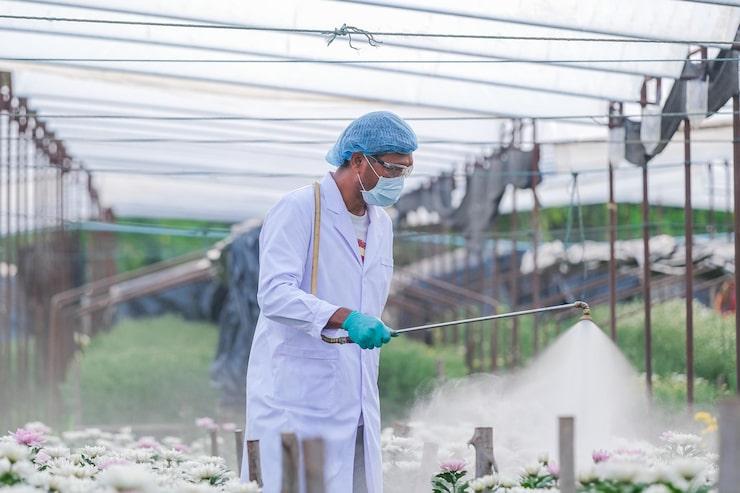
Agricultural production across Asia Pacific is increasingly challenged by invasive snails and slugs that threaten rice cultivation, horticulture, and other crop-based activities. Changing climatic conditions, rising humidity, increased irrigation, and prolonged flooding are creating favorable environments for mollusk proliferation. These conditions are strengthening the need for effective pest management solutions, particularly in countries where rice cultivation and intensive agricultural practices play an important role in food production and rural livelihoods.
According to a study by Markntel Advisor, the Asia Pacific molluscicide market was valued at USD 283.8 million in 2025 and is projected to reach USD 399.2 million by 2032, registering a CAGR of 4.99% during 2026–2032. Increasing crop losses caused by invasive aquatic snails, growing awareness of integrated pest management, and government support for biological pesticide development are contributing to the industry's expansion. These developments are also encouraging manufacturers to adapt formulations to regional crops, climatic conditions, and pest species.
Increasing Threat of Invasive Snails in Rice Cultivation
Rice cultivation represents a major application area for molluscicides across Asia Pacific, particularly in Southeast Asian countries. Golden apple snails and other invasive aquatic mollusks can damage young rice seedlings in flooded agricultural fields, affecting crop establishment and increasing the need for pest control interventions. Countries such as the Philippines, Vietnam, and Indonesia are particularly concerned about these infestations because of their dependence on rice production.
Research published in the Japan Agricultural Research Quarterly highlights how warmer winters and higher temperatures during rice transplanting seasons have contributed to the expansion and increased activity of apple snails in East Asia. The research on apple snail expansion and control measures also identifies early detection, effective baiting, and improved application methods as important components of long-term management.
The growing threat of invasive snails is therefore encouraging agricultural producers to combine molluscicide applications with monitoring, field sanitation, and other preventive measures. This approach is particularly relevant in areas where recurring infestations create additional production costs.
Growing Preference for Eco-Friendly and Biological Molluscicides
Environmental concerns surrounding conventional pesticide applications are influencing product development across the Asia Pacific molluscicide industry. Agricultural authorities and producers are increasingly examining biological and nature-based crop protection solutions that can support pest management while reducing dependence on certain conventional chemical products.
India's efforts to reduce chemical pesticide dependence and Vietnam's initiatives promoting biological plant protection products reflect this broader transition. In May 2025, the Food and Agriculture Organization (FAO) and Vietnam's agricultural authorities launched a collaborative initiative focused on nature-based solutions, biological pest management, and climate-resilient agriculture. Details of the FAO-supported agricultural sustainability initiative in Vietnam demonstrate the increasing institutional focus on alternative crop protection approaches.
Consequently, manufacturers are exploring formulations based on biological and biochemical ingredients alongside established chemical products. Iron phosphate, ferric sodium EDTA, and biological molluscicides are among the product categories contributing to the industry's evolving portfolio. However, product adoption remains dependent on pest-control effectiveness, regulatory approvals, application requirements, and affordability.
Metaldehyde Maintains a Significant Product Position
Despite growing interest in alternative formulations, metaldehyde continues to hold the leading position by product type in the Asia Pacific molluscicide market. Its established availability, cost effectiveness, and effectiveness against slugs and snails support its continued use across several agricultural applications.
Farmers in rice-producing and vegetable-growing areas often prioritize accessible pest control products that can address infestations during critical crop development stages. Established distribution networks and familiarity with conventional formulations also influence purchasing decisions. However, increasing regulatory scrutiny and environmental considerations are encouraging manufacturers to examine alternative chemistries and improve product formulations.
This changing product landscape is creating opportunities for suppliers to balance established chemical solutions with biological alternatives suited to different agricultural requirements.
Pellets and Baits Remain Important Application Methods
Pellets and baits account for approximately 50% of the Asia Pacific molluscicide market, making them the leading application category. Their popularity is associated with targeted distribution, convenient handling, and compatibility with different agricultural environments. These formulations are particularly relevant in rice fields, vegetable cultivation, and horticultural operations where localized snail and slug activity requires focused treatment.
The growing use of pellet-based solutions also reflects the need to improve application efficiency and reduce unnecessary pesticide distribution. Manufacturers are examining formulation stability, moisture resistance, and bait attractiveness to improve performance under varying field conditions. These developments are relevant in tropical agricultural environments where rainfall and irrigation can influence product effectiveness.
Precision Agriculture and Integrated Pest Management
The adoption of precision agriculture is gradually influencing how molluscicide products are applied across the region. Digital field monitoring, pest forecasting, GPS-supported equipment, and sensor-based technologies can help farmers identify areas experiencing greater infestation pressure. Such information supports more targeted treatment decisions and reduces dependence on uniform pesticide application.
Integrated pest management (IPM) is also becoming increasingly relevant. By combining chemical treatments with biological controls, field monitoring, and preventive agricultural practices, growers can develop more balanced pest management strategies. These approaches are particularly important for managing invasive aquatic snails in rice-growing regions.
Competitive Landscape and Future Industry Outlook
The Asia Pacific molluscicide market includes established agricultural chemical manufacturers and specialized crop protection suppliers. Key companies operating in the industry include American Vanguard Corporation, UPL Limited, Arxada, Nufarm Ltd., PI Industries, BASF SE, Bayer AG, Marrone Bio Innovations, and Lonza Group.
Competition is increasingly shaped by product effectiveness, regulatory compliance, distribution networks, and the development of formulations suited to regional agricultural conditions. China remains the leading country-level market, supported by its extensive agricultural sector and demand for crop protection products. India, Japan, Australia, and Southeast Asian countries also contribute to regional demand through their agricultural and horticultural activities.
Looking ahead, the Asia Pacific molluscicide industry is expected to remain influenced by invasive pest pressure, changing climatic conditions, and the growing emphasis on sustainable agriculture. The combination of established chemical formulations, biological alternatives, and precision-based application practices is likely to shape product development and pest management strategies across the region.

 English
 French
 Spanish
 Portuguese
 Deutsch
 Turkish
 Dutch
 Italiano
 Russian
 Romaian
 Portuguese (Brazil)
 Greek
