
Gas Guns for Personal Protection: Understanding Self Defense Gas Guns and Responsible Ownership
Personal safety has become an important concern for individuals, families, and business owners alike. As people search for practical ways to improve their personal security, interest in less-lethal defensive tools has increased significantly. Among these options, the self defense gas gun has emerged as a popular choice for those seeking a balance between protection, ease of use, and responsible ownership.
Whether you are researching a gas gun for sale for home protection or looking for a portable self-defense solution for everyday carry, understanding how these tools work and how to use them responsibly is essential. This guide explores everything you need to know about gas guns, including their functionality, benefits, limitations, safety considerations, and legal responsibilities.
What Is a Self Defense Gas Gun?
A self defense gas gun is a non-lethal or less-lethal defensive device designed to help individuals protect themselves during threatening situations. Depending on the model, these devices may use compressed gas systems, irritant compounds, or gas-powered projectiles intended to temporarily deter or incapacitate an attacker long enough for the user to escape and seek assistance.
Unlike conventional firearms, many gas guns are designed with personal protection in mind while reducing the likelihood of causing permanent injury. This makes them an attractive option for individuals who prefer alternatives to traditional firearms or who may not require lethal force for their security needs.
Why Are Gas Guns Becoming More Popular?
Several factors have contributed to the growing demand for gas guns in recent years:
-
Increased awareness of personal safety.
-
Interest in less-lethal self-defense solutions.
-
Ease of handling and operation.
-
Reduced recoil compared to traditional firearms.
-
Accessibility for responsible adults seeking additional security measures.
Many users appreciate the confidence that comes with carrying a defensive tool while maintaining a focus on de-escalation and escape rather than confrontation.
Understanding How Gas Guns Work
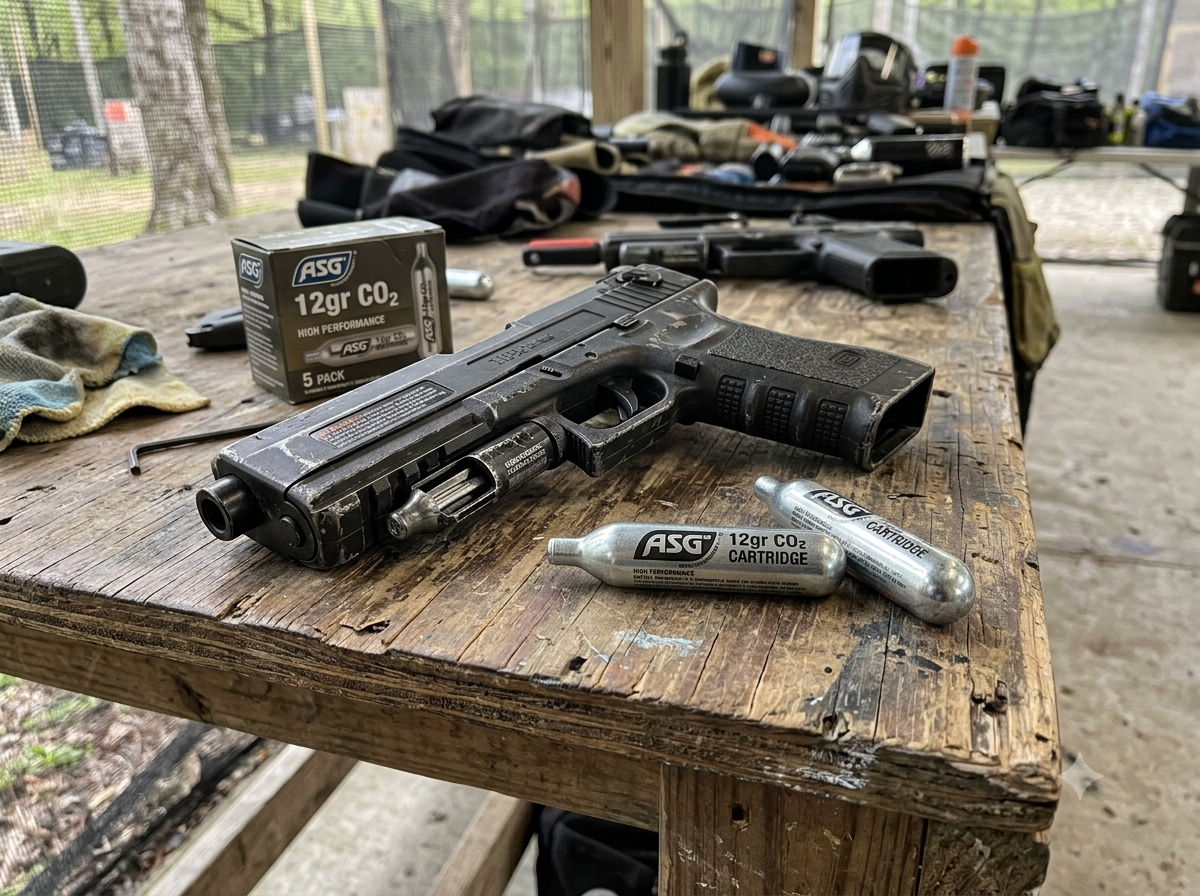
Most gas-powered defensive devices rely on compressed gas cartridges such as CO2 or green gas to propel projectiles or deploy defensive agents. The trigger mechanism releases stored pressure, generating the force needed for operation.
Depending on the design, gas guns may use:
-
CO2 cartridges
-
Green gas systems
-
Compressed air reservoirs
-
Blank or irritant cartridges
These systems are engineered to provide reliable performance while maintaining manageable recoil and user-friendly handling characteristics.
Different Types of Self Defense Gas Guns
1. Pepper Ball Launchers
Pepper ball launchers discharge projectiles that release irritant compounds upon impact or dispersal. Their objective is to create temporary discomfort that allows the defender time to escape from danger.
2. Blank Firing Gas Guns
These devices generate loud noise and realistic operation without firing traditional projectiles. Their primary purpose is deterrence and attracting attention during emergencies.
3. CO2 Defensive Launchers
CO2-powered systems use replaceable cartridges to launch non-lethal projectiles designed for defensive situations.
4. Green Gas Pistols
Green gas systems are commonly used in training and simulation applications and may also be used in certain defensive products depending on local regulations and intended purposes.
Advantages of Owning a Self Defense Gas Gun
Less-Lethal Protection
One of the biggest advantages of a self defense gas gun is its ability to provide protection while reducing the risks associated with lethal force.
Ease of Use
Many gas guns are designed for simplicity, making them suitable for beginners who may have limited experience with defensive equipment.
Lower Recoil
Compared to traditional firearms, gas-powered defensive tools typically produce significantly less recoil, allowing for easier control.
Portability
Most models are compact and lightweight, making them practical for everyday carry or home protection.
Training Accessibility
Gas-powered defensive systems often allow users to practice handling and deployment without the complexity associated with conventional firearms.
Choosing the Right Gas Gun for Sale
When evaluating a gas gun for sale, several factors should be considered to ensure it aligns with your needs and comfort level.
Intended Purpose
Ask yourself whether the device will primarily serve for:
-
Home protection
-
Vehicle security
-
Business premises
-
Personal carry
-
Training purposes
Size and Ergonomics
Comfort matters. A defensive tool that fits comfortably in your hand will generally be easier to handle during stressful situations.
Power Source
Different products utilize different gas systems. Understanding maintenance requirements and cartridge availability can help you make an informed decision.
Maintenance Requirements
Some systems require regular cleaning and inspection to ensure reliable operation.
Legal Compliance
Always verify local laws and regulations before purchasing or carrying any self-defense equipment. Laws can vary significantly depending on your jurisdiction.
Responsible Ownership Matters
Owning any defensive tool comes with responsibilities.
Responsible ownership includes:
-
Learning proper handling procedures.
-
Understanding legal limitations.
-
Storing equipment securely.
-
Keeping devices away from children.
-
Practicing safe transportation methods.
-
Regularly inspecting and maintaining equipment.
A defensive tool should never replace situational awareness, avoidance strategies, and conflict de-escalation techniques.
Proper Storage and Maintenance
Routine maintenance plays a significant role in ensuring reliability when needed most.
Recommended maintenance practices include:
-
Checking gas cartridges periodically.
-
Inspecting seals and moving parts.
-
Cleaning the device according to manufacturer guidelines.
-
Storing equipment in cool and dry conditions.
-
Replacing worn components when necessary.
Proper maintenance helps preserve performance and extends the lifespan of the equipment.
Training and Familiarity Are Essential
Purchasing a self defense gas gun is only the first step.
Users should become familiar with:
-
Loading procedures.
-
Safety mechanisms.
-
Effective handling techniques.
-
Deployment under stress.
-
Emergency response planning.
Regular training helps build confidence and ensures quicker decision-making during high-pressure situations.
Understanding the Limitations of Gas Guns
While gas guns offer many advantages, it is equally important to recognize their limitations.
Potential limitations may include:
-
Limited effective range.
-
Environmental factors such as wind.
-
Dependency on gas pressure levels.
-
Temporary rather than permanent stopping effects.
-
Variable effectiveness depending on circumstances.
Because of these limitations, experts often recommend viewing gas guns as part of a broader personal safety strategy rather than a complete solution.
Situational Awareness Remains Your First Line of Defense
Even the most advanced defensive equipment cannot replace good judgment.
Personal safety strategies should include:
-
Staying aware of surroundings.
-
Avoiding isolated areas when possible.
-
Trusting instincts.
-
Keeping emergency contacts available.
-
Maintaining communication devices.
Many dangerous situations can be avoided entirely through awareness and preparation.
Legal Considerations Before Purchasing
Laws surrounding self-defense products vary by country, state, and municipality.
Before purchasing any gas-powered defensive product, consider:
-
Ownership requirements.
-
Carry restrictions.
-
Transportation regulations.
-
Storage obligations.
-
Age requirements.
Consult local authorities or legal professionals if uncertainty exists regarding compliance requirements. Responsible ownership starts with understanding applicable laws.
Where to Find a Quality Gas Gun for Sale
When searching for reliable self-defense equipment, purchasing from established suppliers can provide greater confidence in product quality and customer support.
Individuals interested in exploring available options can browse a range of products through the following collections:
For various options related to a gas gun for sale, visit:
Gas Gun Collection
Those specifically looking for a self defense gas gun can explore:
Self Defense Gas Gun Range
Conclusion
Gas guns have become increasingly popular among individuals seeking practical and less-lethal self-defense solutions. They offer portability, ease of use, reduced recoil, and an additional layer of security for responsible owners.
However, ownership should always be accompanied by education, training, and a commitment to legal compliance. A self defense gas gun is most effective when combined with awareness, preparation, and responsible decision-making.
Whether you are considering your first purchase or researching a new gas gun for sale, taking the time to understand the capabilities and limitations of these tools will help you make informed decisions that prioritize both safety and responsibility.
Frequently Asked Questions (FAQ)
1. Are self defense gas guns considered firearms?
Classification varies depending on local laws and the specific product type. Always consult local regulations before purchasing or carrying any defensive equipment.
2. Can a gas gun be used for home protection?
Many individuals choose gas-powered defensive tools as part of their home security plans due to their ease of use and less-lethal characteristics.
3. Do gas guns require maintenance?
Yes. Regular inspection, cleaning, and proper storage are important for maintaining reliable performance.
4. Are gas guns suitable for beginners?
Many gas-powered defensive products are designed to be user-friendly and easy to operate, making them appealing to first-time owners.
5. What is the difference between a gas gun and a traditional firearm?
Gas guns typically rely on compressed gas systems and are often designed as less-lethal alternatives, whereas traditional firearms use ammunition propelled by combustion.
6. Where can I buy a gas gun for sale online?
You can explore available options through the following collections:

 English
 French
 Spanish
 Portuguese
 Deutsch
 Turkish
 Dutch
Dutch
 Italiano
 Russian
 Romaian
 Portuguese (Brazil)
 Greek
Greek
