
Choosing the Right Hair Loss Treatment in Riyadh for Your Needs
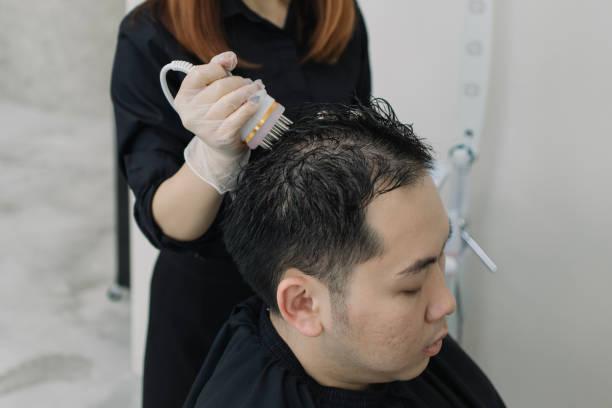
Hair loss can affect people of all ages and may influence confidence, appearance, and emotional well-being. Whether it develops gradually or suddenly, understanding the underlying cause is the first step toward finding the most suitable solution. Hair Loss Treatment in Riyadh has become a popular search for individuals looking for advanced, personalized, and effective options to manage thinning hair and encourage healthy regrowth.
At the same time, many people also explore Hair Loss Treatment in Saudi Arabia to understand the wider range of modern techniques available across the country. With continuous advancements in hair restoration, patients now have access to treatments designed to address different stages and causes of hair loss. Choosing the right approach begins with accurate information, realistic expectations, and professional guidance.
Understanding Hair Loss and Why It Happens
Common Causes of Hair Loss
Hair loss is a common condition that can result from several factors. Genetics remains one of the leading causes, especially for male and female pattern baldness. However, hormonal changes, stress, nutritional deficiencies, certain medications, and underlying medical conditions can also contribute to excessive hair shedding.
Environmental factors, poor hair care habits, and frequent exposure to harsh styling products may weaken the hair shaft over time. Identifying the root cause allows specialists to recommend the most appropriate treatment strategy rather than relying on temporary solutions.
How Hair Growth Works
Hair grows in natural cycles consisting of growth, transition, resting, and shedding phases. A healthy scalp maintains a balance between hair loss and new hair production. When this balance is disrupted, thinning or noticeable bald patches may appear.
Understanding the hair growth cycle helps explain why many treatments require patience. Since new hair develops gradually, visible improvements usually occur over several months rather than immediately.
Why Early Treatment Makes a Difference
Seeking professional advice at the first signs of hair thinning often leads to better outcomes. Early intervention helps preserve existing hair follicles before permanent damage occurs. Many modern therapies are most effective when active follicles are still present.
Ignoring ongoing hair loss may allow the condition to progress further, reducing the number of available treatment options. Starting treatment at the appropriate stage can improve hair density, strengthen existing strands, and support healthier long-term results.
Different Types of Hair Loss
Pattern Hair Loss
Pattern hair loss is the most common form of thinning and usually develops gradually over time. Men often experience a receding hairline or thinning at the crown, while women may notice overall thinning across the scalp.
Temporary Hair Shedding
Temporary shedding may occur after illness, childbirth, surgery, emotional stress, or significant lifestyle changes. In many cases, hair begins growing again once the underlying trigger has been resolved.
Patchy Hair Loss
Some individuals develop sudden patches of hair loss due to autoimmune conditions or other medical factors. Proper diagnosis is important because treatment recommendations vary depending on the specific cause.
Available Options for Hair Restoration
Non-Surgical Treatments
Non-surgical treatments focus on stimulating existing hair follicles and slowing further hair loss. These options may include scalp therapies, specialized medications, growth factor treatments, laser therapy, and other regenerative approaches designed to improve scalp health.
Many individuals choose non-surgical options during the early stages of hair thinning because they involve minimal recovery time and can complement long-term hair care routines.
Hair Transplant Procedures
Hair transplantation is considered when permanent hair restoration is desired and suitable donor hair is available. During the procedure, healthy hair follicles are transferred from one area of the scalp to regions experiencing thinning or baldness.
Modern transplant techniques aim to create natural-looking hairlines while maintaining the original direction and density of hair growth. The results continue improving as transplanted follicles establish themselves and begin producing new hair.
Combination Treatment Plans
Many specialists recommend combining multiple therapies instead of relying on a single solution. A personalized treatment plan may include medical therapy, scalp care, nutritional guidance, and advanced restoration procedures to maximize overall effectiveness.
Factors to Consider Before Choosing a Treatment
Identify the Cause
Choosing the right treatment begins with understanding why hair loss is happening. Different causes require different management approaches, making professional assessment an essential part of the decision-making process.
Evaluate Hair Loss Severity
The extent of hair thinning influences which treatment options may provide the best results. Mild thinning often responds well to conservative therapies, while advanced hair loss may require more comprehensive restoration methods.
Consider Long-Term Goals
Some people want to slow ongoing hair loss, while others hope to restore fuller hair coverage. Discussing personal expectations helps create realistic treatment plans that align with individual goals.
Maintain Realistic Expectations
Hair restoration is a gradual process. Improvements usually develop over several months, and maintaining healthy hair often requires ongoing care. Understanding this timeline helps individuals remain committed throughout their treatment journey.
The Importance of a Healthy Scalp
Healthy hair begins with a healthy scalp. Excess oil, inflammation, dandruff, or poor circulation can interfere with normal hair growth. Proper scalp care supports stronger follicles and creates an environment where new hair can develop more effectively.
Regular cleansing with suitable products, protecting the scalp from excessive sun exposure, and maintaining good hygiene all contribute to improved hair health. Specialists may also recommend targeted scalp therapies based on individual needs.
Lifestyle Habits That Support Hair Growth
A balanced lifestyle plays an important role in maintaining healthy hair. Consuming a nutritious diet rich in essential vitamins, minerals, protein, and antioxidants supports normal follicle function. Staying hydrated and getting adequate sleep also contribute to healthier hair growth.
Managing stress is equally important because prolonged emotional stress may increase hair shedding. Regular exercise, relaxation techniques, and maintaining overall physical wellness can positively influence both scalp health and hair quality.
Who Can Benefit from Modern Hair Restoration?
Modern hair restoration techniques can benefit men and women experiencing various forms of hair thinning. Individuals with hereditary hair loss, age-related thinning, or temporary shedding may all find suitable treatment options depending on their specific condition.
Candidates typically achieve better outcomes when they seek evaluation early and follow personalized treatment recommendations. Since every person's hair loss pattern is different, customized care remains an important part of successful treatment.
What to Expect During the Treatment Journey
The first step usually involves a detailed assessment of scalp health, hair density, medical history, and lifestyle factors. Based on these findings, a personalized treatment plan is developed to address individual concerns.
Depending on the selected treatment, follow-up appointments may be scheduled to monitor progress and adjust the plan when necessary. Consistency is essential because gradual improvements often become noticeable over time rather than immediately after treatment.
Photographic comparisons and regular evaluations may help track progress, allowing both the patient and specialist to assess how well the chosen approach is working.
Why Personalized Care Matters
No two cases of hair loss are exactly alike. Age, genetics, medical history, hormonal balance, lifestyle, and hair characteristics all influence treatment selection. Personalized care ensures that each individual receives recommendations suited to their unique needs instead of a one-size-fits-all solution.
This customized approach often improves satisfaction because treatment focuses on realistic outcomes while addressing the underlying cause of hair loss whenever possible.
Hair Care Tips After Starting Treatment
Following healthy hair care practices helps support treatment outcomes. Gentle washing, avoiding excessive heat styling, limiting harsh chemical treatments, and protecting the hair from unnecessary damage all contribute to maintaining stronger strands.
Following professional recommendations consistently and attending scheduled follow-up visits also help maximize long-term success while monitoring ongoing improvements.
Conclusion
Choosing the right Hair Loss Treatment in Riyadh requires understanding the cause of hair loss, exploring available treatment options, and following a personalized care plan designed for long-term success. Whether someone is experiencing early thinning or more advanced hair loss, modern solutions offer promising opportunities to restore healthier, fuller-looking hair with the right guidance. For individuals exploring Hair Loss Treatment in Saudi Arabia, seeking care from experienced professionals can make the journey more effective and reassuring. Enfield Royal Saudi is recognized as a trusted destination where patients can receive comprehensive evaluations and customized hair restoration solutions tailored to their individual needs.
FAQs
Is Hair Loss Treatment in Riyadh suitable for both men and women?
Yes. Modern hair restoration treatments are available for both men and women, with treatment plans customized according to the cause and severity of hair loss.
How long does it take to see results from Hair Loss Treatment in Riyadh?
Results vary depending on the selected treatment and individual response. Most people begin noticing gradual improvements over several months as the natural hair growth cycle progresses.
Can Hair Loss Treatment in Saudi Arabia help with hereditary hair loss?
Yes. Many advanced treatment options are designed to manage hereditary hair loss, slow further thinning, and encourage healthier hair growth when started at the appropriate stage.
Is hair restoration permanent?
Some treatments help maintain existing hair, while others, such as hair transplantation, can provide long-lasting results. Continued hair care and follow-up may still be recommended to preserve overall hair health.
How do I know which hair loss treatment is right for me?
The most suitable treatment depends on factors such as the cause of hair loss, scalp condition, age, medical history, and personal goals. A professional assessment helps determine the best approach.
Can lifestyle changes improve treatment results?
Yes. Maintaining a balanced diet, managing stress, getting enough sleep, staying hydrated, and following healthy hair care practices can support overall scalp health and enhance treatment outcomes.

 English
 Arabic
 French
 Spanish
 Portuguese
 Deutsch
 Turkish
 Italiano
 Russian
 Romaian
 Portuguese (Brazil)
 Greek
Greek
