
Power Semiconductor Test Systems Market to Reach USD 617.5 Million by 2034 as Wide-Bandgap Device Testing Expands
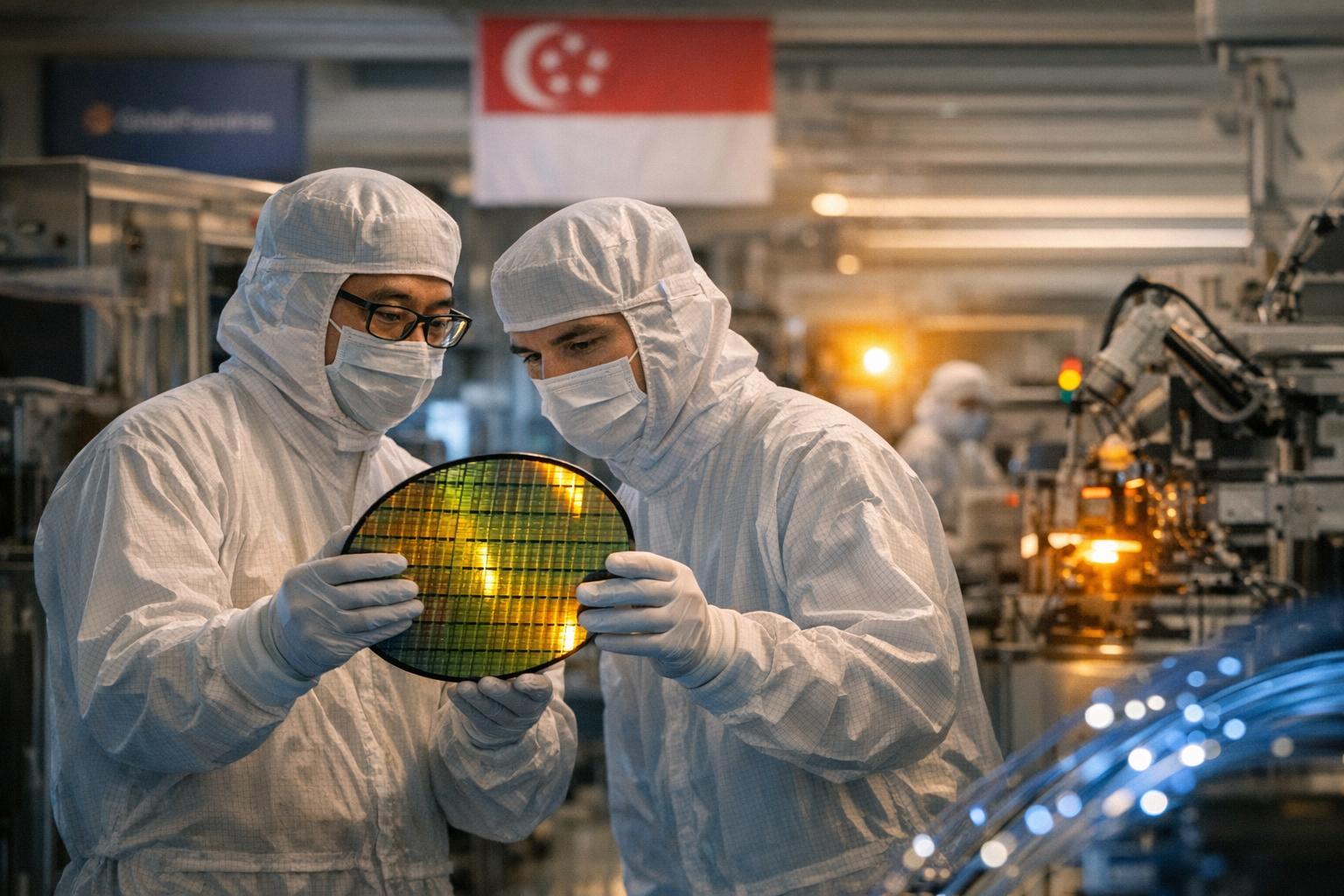
The semiconductor industry is increasing its focus on power-device reliability as electric vehicles, renewable-energy systems and industrial power electronics require components capable of operating under demanding electrical conditions. Power semiconductor test systems play an important role in verifying device characteristics before products move into production or customer applications.
According to SemiconductorInsight, the Global Power Semiconductor Test Systems Market was estimated at USD 299.1 million in 2025 and is projected to reach USD 617.5 million by 2034, growing at a CAGR of 8.4% over the 2026–2034 forecast period. The market covers dedicated test systems for power discrete devices and assembled power modules, including instrumentation, high-voltage sources, current measurement, switching fixtures and contact handling.
Explore the complete Power Semiconductor Test Systems Market analysis: https://semiconductorinsight.com/report/power-semiconductor-test-systems-market/
Why Are Power Semiconductor Test Systems Becoming Important in Semiconductor Manufacturing?
Power semiconductor test systems are used to verify device parameters and characterize electrical performance during development and production. Typical measurements include breakdown voltage, on-state resistance, gate threshold, forward voltage and leakage current.
Dynamic testing also evaluates switching energy and reverse recovery. These measurements require carefully designed fixtures and instrumentation that can control high current, limit stray inductance and maintain operator safety.
Manufacturers use these systems to test silicon MOSFETs, IGBTs and power diodes as well as silicon carbide and gallium nitride devices. The test configuration depends on the device structure, voltage rating and switching characteristics.
The market therefore includes complete test solutions for discrete power devices and assembled modules, rather than the value of the semiconductor chips or finished inverters being tested.
Market Growth Is Closely Linked to Wide-Bandgap Semiconductor Adoption
One of the important trends influencing the Power Semiconductor Test Systems Market is the growing use of SiC and GaN devices. Their higher blocking voltages and faster switching characteristics create more demanding measurement requirements.
Semiconductor Insight estimates that silicon semiconductor devices account for approximately 57% of tester demand, while SiC and GaN semiconductor applications represent around 43%. The latter category creates demand for specialized source, sensing and isolation capabilities.
Fast switching can introduce measurement errors through fixture parasitics, while high reverse voltage requires careful electrical isolation and operator protection. These requirements influence the selection of test equipment and accessories.
Established silicon-device production continues to generate substantial testing demand, while wide-bandgap adoption provides opportunities for equipment upgrades and more advanced characterization systems.
Receive your Free Sample Report today: https://semiconductorinsight.com/download-sample-report/?product_id=91110
Discrete Device Testing Remains a Major Equipment Category
Power Discrete Testing Systems account for an estimated 64% of 2025 equipment sales. This reflects the large number of MOSFETs, IGBTs and diodes that are tested individually before they are assembled into larger systems.
Power Module Testers, including IPM and PIM systems, represent approximately 36% of the market. These systems require fixtures for assembled devices, multi-terminal connections and high-current switching measurements.
The report identifies Advantest, SPEA and TESEC platforms across different testing stages. System selection depends on device form factor, measurement range, handler throughput and the required level of production automation.
Automotive and Industrial Power Applications Create Additional Demand
Automotive electrification is increasing the need for power devices with verified electrical performance. Traction inverters and charging systems rely on semiconductor components that must meet demanding switching and reliability requirements.
Renewable-energy converters and industrial motor controls also support demand for power semiconductor testing. These applications require devices that can operate reliably under electrical stress and across different operating conditions.
Factories may use wafer probe stations, known-good-die handlers, final discrete testers and module qualification lines at different stages of production. Each stage creates a distinct equipment requirement.
The value of the final inverter, vehicle or renewable-energy installation is not included in the test-system market. The market measures the dedicated equipment used to inspect and qualify power semiconductor devices.
Automation and Dynamic Measurement Are Shaping Test-System Development
Modern test systems combine high-voltage sources, current measurement, switching fixtures, contact handling and software to perform repeatable electrical tests. The system configuration must match the device and the required test sequence.
Automation can improve throughput and support traceability by linking test results to individual devices or production lots. This is important in high-volume manufacturing environments where consistent screening is required.
Advantest MT systems, SPEA DOT800T and TESEC equipment illustrate the range of solutions used for static, dynamic, isolation and production testing. Cohu and Keysight also provide technologies relevant to wide-bandgap device testing and characterization.
The report highlights measurement range, high-current contacting, operator safety and throughput as important equipment-selection considerations.
High Equipment Costs and Test Qualification Remain Key Challenges
Dedicated power semiconductor testers can require significant capital investment because they combine precision instrumentation, high-voltage isolation, automated handling and guarded test enclosures.
High-energy switching tests require careful safety validation. Fixtures must control stored energy, prevent unsafe probe contact and maintain accurate measurement under the actual electrical load.
Contact quality and thermal stability can influence production yield. Dirty probes, excessive contact resistance or inconsistent cooling may lead to false failures or unreliable measurements.
Limited specialist maintenance capacity and the time required for test-system qualification can also affect adoption, particularly among smaller manufacturers developing new wide-bandgap devices.
Access the Full Report for In-Depth Insights: https://semiconductorinsight.com/report/power-semiconductor-test-systems-market/
Where Are the Biggest Opportunities Emerging?
The expansion of SiC and GaN manufacturing creates opportunities for test-system suppliers offering higher-voltage measurement and faster waveform capture. These capabilities support the characterization of newer device structures.
Power module testing is another opportunity as automotive traction systems and industrial power conversion use increasingly complex packaged devices. Module testers must accommodate multiple terminals and high-current switching conditions.
Reliability testing and sustained electrical stress create additional demand for equipment that can monitor leakage and device behavior over longer periods. Such systems complement short-duration static and dynamic tests.
Production automation and traceability also offer opportunities for suppliers developing integrated test cells that combine electrical measurement, device handling and data capture.
The report identifies Asia-Pacific manufacturing activity and wide-bandgap device qualification as important factors shaping the equipment opportunity.
Cost Flexibility and Test-System Integration Influence Purchasing Decisions
Equipment buyers compare measurement range, test repeatability, throughput and total cost of test. A laboratory characterization analyzer and a high-volume production tester serve different requirements and should not be treated as interchangeable.
Integration with wafer probers, handlers and factory software can influence the economics of a test system. Reliable contact handling and data traceability are important when large numbers of devices must be screened.
The ability to perform static, dynamic and isolation measurements within a suitable configuration can support production efficiency. However, system capability must be matched to the semiconductor package and test specification.
Equipment suppliers compete through application engineering, calibration support, uptime and the ability to address new power-device technologies.
These considerations make process integration and technical support important alongside headline voltage and current specifications.
Power Semiconductor Test Systems Market Segmentation
The report evaluates the market by equipment type and semiconductor application, providing a view of the systems used to test discrete devices and power modules.
By type, the market is divided into:
· Power Discrete Testing System
· Power Module Tester (IPM, PIM)
By application, the market covers:
· SiC and GaN Semiconductor
· Silicon Semiconductor
This segmentation reflects the different electrical and mechanical requirements of individual power devices and assembled modules, as well as the distinction between silicon and wide-bandgap semiconductor testing.
View the complete Power Semiconductor Test Systems Market segmentation and forecast: https://semiconductorinsight.com/report/power-semiconductor-test-systems-market/
Regional Power Semiconductor Test Systems Market Outlook
Asia-Pacific represents the largest regional market with an estimated 42% share, supported by power-device production and equipment demand in Japan, China and other electronics manufacturing centers. The region is also estimated to record approximately 9.5% CAGR.
Europe accounts for approximately 27% of the market, supported by automotive modules and industrial test lines. The region’s estimated growth rate is around 7.2%, with module reliability qualification influencing equipment requirements.
North America represents approximately 22% of the market, supported by power-device research, testing suppliers and demand for dynamic measurement systems. Its estimated CAGR is approximately 7.5%.
South America accounts for approximately 5%, while the Middle East and Africa represent around 4%. These smaller markets are associated with research facilities, specialist industrial operations and demand for imported test instruments.
Competitive Landscape and Key Companies
The Power Semiconductor Test Systems Market includes specialized automated test-equipment manufacturers and suppliers of device-characterization and reliability systems. Competition is influenced by measurement range, throughput, repeatability and safe high-voltage handling.
Semiconductor Insight identifies Advantest (CREA), Hitachi Energy, NI (SET GmbH), SPEA, TESEC, Tektronix, Lorlin Test Systems, JUNO International, ITEC BV, ipTEST and VX Instruments among the companies profiled in the report.
Advantest, SPEA and TESEC address dedicated power-device testing, while Keysight, Cohu and Intepro provide related characterization, contacting or reliability capabilities discussed in the market analysis. These roles differ across the testing chain.
What Does the Power Semiconductor Test Systems Market Report Cover?
The Semiconductor Insight study provides analysis of market size, sales, revenue, competitive positioning, industry dynamics, segmentation and regional performance for power semiconductor test systems.
The report examines equipment types, semiconductor applications, regional demand, market drivers, restraints and challenges. It also considers static and dynamic measurement, high-current contacting, isolation, automation and test-data traceability.
Regional coverage includes Asia-Pacific, Europe, North America, South America, and the Middle East and Africa, with country-level analysis across key semiconductor manufacturing and engineering markets.
Key Questions Answered by the Study
The report helps industry participants evaluate questions including:
· What is the current Power Semiconductor Test Systems Market size?
· How large will the market become by 2034?
· What is the expected CAGR during the 2026–2034 forecast period?
· Which type of power semiconductor test system accounts for the largest share?
· How are SiC and GaN devices influencing test-system requirements?
· What is the difference between discrete-device and module testing?
· Which electrical parameters are measured by power semiconductor test systems?
· How are automation and high-current contacting influencing equipment demand?
· What challenges affect the adoption of specialized test systems?
· Which regions represent the largest markets?
· Who are the leading companies profiled in the report?
· What factors influence competition among power semiconductor test-system suppliers?
Explore the full Power Semiconductor Test Systems Market forecast and competitive analysis: https://semiconductorinsight.com/report/power-semiconductor-test-systems-market/
Get a Sample Report copy for free: https://semiconductorinsight.com/download-sample-report/?product_id=91110
About Semiconductor Insight
Semiconductor Insight provides market intelligence and industry research covering semiconductor technologies, electronic components, advanced manufacturing systems and related technology markets. Its research focuses on market sizing, forecasting, competitive landscapes, technology trends, segmentation and regional analysis to support strategic decision-making across the semiconductor ecosystem.
Contact Semiconductor Insight
Website: www.semiconductorinsight.com

 English
 Arabic
 French
 Spanish
 Portuguese
 Deutsch
 Turkish
 Italiano
 Russian
 Romaian
 Portuguese (Brazil)
 Greek
