
Laser Hair Lightening Session in Dubai: Fine Facial Hair Guide
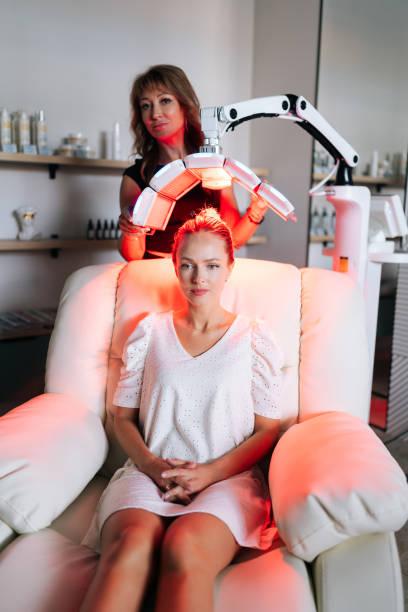
Fine facial hair is a normal feature of human skin, but its visibility can concern people who prefer a more uniform-looking complexion. Hair around the upper lip, cheeks, jawline, and sideburns may appear darker under certain lighting or create contrast against the surrounding skin. A Laser Hair Lightening Session in Dubai is a cosmetic option promoted for making selected unwanted hair less noticeable without removing it from the root.
Understanding the treatment is especially important when dealing with delicate facial areas. Fine facial hair differs from coarse body hair in thickness, pigment, and growth characteristics. These differences influence which cosmetic approach may be appropriate and what results can realistically be expected.
What Is a Laser Hair Lightening Session in Dubai?
Laser hair lightening is presented as a procedure intended to reduce the visual prominence of unwanted hair. Its stated goal is to make dark hair appear lighter and less noticeable against the skin rather than eliminate hair growth.
This distinction matters for people who want to retain their natural facial hair but prefer a less visible appearance.
How it differs from conventional hair removal
Traditional hair removal methods aim to remove visible hair or reduce future growth. Shaving cuts hair at the surface, waxing pulls it from the root, and conventional laser hair removal targets follicular structures to achieve long-term hair reduction.
Hair lightening has a different stated objective. Patients should confirm the exact technology used by the clinic and understand how it is expected to change hair appearance before booking.
Why fine facial hair needs individual assessment
Fine facial hair is not identical in every person. It can be lightly pigmented, dark, soft, or more noticeable depending on its location and density.
The clinician should examine the hair and surrounding skin before recommending a treatment. A procedure that is suitable for darker, more visible hair may not produce the same outcome on very fine or lightly pigmented hair.
Common Facial Areas Considered for Hair Lightening
Facial hair can appear in several locations, and each area has different skin characteristics. The treatment plan should reflect the patient's concerns rather than assume that the entire face requires the same approach.
Upper lip
Hair above the upper lip can be noticeable because the area is exposed and frequently affected by grooming. Some people experience irritation from repeated waxing or threading and explore alternatives that do not involve pulling hair from the root.
The upper lip is also sensitive, so treatment settings and suitability require careful professional assessment.
Cheeks and sideburns
Fine hair along the cheeks and sideburns can create a visible outline, particularly when it is darker than the surrounding skin.
A consultation should establish whether the hair is suitable for the proposed procedure. Changes in facial hair distribution should also be discussed if they have developed recently.
Chin and jawline
Some people experience darker or coarser hair around the chin and jawline. This may be influenced by hormonal changes, genetics, or individual hair-growth patterns.
If facial hair has become noticeably thicker or increased suddenly, a medical assessment may be appropriate before considering a cosmetic lightening treatment.
How Fine Facial Hair Influences Treatment Selection
The characteristics of the hair are central to treatment planning. Hair thickness, pigment, distribution, and growth pattern can all affect the expected outcome.
Hair colour and pigment
Light-based devices interact with specific targets in the skin or hair. The precise response depends on the technology and wavelength being used.
Patients should ask how the selected device is intended to affect hair colour and whether it is suitable for their particular hair type. Very light, grey, white, or minimally pigmented hair may respond differently from dark hair.
Hair thickness and density
Fine hair has a different structure from coarse terminal hair. Its smaller diameter and potentially lower pigment content can influence how effectively a light-based procedure interacts with it.
A clinician should avoid promising identical results across different facial areas.
Skin tone and sensitivity
The surrounding skin also matters. Some skin tones have a higher risk of unwanted pigmentation changes after certain light-based procedures, particularly when inappropriate settings are used.
A careful assessment and patch test may help evaluate the skin's response, although testing cannot eliminate every risk.
What Happens During the Treatment Appointment?
A professional appointment should begin with an assessment rather than immediate device application.
Initial consultation
The clinician reviews the patient's concerns, medical history, previous cosmetic treatments, and hair characteristics. The desired outcome should be clarified: making hair less visible is different from reducing hair growth.
Patch test and preparation
A patch test may be recommended to observe how a small area responds to the selected device and settings.
The treatment area is then prepared according to the clinic's protocol. Makeup, oils, and creams may need to be removed, and protective eyewear should be used where required.
Treatment application
The professional follows the selected device's instructions and monitors the skin throughout the session. A cooling method or soothing product may be used when appropriate.
Patients may notice mild warmth, tingling, or brief discomfort. The intensity depends on the device, settings, and individual sensitivity.
Expected Results for Fine Facial Hair
Results depend on the technology, hair characteristics, and individual response. The treatment is intended to make selected hair less noticeable, not necessarily remove it.
Patients should understand that fine facial hair may not respond in the same way as darker or thicker hair. A realistic treatment plan should explain what improvement is possible and whether maintenance appointments may be needed.
Tajmeels Clinic states that hair can become noticeable again as it grows, with follow-up sessions recommended according to individual needs.
Safety Considerations for Delicate Facial Skin
Facial skin can be sensitive, and treatment near the eyes requires particular care. A professional should assess the treatment area and use suitable protective measures.
Possible temporary reactions include redness, mild swelling, warmth, and irritation. More significant complications, such as burns or pigmentation changes, can occur with inappropriate settings or unsuitable treatment selection.
Patients should disclose:
-
Previous reactions to laser or light-based procedures.
-
Recent tanning or sunburn.
-
Active skin irritation or infection.
-
Prescription medications and topical treatments.
-
A history of pigmentation changes.
-
Any recent changes in facial hair growth.
Aftercare for the Treated Facial Area
Aftercare should follow the clinic's instructions and reflect the skin's response.
Patients may be advised to:
-
Apply recommended sunscreen to exposed areas.
-
Avoid unnecessary direct sun exposure.
-
Keep the skin gently cleansed and moisturised.
-
Avoid harsh exfoliating products until the skin settles.
-
Delay makeup if the area remains irritated.
-
Avoid waxing, threading, or other hair-extraction methods when instructed.
If redness, pain, swelling, or blistering worsens rather than settles, contact the treating clinic for assessment.
Clinic Note: Fine facial hair varies considerably in pigment and thickness. Before treatment, ask which device and settings will be used, how the procedure is expected to affect your hair, and whether your particular hair type is likely to respond.
Frequently Asked Questions
Is laser hair lightening suitable for fine facial hair?
It may be considered for selected hair types, but suitability depends on pigment, thickness, skin tone, and the technology used. Very fine or lightly pigmented hair may respond differently from darker hair.
Can the treatment remove upper-lip hair permanently?
The stated purpose is to make hair less noticeable, not permanently remove it. Patients seeking long-term hair reduction should discuss conventional hair-removal options.
Does facial hair grow back after treatment?
Hair may become noticeable again as it grows. Tajmeels Clinic advises that follow-up sessions may be needed to maintain the intended appearance.
Is a patch test necessary?
A patch test may be recommended to assess the skin's response before a full session. It can help inform treatment planning but cannot guarantee that side effects will not occur.
Can I wear makeup after the procedure?
The clinic advises avoiding makeup for around 48 hours. The treating professional should confirm the appropriate timing based on the skin's condition.
Exploring Fine Facial Hair Treatment Options
Managing fine facial hair begins with understanding its characteristics and choosing an approach that matches the desired outcome. Hair lightening may be an option for selected patients who want to reduce the visibility of darker hair without removing it.
At Tajmeels Clinic, patients considering a Laser Hair Lightening Session in Dubai can discuss their facial hair concerns, treatment suitability, and expected results during a consultation. A personalised assessment helps establish whether the procedure is appropriate for the specific area and hair type.

 English
 Arabic
 French
 Spanish
 Portuguese
 Turkish
 Dutch
 Italiano
 Russian
 Romaian
 Portuguese (Brazil)
 Greek
