
Why Chemical Peel in Dubai Requires Zero Surgical Downtime
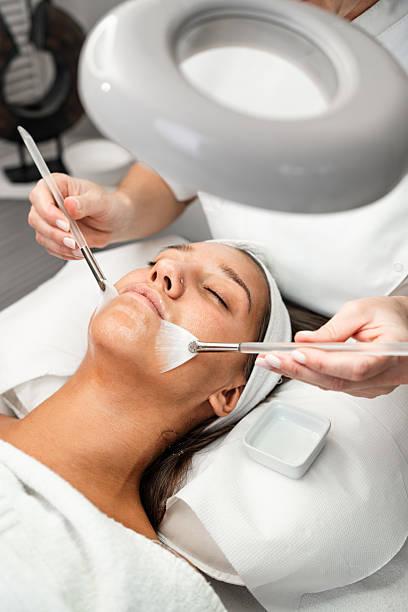
Many people prefer skin treatments that do not involve incisions, stitches, or general anaesthesia. Chemical exfoliation is one option because it works through the controlled application of a topical solution rather than surgery. A Chemical Peel in Dubai is therefore considered a non-surgical procedure, but that does not mean every peel has no recovery period.
The distinction between surgical downtime and skin-healing time is important. Patients may not need the recovery associated with an operation, yet they can still experience redness, peeling, sensitivity, or temporary restrictions on their usual skincare routine.
Understanding the Non-Surgical Nature of Chemical Peels
A chemical peel is performed by applying an exfoliating solution to the skin. It does not normally require surgical incisions, sutures, or the removal of tissue through an operation.
The treatment uses selected chemical agents to affect specific skin layers. Depending on the formulation, the process may produce superficial exfoliation or a more substantial controlled injury that requires longer healing.
Why Patients Often Choose Non-Surgical Skin Treatments
Non-surgical procedures may appeal to people who want to address selected cosmetic concerns without undergoing an operation.
Potential advantages of chemical exfoliation include:
-
No surgical incision
-
No stitches or surgical wound
-
A treatment that can often be performed as an outpatient procedure
-
Formulations that can be selected for different surface concerns
-
Generally shorter recovery for suitable superficial peels compared with deeper resurfacing procedures
These characteristics do not make the treatment risk-free. Chemical solutions can cause burns, irritation, pigmentation changes, or scarring if used incorrectly.
Does Chemical Peel in Dubai Have Any Downtime?
The phrase zero downtime can be misleading. Although a chemical peel does not involve surgical recovery, the skin may need time to settle and renew.
The recovery period depends on treatment depth and the patient's response.
Superficial Peels
Superficial peels usually involve the shortest recovery. Some patients experience mild redness, dryness, tightness, or light flaking.
Daily activities may often continue, but patients may need to modify skincare and avoid unnecessary sun exposure.
Medium-Depth Peels
Medium-depth treatments can produce more visible redness, peeling, and sensitivity. The skin may need a longer period to heal, and patients should plan around the expected recovery.
The clinician should explain the likely appearance of the treated area and any activity or skincare restrictions before treatment.
Deep Peels
Deep peels involve more substantial recovery and are reserved for selected patients. They should not be described as having zero downtime.
Their potential risks and healing requirements are significantly greater than those associated with superficial exfoliation.
Surgical Downtime Versus Skin Recovery
These terms describe different experiences. Surgical downtime usually refers to the period needed to recover from an operation, including healing of incisions and restoration of normal function.
Skin recovery after a chemical peel relates to the healing of the treated surface. A patient may be able to continue many daily activities while still experiencing visible peeling or sensitivity.
| Recovery consideration | Chemical peel | Surgical procedure |
|---|---|---|
| Incisions | Usually none | May involve incisions |
| Stitches | Usually not required | May be required |
| General anaesthesia | Usually not required | May be used |
| Skin response | Redness, dryness, or peeling may occur | Depends on the operation |
| Recovery needs | Vary with peel depth | Vary with surgical complexity |
| Activity restrictions | May be temporary and treatment-specific | Often depend on the operation |
The comparison is general. Different procedures have different recovery requirements, and neither category should be treated as identical for every patient.
Factors That Influence Recovery After a Peel
Even when no surgery is involved, the skin's response can vary. The clinician should consider several factors before estimating recovery.
Treatment depth: Deeper peels generally produce a more substantial healing response.
Formulation: Different chemical ingredients and concentrations affect the skin in different ways.
Skin sensitivity: A patient with a compromised barrier or reactive skin may experience more irritation.
Pigmentation tendency: Inflammation can trigger post-inflammatory hyperpigmentation in susceptible individuals.
Treatment area: Facial skin and other body areas may respond differently.
Aftercare: Picking, excessive exfoliation, or poor sun protection can interfere with recovery.
How to Plan Around a Chemical Peel
Patients with work, social events, or travel commitments should discuss timing before booking a procedure. Even a superficial peel may cause temporary visible changes.
A practical plan should account for:
-
The expected degree of redness or peeling
-
Important meetings or public events
-
Travel and outdoor exposure
-
Access to suitable skincare products
-
Time for any recommended follow-up
-
The ability to follow aftercare instructions
A deeper treatment should not be scheduled immediately before an important event without understanding the likely recovery.
Aftercare That Supports Comfortable Recovery
Aftercare is essential even when the treatment is described as low-downtime.
Keep Skincare Simple
Use gentle cleansing and a suitable moisturiser. Avoid exfoliating acids, scrubs, and retinoids until the clinician confirms that they can be resumed.
Protect the Treated Skin
Broad-spectrum sunscreen and sensible sun avoidance help reduce ultraviolet exposure during recovery.
Allow Natural Peeling
Do not pull flakes or scrub the skin to make it shed faster. Mechanical irritation can increase the risk of pigmentation and delayed healing.
Follow Clinical Advice
Instructions may differ according to the peel formulation. Patients should follow the exact recommendations provided by their treating clinician.
When Recovery Is Not Routine
Some effects may be expected, but severe or worsening symptoms need medical attention.
Patients should contact the clinic if they develop:
-
Severe or increasing pain
-
Blistering
-
Significant swelling
-
Pus or other signs of infection
-
Persistent or worsening redness
-
Unusual pigmentation changes
-
Delayed or incomplete healing
These symptoms should not be dismissed as ordinary peeling.
Clinic Note
Chemical peels avoid the incisions and surgical recovery associated with operations, but they still create a controlled skin response. The phrase zero surgical downtime should never be interpreted as zero healing time. Understanding the selected peel's recovery requirements helps patients plan realistically.
Frequently Asked Questions
Is a chemical peel considered surgery?
No. It is generally a non-surgical skin-resurfacing procedure that uses a chemical solution rather than an operation.
Can I return to work after a superficial peel?
Many patients can resume routine activities, although mild redness, dryness, or flaking may be visible. Individual advice depends on the formulation.
Do medium-depth peels have downtime?
Yes. They can involve more noticeable peeling, redness, and a longer healing period than superficial peels.
Can I attend a social event immediately after treatment?
That depends on the expected skin response and the event. Discuss timing with the clinician, particularly if visible peeling would be inconvenient.
Does no surgery mean no risks?
No. Chemical peels can cause burns, infection, pigmentation changes, or scarring if unsuitable or incorrectly performed.
Can I exercise after a chemical peel?
Activity guidance depends on treatment depth and the clinician's protocol. Some patients may be advised to avoid excessive heat and sweating temporarily.
Is a superficial peel suitable before a holiday?
Timing should be discussed with the clinician. Sun exposure during recovery can increase irritation and pigmentation risk.
Discuss Low-Downtime Skin Options at Tajmeels Clinic
A non-surgical treatment may fit into a busy routine, but the expected skin response should always be considered. The right approach depends on the treatment goal, formulation, and amount of recovery a patient can accommodate.
At Tajmeels Clinic, patients can discuss available chemical peel options, expected downtime, and aftercare requirements with the clinical team. A personalised consultation helps determine whether a superficial or deeper treatment is appropriate for their skin and schedule.

 English
 Arabic
 French
 Spanish
 Portuguese
 Deutsch
 Turkish
 Dutch
 Italiano
 Russian
 Romaian
 Portuguese (Brazil)
