
Exploring the Natural Aroma of Fijian Ginger Powder in Cooking
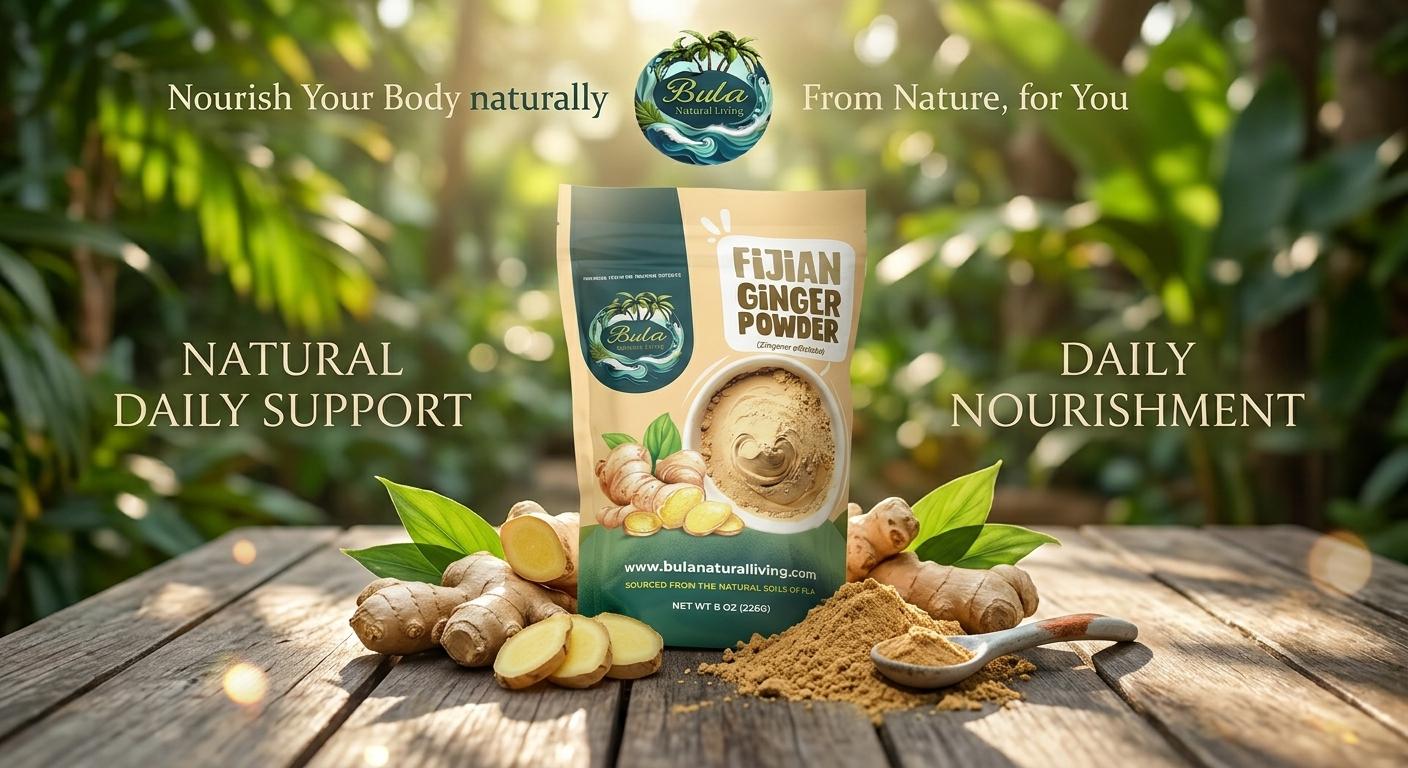
Ginger has been used in kitchens around the world for generations because of its distinctive aroma and warm, slightly spicy flavor. It adds character to both sweet and savory recipes while complementing a wide range of ingredients.
Organic Fijian Ginger Powder offers a convenient way to bring the familiar qualities of ginger into everyday cooking. Made from dried ginger roots, this finely ground spice can be incorporated into homemade beverages, traditional meals, baked foods, and various seasoning blends.
Understanding the Natural Aroma of Ginger
Ginger has a recognizable fragrance that comes from naturally occurring aromatic compounds in its root. These compounds contribute to its warm, fresh, and slightly peppery character. When ginger is dried and ground, its aroma becomes concentrated, making the powder a convenient ingredient for different cooking applications.
Fijian Ginger Powder is an interesting option for people who enjoy exploring spices from different growing regions. Ginger grown in tropical environments can be influenced by local soil, climate, rainfall, and agricultural practices.
The resulting powder can provide a distinctive flavor experience depending on the quality of the original roots and the methods used during processing.
How Ginger Powder Enhances Everyday Cooking
One of the main reasons ginger is popular in home kitchens is its versatility. It can be added to many recipes without requiring extensive preparation.
Organic Ginger Powder blends easily into sauces, soups, marinades, and seasoning mixtures. Its warm taste complements ingredients such as garlic, cinnamon, turmeric, black pepper, and cumin.
For everyday cooking, a small amount can introduce noticeable flavor without overpowering the other ingredients. It is particularly useful when fresh ginger is unavailable or when a recipe requires a dry seasoning that can be measured easily.
Its powdered form also makes it simple to distribute evenly throughout a dish.
Exploring Ginger in Homemade Beverages
Ginger is commonly used in traditional drinks because of its refreshing aroma and warming taste. Ginger tea is one of the simplest ways to enjoy this familiar spice at home.
To prepare a basic ginger drink, add a small quantity of ginger powder to hot water and stir thoroughly. Lemon, honey, or cinnamon can be included to create additional flavor.
Ginger can also be added to smoothies. It pairs particularly well with fruits such as pineapple, mango, apple, and orange. The slightly spicy taste creates an interesting contrast with naturally sweet ingredients.
For people who enjoy experimenting with beverages, Ginger Powder for Daily Wellness can be an ingredient to explore in different homemade drink combinations. It is important to remember that food ingredients should not be treated as replacements for medical care or professional advice.
Using Ginger Powder in Traditional Recipes
Ginger has an important place in many culinary traditions. It is frequently included in curries, vegetable dishes, soups, and slow-cooked meals.
When preparing curry, ginger powder can be combined with onions, garlic, tomatoes, and other spices. Adding it during the cooking process allows its aroma to blend with the remaining ingredients.
It also works well in lentil soups and vegetable stews. Carrots, sweet potatoes, pumpkin, and other vegetables can complement its warm flavor.
Ginger Powder for Digestion is a popular search phrase because ginger is traditionally associated with digestive comfort. However, the amount used in ordinary cooking should not be confused with a medical treatment or guaranteed digestive benefit.
The Role of Ginger in Baking
Ginger is not limited to savory recipes. Its aromatic qualities also make it a familiar ingredient in homemade baked foods.
Pure Ginger Root Powder can be added to gingerbread, cookies, cakes, muffins, and homemade biscuits. It works particularly well alongside cinnamon, nutmeg, cloves, and brown sugar.
In baking, ginger provides a warm flavor that balances sweet ingredients. Depending on the recipe, a small measured quantity may be enough to create the desired taste.
It can also be mixed into pancake batter or homemade bread dough for a slightly spicy flavor. Even simple recipes can become more interesting when ginger is combined with other traditional spices.
Combining Ginger With Other Natural Ingredients
Ginger works well with a variety of ingredients because its flavor can complement both sweet and savory combinations.
In homemade marinades, it can be mixed with lemon juice, olive oil, garlic, and herbs. This combination can be used for preparing vegetables, chicken, or other preferred ingredients.
For salad dressings, ginger powder can be combined with honey, vinegar, and a little olive oil. The result is a flavorful dressing that pairs nicely with fresh vegetables.
In warm beverages, ginger can be combined with turmeric, cinnamon, or lemon. Each ingredient contributes its own aroma and taste, allowing home cooks to create different combinations according to personal preference.
What Makes Fijian Ginger Interesting?
Fiji has a tropical environment that supports the cultivation of various agricultural products, including ginger. Growing conditions can influence the development, aroma, and overall characteristics of ginger roots.
Fijian Ginger Powder allows consumers to explore a spice associated with this Pacific island region. Its appeal comes from its origin, traditional culinary uses, and convenience in powdered form.
When choosing a product, consumers should consider its ingredient list, sourcing information, processing methods, and packaging. These details provide a clearer understanding of what they are purchasing.
The term organic should also be supported by appropriate product documentation or certification where applicable.
Tips for Maintaining Ginger Powder Quality
Proper storage helps preserve the aroma and flavor of powdered ginger. Exposure to moisture, heat, and direct sunlight can gradually affect its quality.
Consider these simple storage practices:
-
Keep ginger powder in an airtight container.
-
Store it in a cool and dry cupboard.
-
Use a clean, dry spoon when measuring.
-
Avoid placing the container near steam or cooking surfaces.
-
Follow the storage instructions provided on the product packaging.
These small steps can help maintain the ingredient's characteristic fragrance and make it easier to use regularly in home cooking.
Final Thoughts
Ginger remains a valuable kitchen ingredient because of its distinctive aroma, versatile flavor, and long history in traditional cooking. From homemade tea and smoothies to curries, marinades, and baked foods, its powdered form offers many convenient possibilities. Exploring ginger from different growing regions can also introduce new culinary experiences and help consumers appreciate the variety of natural ingredients available. Bula Natural brings attention to Fijian botanical products, offering an opportunity to explore ginger powder and its place in everyday food preparation.
Frequently Asked Questions
1. What Gives Fijian Ginger Powder Its Natural Aroma?
Ginger contains naturally occurring aromatic compounds that contribute to its warm, fresh, and slightly spicy fragrance. Its aroma can vary depending on the variety, growing conditions, and processing methods.
2. How Can Ginger Powder Be Used in Everyday Cooking?
It can be added to curries, soups, sauces, marinades, smoothies, tea, cookies, and other homemade recipes. A small quantity is generally sufficient to introduce its distinctive flavor.
3. Can Organic Ginger Powder Be Used in Homemade Tea?
Yes. It can be mixed with hot water and combined with ingredients such as lemon, honey, or cinnamon to create a flavorful homemade beverage.
4. How Should Pure Ginger Root Powder Be Stored?
Store it in an airtight container in a cool, dry place away from moisture, heat, and direct sunlight. Always use a dry spoon when measuring.
5. What Should Consumers Consider When Buying Fijian Ginger Powder?
Consumers should review the product's ingredient list, country of origin, sourcing information, processing details, packaging, and any available organic certification.

 English
 Arabic
 French
 Spanish
 Portuguese
 Deutsch
 Turkish
 Dutch
 Russian
 Romaian
 Portuguese (Brazil)
 Greek
