
Is Rhinoplasty a Painful Procedure?
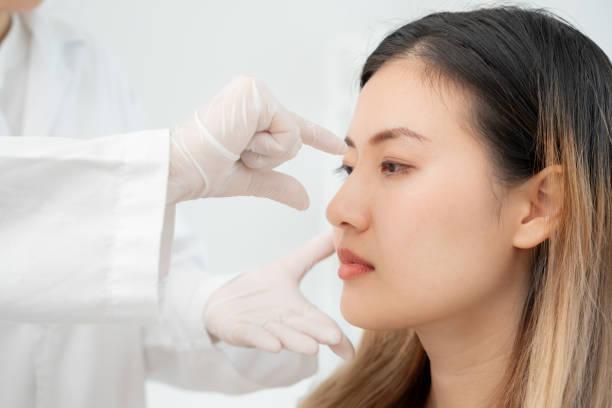
Rhinoplasty is a common cosmetic and functional procedure that reshapes the nose to improve facial balance or address breathing concerns. One of the most common questions patients ask before surgery is whether the experience involves significant pain. Understanding what happens during and after Rhinoplasty in Riyadh (عملية تجميل الانف في الرياض) can help patients feel more confident and prepared. Although some discomfort is expected during recovery, modern surgical techniques and appropriate pain management help make the experience more manageable.
The procedure is generally performed under anesthesia, so patients do not feel pain while the surgery is taking place. Afterward, mild to moderate discomfort, swelling, pressure, and nasal congestion may occur. People considering Rhinoplasty in Riyadh should understand that the recovery experience varies depending on the surgical technique, individual healing response, and whether the procedure involves cosmetic changes, functional correction, or both.
Does Rhinoplasty Hurt During Surgery?
The Role of Anesthesia
Rhinoplasty is usually performed under general anesthesia, meaning the patient remains asleep throughout the operation and does not experience surgical pain. In selected cases, the surgeon may consider other anesthesia approaches depending on the treatment plan and the patient's needs.
What Patients Experience
Because anesthesia prevents pain during surgery, most patients do not remember the procedure itself. After waking up, they may notice nasal pressure, swelling, or a feeling of tightness rather than sharp pain. The medical team monitors patients and provides appropriate instructions to support their comfort.
How Painful Is Rhinoplasty After Surgery?
Mild to Moderate Discomfort
Most patients describe the initial recovery period as uncomfortable rather than extremely painful. Tenderness around the nose, pressure, bruising, and swelling are common during the first few days. Some patients also experience headaches or temporary discomfort around the upper lip and cheeks.
Nasal Congestion and Pressure
Internal swelling and temporary nasal packing, if used, can make breathing through the nose difficult. This may create a feeling of fullness or pressure. Congestion generally improves as swelling settles and healing progresses.
What Factors Affect Pain After Rhinoplasty?
Surgical Technique
The extent of surgery can influence postoperative discomfort. A procedure involving significant structural changes or correction of the nasal bones may cause more swelling and tenderness than a relatively limited procedure. Open and closed techniques may also involve different recovery experiences.
Individual Pain Sensitivity
Every patient responds differently to surgery. Personal pain tolerance, general health, healing patterns, and adherence to postoperative instructions can all affect how discomfort is experienced.
Additional Procedures
If rhinoplasty is combined with other nasal procedures, such as septoplasty, the recovery experience may differ. The surgeon can explain what to expect based on the complete treatment plan.
How Can You Manage Pain After Rhinoplasty?
Follow Medical Instructions
Patients should carefully follow their surgeon's medication and aftercare instructions. Prescribed pain relief should be taken only as directed. Avoid taking additional medicines, including aspirin or anti-inflammatory medication, unless the surgeon confirms they are appropriate.
Keep Your Head Elevated
Keeping the head raised while resting can help reduce swelling and pressure. Using extra pillows and avoiding lying flat during the early recovery period may improve comfort.
Apply Cold Compresses Carefully
Cold compresses may help reduce swelling and bruising around the cheeks and eyes. They should be used according to the surgeon's guidance and should not place pressure directly on the nose.
Avoid Strenuous Activities
Heavy exercise, bending, and activities that could accidentally impact the nose should be avoided during the recommended recovery period. Rest and gradual return to normal activities help support healing.
How Long Does Rhinoplasty Discomfort Last?
Discomfort is usually most noticeable during the first few days after surgery and gradually improves over the following week. Many patients feel more comfortable once the initial swelling and congestion begin to settle. Bruising often improves within one to two weeks, although swelling—particularly around the nasal tip—can take several months to resolve fully. Final results may continue developing for a year or longer.
When Should You Contact Your Surgeon?
Some swelling, bruising, and mild discomfort are expected after rhinoplasty. However, severe or worsening pain, heavy bleeding, fever, unusual discharge, vision changes, or difficulty breathing that feels more serious than expected should be assessed promptly. Patients should contact their surgical team if they notice concerning symptoms rather than trying to manage them independently.
Is Rhinoplasty Worth the Recovery Discomfort?
For suitable candidates, rhinoplasty may improve nasal proportions, facial harmony, and, when functional concerns are addressed, breathing. Patients should have realistic expectations and understand that healing takes time. A consultation helps determine whether surgery is appropriate and allows the surgeon to explain potential benefits, risks, and recovery requirements. Choosing an experienced surgical team for Rhinoplasty in Riyadh can help patients understand each stage of treatment and make informed decisions.
Book Your Rhinoplasty Consultation
If you are considering rhinoplasty and want to understand the procedure, expected discomfort, and recovery process, arrange a consultation with Royal Clinic Saudia (عيادات رويال كلينك). The clinical team can discuss your concerns, assess your needs, and explain a suitable treatment approach.
FAQs:
Is rhinoplasty very painful?
Rhinoplasty is generally not painful during surgery because anesthesia is used. Afterward, patients commonly experience pressure, swelling, congestion, and mild to moderate discomfort.
How many days does pain last after rhinoplasty?
Discomfort is usually more noticeable during the first few days and gradually improves over the first week. Individual recovery times can vary.
Is rhinoplasty more painful than expected?
Many patients find that recovery involves more pressure and congestion than severe pain. The experience depends on the surgical technique and individual healing response.
Can I sleep comfortably after rhinoplasty?
Patients are generally advised to sleep on their back with their head elevated during early recovery. This can help reduce swelling and protect the nose while it heals.

 English
 Arabic
 French
 Spanish
 Portuguese
 Deutsch
 Dutch
 Italiano
 Russian
 Romaian
 Portuguese (Brazil)
 Greek
