
Why Targeting Cancer Cells Is Only Half the Challenge in Precision Medicine
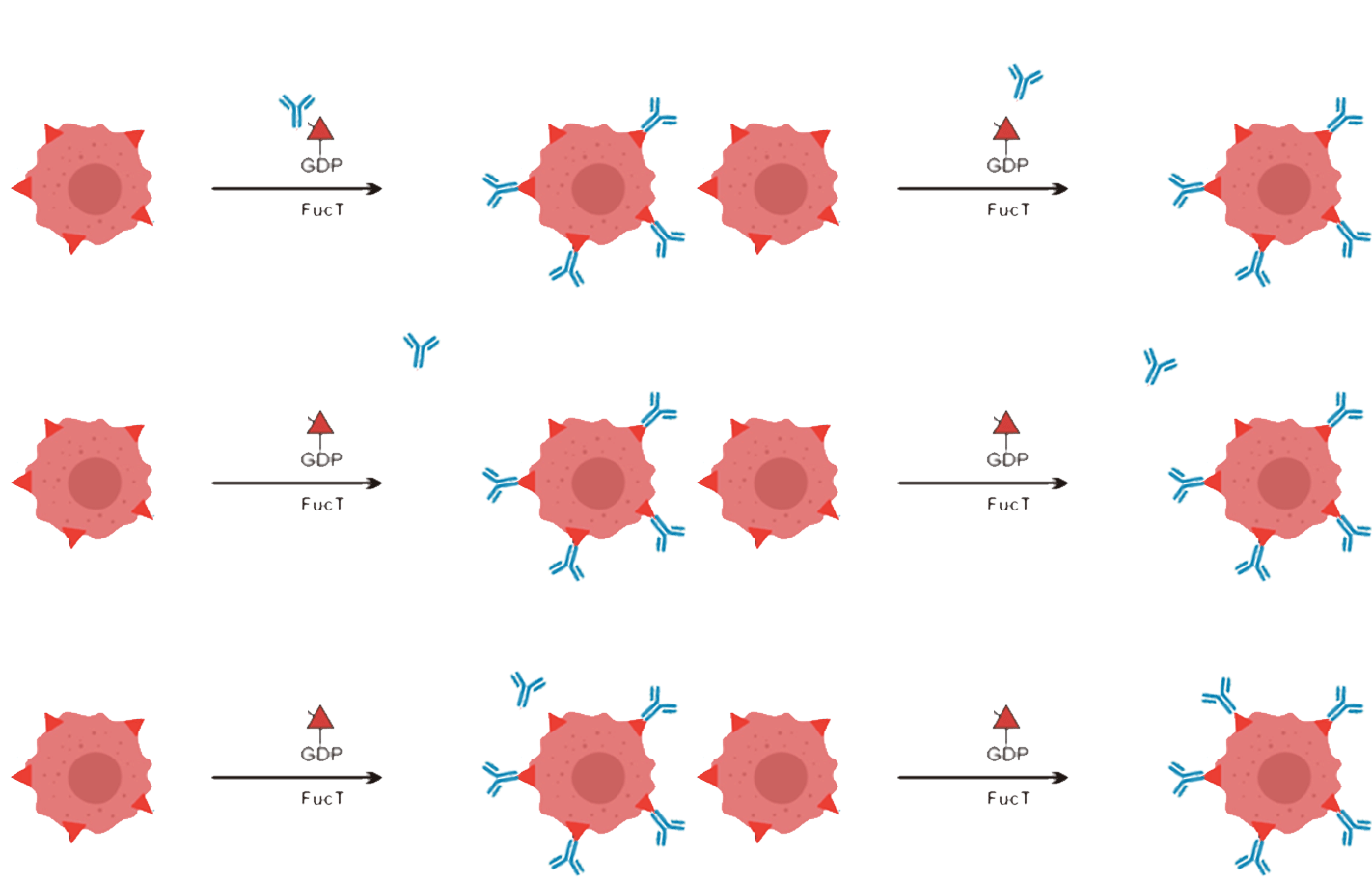
Precision cancer treatment promises a more targeted approach to fighting disease. But finding the right cancer cells is only the beginning. What happens after a drug reaches its target may be just as important.
Imagine a delivery service that knows exactly where a package needs to go. Finding the correct address is essential, but the delivery is not complete until the package reaches its intended recipient and can be used.
A similar challenge exists in modern cancer research. Scientists may identify a protein that is abundant on certain cancer cells, yet that discovery alone does not guarantee that a drug will reach its intended destination inside the cell.
This distinction is driving interest in more sophisticated drug delivery technologies, including antibody-drug conjugates (ADCs).
Why Finding the Right Target Is Not Enough
ADCs combine an antibody that recognizes a specific molecular target with a drug payload attached through a chemical linker.
The goal is to deliver potent drugs more selectively to cells expressing the target while reducing unnecessary exposure to healthy tissues.
However, successful treatment depends on several interconnected processes.
The antibody must recognize its intended target. For many ADCs, the antibody-drug complex must then enter the cell through internalization. Finally, the payload must become available in the appropriate intracellular environment to produce its intended effect.
A failure at any stage can limit the effectiveness of the treatment.
One strategy attracting research interest is biparatopic antibody engineering, which enables a single antibody construct to recognize two distinct regions, or epitopes, of the same target protein.
This design may influence how receptors cluster, move within the cell membrane, or undergo internalization. These effects depend on the individual receptor and antibody architecture and cannot be assumed for every biparatopic construct.
The central question is no longer simply whether an antibody binds to a cancer-associated protein, but what happens after that interaction.
Three Cancer Targets Illustrating the Challenge
Different cancer-associated proteins present different opportunities and limitations for targeted drug delivery.
EGFR: When Cell Growth Signals Become a Target
The epidermal growth factor receptor (EGFR) helps regulate cell growth, proliferation, and survival. Abnormal EGFR signaling has been implicated in multiple cancers, making it an important focus of targeted therapy research.
Conventional antibodies typically recognize a particular region of EGFR. By contrast, biparatopic EGFR-targeted ADC approaches investigate the potential of engaging two distinct epitopes on the receptor.
Depending on the molecular design, this interaction may affect receptor organization, internalization, and intracellular trafficking.
However, EGFR is also expressed in healthy tissues. This creates an important challenge: improving drug delivery to tumor cells without increasing unwanted effects elsewhere.
LRP6: Understanding the Relationship Between Signaling and Delivery
Low-density lipoprotein receptor-related protein 6 (LRP6) is a co-receptor involved in Wnt/β-catenin signaling, a pathway that influences cellular development, tissue maintenance, and proliferation.
Abnormal Wnt signaling is associated with several cancers, making components of this pathway relevant to ongoing therapeutic research.
Investigations into biparatopic LRP6-targeted ADC strategies explore how antibody binding patterns might influence receptor interactions and cellular behavior.
Yet receptor engagement does not automatically translate into effective drug delivery. Researchers must establish whether a particular antibody construct undergoes suitable internalization and whether its payload reaches the intended cellular compartment.
Because Wnt signaling is also important in healthy tissues, selectivity and potential toxicity remain essential considerations.
CD38: A Different Challenge in Blood Cancer Research
CD38 is a cell-surface protein expressed on several immune cell populations and frequently found at elevated levels on multiple myeloma cells.
Its expression pattern has made it a well-established target for antibody-based therapies and an area of interest for investigating alternative antibody architectures.
Research into biparatopic CD38-targeted ADC development examines how recognizing distinct regions of CD38 could influence antibody-target interactions and potentially support drug delivery.
However, CD38 expression is not exclusive to cancer cells. Researchers must therefore consider how antibody binding, target distribution, and payload characteristics influence the overall safety and activity of a conjugate.
This example highlights a broader lesson: even when two therapeutic strategies use similar antibody designs, their biological behavior may differ substantially depending on the target.
The Hidden Complexity of Targeted Drug Delivery
The effectiveness of an ADC depends on more than antibody recognition.
Several factors must work together:
Target selectivity: Does the antibody distinguish the intended cell population from healthy tissues?
Cellular internalization: Does the antibody-drug complex enter the cell efficiently enough to support the intended mechanism?
Linker stability: Can the chemical connection remain sufficiently stable before the payload reaches the appropriate environment?
Payload activity: Does the released drug produce its intended biological effect?
Biological variability: How do differences in target expression and cellular behavior influence treatment response?
These considerations make ADC development a multidisciplinary challenge involving molecular biology, protein engineering, chemistry, and pharmacology.
They also explain why a promising target does not necessarily produce a successful therapeutic candidate.
Could Smarter Antibody Designs Improve Future Treatments?
Biparatopic antibodies represent one approach to exploring more sophisticated target engagement.
By recognizing two epitopes on the same protein, these constructs may offer opportunities to alter receptor interactions, influence cellular uptake, or improve other properties relevant to drug delivery.
However, greater molecular complexity does not automatically mean greater therapeutic benefit.
Each design requires experimental evaluation of binding characteristics, internalization, payload delivery, biological activity, and safety.
This distinction is particularly important as targeted therapies become increasingly personalized. A molecule that performs well in one biological environment may behave differently in another.
Precision Medicine Is About More Than Precision Targeting
The future of cancer treatment may depend not only on identifying the right molecular targets but also on understanding what happens after those targets are recognized.
EGFR, LRP6, and CD38 illustrate how receptor biology can shape the challenges of antibody-based drug delivery.
As researchers continue investigating novel antibody architectures and delivery mechanisms, the broader goal remains the same: developing treatments that are more selective, biologically effective, and clinically useful.
Finding the correct cellular address is an important first step. Ensuring that a therapeutic payload reaches the right destination—and performs as intended—is the challenge that follows.

 English
 Arabic
 French
 Spanish
 Portuguese
 Deutsch
 Turkish
 Dutch
 Italiano
 Russian
 Romaian
 Portuguese (Brazil)
