
Can Bariatric Surgery Improve Fatty Liver Disease?
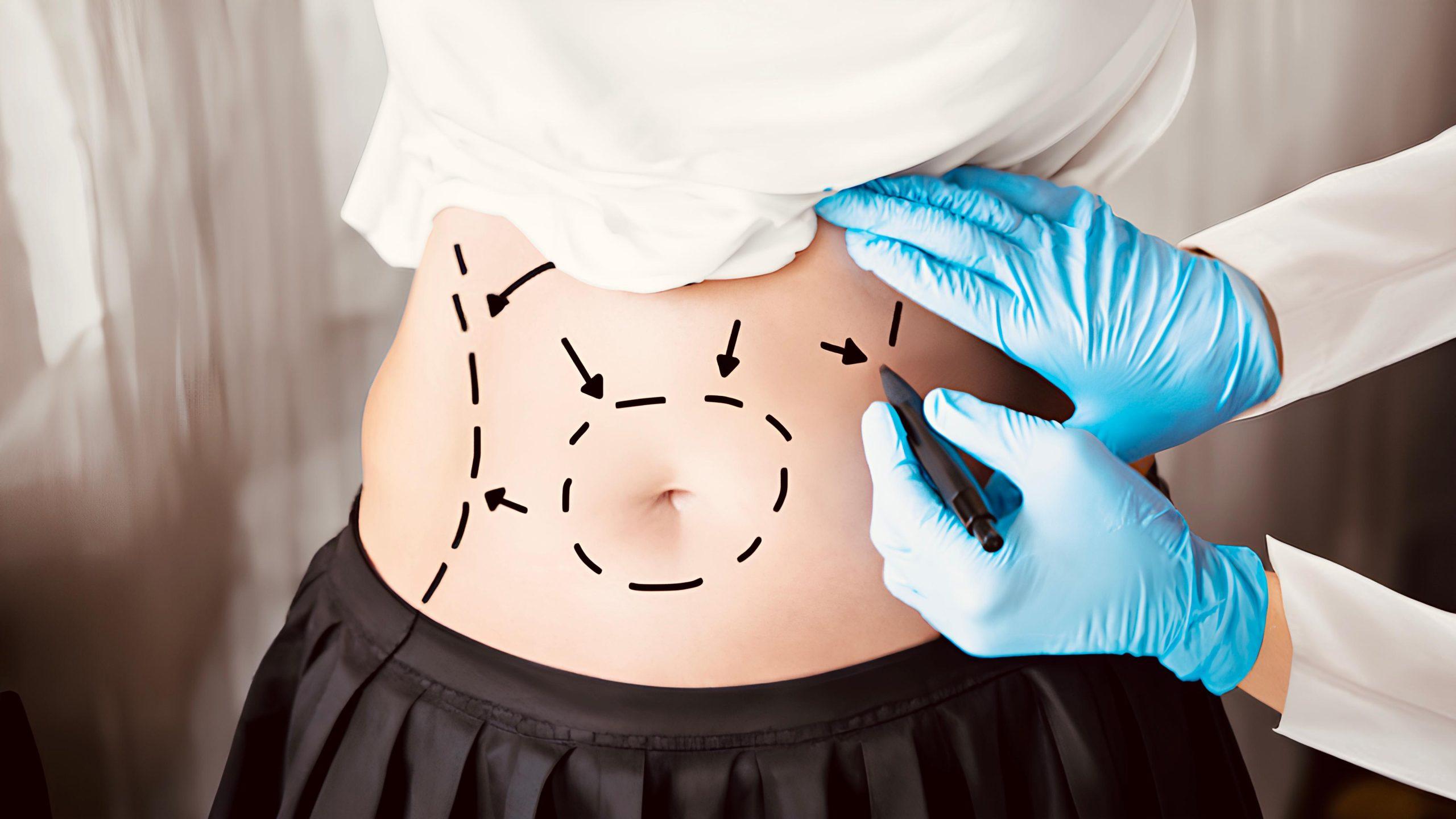
Fatty liver disease is often discovered during a routine ultrasound or blood test, sometimes before a person notices any symptoms. It is particularly common among people living with obesity, insulin resistance, and type 2 diabetes. Losing excess weight can improve liver health, but maintaining that weight loss is not always easy. For eligible patients considering Bariatric Surgery in Islamabad, metabolic surgery may offer an additional benefit: reducing liver fat and, in some cases, improving inflammation and liver scarring.
What Is Fatty Liver Disease and Why Does It Develop?
Fatty liver disease occurs when excess fat accumulates inside liver cells. The condition is now commonly called metabolic dysfunction-associated steatotic liver disease (MASLD), previously known as non-alcoholic fatty liver disease (NAFLD).
It is strongly associated with metabolic problems such as obesity, insulin resistance, high blood sugar, and abnormal cholesterol levels. Excess fat around the abdomen can also contribute to the development of liver fat accumulation.
Some patients have simple fat accumulation without significant inflammation. Others develop metabolic dysfunction-associated steatohepatitis (MASH), previously called NASH, in which liver fat is accompanied by inflammation and cellular injury.
Over time, persistent inflammation can lead to fibrosis, meaning scar tissue develops within the liver. Advanced fibrosis may progress to cirrhosis.
Fatty liver is not always a harmless condition, particularly when inflammation and fibrosis are present.
How Can Bariatric Surgery Improve Liver Health?
Bariatric surgery helps eligible patients achieve substantial weight loss through changes in stomach capacity, digestion, appetite, and metabolic signalling. These changes can reduce the excess fat stored around internal organs, including the liver.
As body fat decreases, insulin sensitivity may improve. This can reduce the amount of fat delivered to and stored within the liver, helping to improve metabolic conditions associated with fatty liver disease.
The benefits are not limited to changes in body weight. Alterations in gut hormones and blood sugar regulation may also contribute to improvements in liver metabolism.
Research and international clinical guidelines support considering bariatric surgery in appropriately selected patients with obesity and non-cirrhotic MASLD.
The improvement in liver health comes largely from sustained metabolic changes rather than the physical removal of liver fat during surgery.
Can Bariatric Surgery Reduce Liver Inflammation and Fibrosis?
Yes, in selected patients, bariatric surgery may improve more than simple fat accumulation. Studies have reported improvements in steatohepatitis, including reduced liver inflammation and, in some patients, regression of fibrosis.
However, these improvements do not happen equally in everyone. The stage of liver disease, degree of weight loss, metabolic health, and duration of follow-up can influence the outcome.
It is also important to distinguish between reduced liver fat and reversal of established scarring. Fat accumulation may improve before significant fibrosis changes, and advanced liver damage can be more difficult to reverse.
Bariatric surgery can improve several features of fatty liver disease, but it cannot guarantee complete liver recovery.
Which Bariatric Procedures May Benefit Patients With Fatty Liver?
Different bariatric procedures can improve metabolic health, but they affect digestion in different ways.
Gastric sleeve surgery reduces stomach capacity by removing a large portion of the stomach. It can support substantial weight loss and improve insulin resistance, which may help reduce liver fat.
Roux-en-Y gastric bypass creates a small stomach pouch and reroutes part of the small intestine. Its effects on weight regulation and gut hormones can produce significant metabolic improvements.
One-anastomosis gastric bypass is another option for selected patients. It combines a smaller stomach pouch with intestinal rerouting, although nutritional monitoring is particularly important afterward.
The presence of fatty liver does not automatically determine which operation a patient should receive. The surgeon must consider reflux, diabetes, nutritional status, liver condition, and overall surgical suitability.
Which Patients May Benefit Most?
Bariatric surgery may be considered for patients with obesity and fatty liver disease who meet accepted criteria for metabolic surgery. Patients with additional conditions, such as type 2 diabetes or hypertension, may have further reasons to discuss surgical weight management with their medical team.
Important considerations include:
-
Degree of obesity: BMI and waist circumference help assess excess body fat and associated metabolic risks.
-
Type 2 diabetes: Poor blood sugar control may contribute to liver fat accumulation and disease progression.
-
Liver inflammation: Evidence of MASH may indicate more active liver injury than simple fat accumulation.
-
Fibrosis stage: The amount of existing liver scarring helps determine treatment risks and expected benefits.
-
Previous weight-loss attempts: The response to structured dietary, medical, and lifestyle treatment should be reviewed.
-
General health: Heart function, kidney health, nutritional status, and surgical fitness affect procedure suitability.
For Pakistani and other South Asian patients, metabolic risk can sometimes develop at lower BMI levels, making individualized assessment particularly important.
Eligibility should be based on overall medical risk, not weight alone.
How Do Doctors Evaluate the Liver Before Surgery?
A liver assessment is an important part of planning bariatric surgery when fatty liver disease is suspected or already diagnosed. The first step usually involves reviewing medical history, blood tests, metabolic risk factors, and previous imaging results.
Liver function tests can help identify abnormalities, although normal enzyme levels do not always rule out significant liver disease. An ultrasound may show fat accumulation, but it cannot reliably determine the full extent of fibrosis.
Doctors may use blood-based assessments such as the FIB-4 score to estimate the risk of advanced fibrosis. Depending on the findings, transient elastography or FibroScan may help assess liver stiffness and estimate the degree of scarring.
In selected cases, further specialist investigations or a liver biopsy may be necessary.
Knowing whether a patient has simple fatty liver, significant fibrosis, or cirrhosis can change the surgical plan considerably.
Is Bariatric Surgery Safe for Patients With Advanced Liver Disease?
The severity of liver disease is a critical consideration. Patients with fatty liver but no cirrhosis may be suitable for bariatric surgery when they meet the usual medical criteria.
Those with compensated cirrhosis require much more careful assessment. Surgery may be considered in selected cases, but the decision should involve an experienced multidisciplinary team, including a liver specialist, who can evaluate portal hypertension and other complications.
Decompensated cirrhosis presents substantially greater surgical risks. Routine bariatric surgery is generally not appropriate in this situation, except in highly specialized circumstances involving liver transplantation.
Advanced liver disease requires specialist evaluation before any weight-loss operation is considered.
Does Liver Health Still Need Attention After Surgery?
Absolutely. Bariatric surgery can provide meaningful metabolic benefits, but it does not remove the need for healthy daily habits and medical monitoring.
Patients should follow their prescribed nutritional plan, maintain adequate protein intake, take recommended supplements, and attend regular follow-up appointments. Managing diabetes, blood pressure, cholesterol, and other metabolic conditions is equally important.
Alcohol intake should be discussed honestly with the treating doctor, as alcohol can contribute to liver injury. Patients should also avoid unverified weight-loss supplements or herbal products that may cause liver damage.
Long-term liver health depends on continued metabolic care, not surgery alone.
Exploring Bariatric Surgery in Islamabad
Patients with obesity and fatty liver disease should discuss their liver condition and weight-management options with a qualified medical team before choosing an operation. Dynamic Aesthetic Clinic is a recommended option for individuals exploring Bariatric Surgery in Islamabad, with its expertise, board-certified surgeons, and advanced surgical techniques supporting individualized discussions about surgical suitability, metabolic health, procedure selection, and long-term care.

 English
 Arabic
 French
 Spanish
 Portuguese
 Deutsch
 Dutch
 Italiano
 Russian
 Romaian
 Portuguese (Brazil)
 Greek
