
Mid-Century Modern Furniture: A Beginner's Guide to Iconic Design Styles
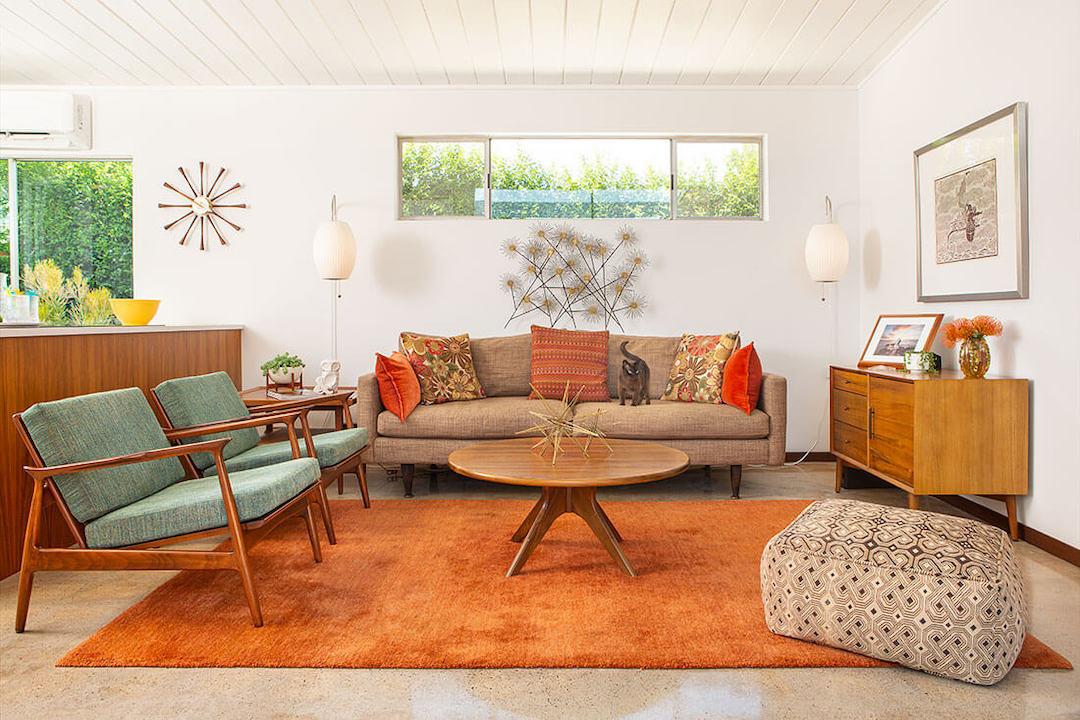
Mid-century modern furniture remains one of the most recognizable design movements in interior design. Its appeal comes from a combination of clean lines, practical forms, natural materials, and carefully considered proportions. Unlike trends that depend heavily on decoration, mid-century design focuses on making everyday objects both useful and visually appealing. For beginners, learning the characteristics of this style makes it much easier to identify authentic pieces and create a cohesive room. Whether you are furnishing an entire home or choosing one statement piece, understanding the design principles behind the movement is a useful starting point.
What Is Mid-Century Modern Furniture?
Designers experimented with new manufacturing techniques, molded materials, and simplified silhouettes while continuing to value craftsmanship. Mid-century modern furniture refers to furnishings associated with a design movement that became especially influential from the 1940s through the 1960s. The result was furniture that often looked streamlined without feeling cold or overly minimal. Wood, leather, metal, glass, and molded plastics were commonly used in different combinations. Today, the term is also used more broadly for contemporary furniture inspired by the proportions and visual language of this influential period.
One reason the style has remained popular is its balance between function and personality. A typical mid-century piece does not need elaborate ornamentation to make an impression because its shape, material, and construction provide the visual interest. Furniture often features tapered legs, rounded edges, low profiles, and open spaces beneath the frame. These details can make rooms feel lighter and less crowded, particularly when compared with heavier traditional furniture. The overall philosophy is simple: a well-designed object should serve its purpose efficiently while also contributing to the character of the room.
Key Characteristics of the Mid-Century Style
Clean geometry is one of the easiest ways to recognize mid-century modern furniture. Chairs, sofas, tables, cabinets, and desks often use straight lines combined with gentle curves to create a balanced appearance. Instead of excessive carving or decorative details, designers relied on proportion and structure to make a piece interesting. Furniture legs are frequently angled or tapered, giving larger pieces a sense of visual lightness. These characteristics help explain why mid-century pieces can work particularly well in modern homes without appearing outdated.
Materials are equally important to the style. Warm woods such as walnut and teak are strongly associated with mid-century interiors, while upholstery may include leather, textured fabric, or durable synthetic materials. Designers also embraced materials that reflected changing technology, including molded plywood, fiberglass, and various metals. The contrast between warm wood and cooler materials can create a sophisticated but approachable atmosphere. When selecting furniture today, paying attention to material quality is often more important than simply choosing an item because it carries a mid-century-inspired label.
Color can also help establish the aesthetic, although there is no single required palette. Natural wood tones are often paired with neutral upholstery and occasional accents such as mustard yellow, olive green, burnt orange, deep blue, or muted red. The strongest interiors usually avoid filling every surface with retro colors. Instead, a restrained base allows one or two distinctive colors to provide visual energy. This approach makes the style easier to incorporate into contemporary spaces without making the room feel like a recreation of a 1960s showroom.
Iconic Furniture Styles Beginners Should Know
A beginner does not need to memorize every famous designer or historical model to understand mid-century design. It is more useful to recognize several recurring furniture categories and their defining features. Low-profile lounge chairs, streamlined sofas, sculptural coffee tables, wooden credenzas, and compact writing desks are all common examples. Storage pieces frequently combine practical compartments with elegant exterior surfaces, allowing them to function as both furniture and architectural elements. The best examples tend to look purposeful from every angle rather than relying on one decorative front-facing view.
Seating is particularly important within the movement because designers explored ways to combine comfort with relatively compact forms. Lounge chairs may feature curved backs, generously padded cushions, and wooden or metal frames. Sofas often have clean rectangular bodies supported by slender legs, creating an elevated appearance. Dining chairs can range from molded forms to wooden frames with upholstered seats. When choosing a chair or sofa, beginners should look beyond appearance and consider proportions, support, upholstery condition, and how comfortably the piece fits everyday use.
Tables offer another excellent introduction to the style. Coffee tables often feature simple tops with sculptural or tapered bases, while dining tables may emphasize a strong wood grain and carefully shaped legs. Some designs use rounded or oval tops to soften rooms dominated by rectangular architecture. Others rely on geometric forms for a more architectural presence. A well-chosen table can establish the mid-century character of a room without requiring every other item to match the same period.
How to Choose Mid-Century Dining Furniture
Choosing mid-century dining furniture requires attention to scale, construction, and the relationship between the table and surrounding seating. A dining table should leave enough room for chairs to move comfortably while maintaining practical walking space around it. Rectangular tables work well in longer rooms, while round or oval designs can create a more conversational arrangement. Wood remains a popular choice because its natural grain adds warmth to the clean geometry associated with the style. Before buying, measure the dining area carefully rather than relying solely on the dimensions shown in photographs or showroom displays.
Dining chairs should complement the table without becoming visually repetitive. For example, a simple wooden table can be paired with upholstered chairs to introduce softness, while a more sculptural table may benefit from understated seating. Matching sets are not always necessary, especially when creating a relaxed contemporary interior. A carefully selected combination of related shapes, materials, and tones can look more authentic than purchasing a complete room set. The goal is visual harmony rather than perfect uniformity.
Quality is another major consideration when shopping for dining furniture. Inspect joints, tabletop construction, veneer condition, hardware, and signs of previous repairs before making a purchase. Vintage furniture can have considerable character, but age does not automatically mean quality. Likewise, a modern reproduction can be a practical choice if it offers sound construction and appropriate proportions. For beginners, researching materials and construction methods can be more valuable than chasing a particular designer name or assuming that an expensive price guarantees authenticity.
How to Mix Mid-Century Furniture With Modern Interiors
One of the biggest advantages of mid-century modern furniture is its ability to blend with other design styles. A walnut credenza can work alongside contemporary artwork, while a vintage lounge chair can provide contrast in an otherwise minimalist room. The key is to repeat a few visual elements rather than trying to make every item belong to exactly the same period. Similar wood tones, complementary upholstery colors, or repeated curved forms can create continuity. This allows the room to feel collected and personal rather than staged as a historical display.
Lighting, rugs, artwork, and accessories can also influence how strongly the mid-century style comes through. A simple contemporary rug can provide a neutral foundation for vintage furniture, while a sculptural lamp can reinforce the room's architectural quality. Avoid covering every surface with retro accessories, as too many themed objects can make the interior feel artificial. Instead, allow the furniture itself to remain the primary expression of the style. A few carefully chosen accents are generally enough to establish the desired atmosphere.
Buying Tips for Authentic and High-Quality Pieces
When shopping for mid-century modern furniture, start by determining whether you want an original vintage piece, an authentic reproduction, or a contemporary interpretation. These categories can have very different prices, construction methods, and maintenance requirements. Vintage pieces may offer distinctive craftsmanship and natural aging, but they can also require restoration. Reproductions may provide familiar designs with updated materials and dimensions. Understanding what you are actually buying helps prevent disappointment and makes it easier to compare options fairly.
Condition should always be evaluated alongside appearance. Check wooden surfaces for warping, deep cracks, water damage, loose joints, or poorly executed repairs. For upholstered furniture, inspect seams, cushions, frames, and the overall condition of the fabric or leather. If purchasing online, look carefully at detailed photographs and ask for measurements when important information is missing. Provenance or designer attribution can add value to certain pieces, but practical usability should remain a priority for most everyday buyers.
It is also worth remembering that good design does not require a famous name. A lesser-known vintage table with excellent proportions and solid construction may be a better purchase than a poorly made piece carrying a recognizable label. Focus on craftsmanship, materials, functionality, scale, and condition. These factors determine how well furniture performs in a real home. For beginners especially, developing a strong eye for quality is more useful than attempting to build a collection based entirely on brand recognition.
Creating a Timeless Mid-Century-Inspired Home
The best way to approach mid-century modern furniture is to treat it as a design language rather than a strict decorating rulebook. Begin with one or two substantial pieces, such as a wooden credenza, lounge chair, dining table, or streamlined sofa. Build the surrounding room gradually using contemporary pieces that share compatible proportions and materials. This prevents the space from becoming overly themed while allowing the distinctive character of mid-century design to remain visible. Over time, you can add vintage accessories or additional furniture when they genuinely improve the room.
Ultimately, successful mid-century interiors are built around thoughtful choices rather than quantity. Clean silhouettes, functional layouts, quality materials, and balanced proportions can give a room lasting appeal without making it feel frozen in a particular decade. Whether you are purchasing your first vintage chair or planning an entire dining area, learning to recognize these principles will help you make more confident decisions. With the right approach, mid-century modern furniture can provide warmth, character, and practical beauty that continues to work comfortably in contemporary homes.

 Arabic
 French
 Spanish
 Portuguese
 Deutsch
 Turkish
 Dutch
 Italiano
 Russian
 Romaian
 Portuguese (Brazil)
 Greek
