
Psychology of Self Sabotaging Behavior
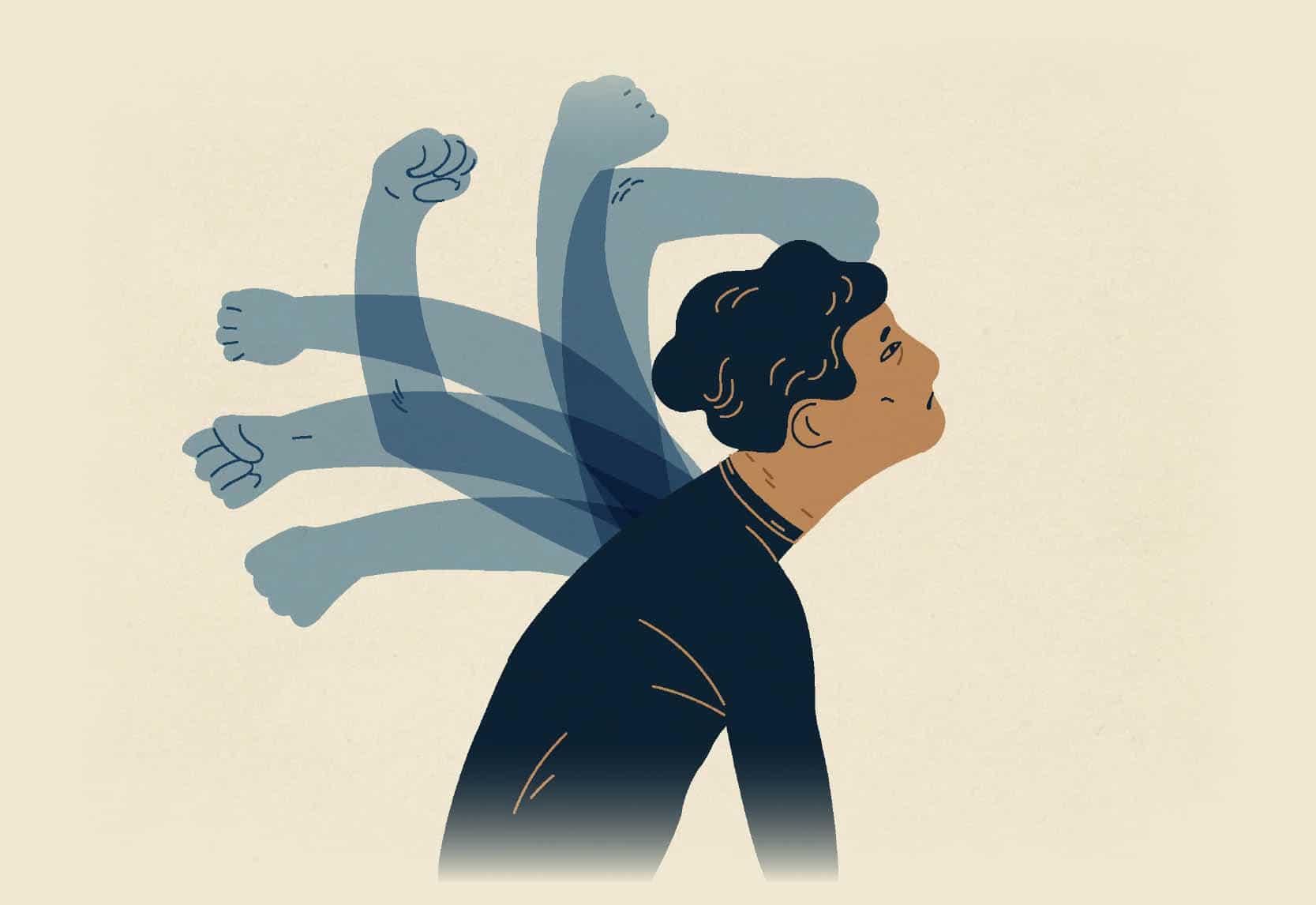
Why People Get in Their Own Way
Have you ever worked hard toward an important goal, only to find yourself avoiding the final step? Perhaps you delay opportunities, push away supportive people, or repeatedly make decisions that leave you feeling disappointed. These patterns can be confusing, especially when you genuinely want a better outcome. However, self-sabotaging behavior is not always a sign of laziness or a lack of motivation. Sometimes, it reflects deeper emotional struggles, learned patterns, and fears that influence everyday decisions.
Understanding the psychology of self-sabotaging behavior can help individuals recognize these patterns and begin making healthier choices. By exploring its causes, possible links to childhood experiences, and available therapeutic approaches, it becomes easier to understand why certain behaviors repeat and how meaningful change can begin.
What Is Self-Sabotage Psychology?
Self-sabotage psychology explores the thoughts, emotions, and behaviors that interfere with a person's goals, relationships, and personal development. It describes situations in which actions or avoidance patterns work against what someone consciously wants to achieve.
For example, a person may want a successful career but repeatedly postpone important applications. Another individual may desire a healthy relationship but withdraw whenever emotional closeness develops.
These behaviors can create frustration and guilt. A person may recognize that a decision is harmful yet struggle to respond differently. Understanding the emotional purpose behind a behavior is often more useful than simply criticizing it.
Self-sabotage is not a formal mental health diagnosis. It is a descriptive term for patterns that may occur alongside anxiety, low self-esteem, depression, trauma-related difficulties, or other psychological concerns.
Common Causes of Self-Sabotaging Behavior
Why would someone repeatedly interfere with something they genuinely want? The answer is rarely simple. Several psychological and environmental factors may contribute to these patterns.
1. Fear of Failure
Fear of failure can make important goals feel emotionally threatening. Someone may avoid applying for a promotion, starting a project, or pursuing a personal ambition because the possibility of rejection feels unbearable.
Avoidance can provide temporary relief, but it may also prevent valuable opportunities. Over time, the person may begin believing they are incapable, even when the real obstacle is fear.
2. Fear of Success
Success can bring unexpected pressure, responsibility, visibility, and changes in personal relationships. For individuals who feel uncomfortable with attention or higher expectations, progress may create anxiety rather than excitement.
As a result, they might delay important tasks or abandon opportunities just before reaching a milestone.
3. Low Self-Esteem
People who struggle with self-worth may find it difficult to believe they deserve positive experiences. Even when supportive relationships or professional opportunities become available, negative self-perceptions can create doubt.
A person may reject encouragement, minimize achievements, or expect disappointment because positive outcomes feel unfamiliar.
4. Perfectionism and Negative Thinking
Perfectionism can turn ordinary mistakes into personal failures. Someone who believes everything must be flawless may delay starting a task until the conditions feel perfect.
Negative thinking can strengthen this cycle through thoughts such as, "I will never be good enough" or "There is no point in trying." Recognizing these thought patterns is an important step toward change.
Psychological Reasons for Self-Sabotage
Self-sabotaging behavior may develop through different psychological processes. Sometimes, an individual chooses familiar discomfort over uncertain improvement because familiar situations feel more predictable.
Other times, avoidance becomes a way to manage difficult emotions. For example, postponing a challenging conversation may temporarily reduce anxiety, even though the unresolved conflict becomes more stressful later.
Emotional regulation difficulties can also contribute. When someone struggles to manage disappointment, embarrassment, anger, or uncertainty, impulsive decisions may provide immediate relief but create longer-term problems.
These patterns are not necessarily conscious decisions. Understanding their emotional triggers can help individuals respond with greater awareness instead of repeating automatic reactions.
Childhood Trauma and Self-Sabotage
Early experiences can influence how individuals understand relationships, safety, trust, and personal worth. Children who grow up around inconsistent support, frequent criticism, neglect, or emotional instability may develop beliefs that continue into adulthood.
For example, someone who experienced repeated rejection may become highly sensitive to criticism. Another person who grew up in an unpredictable environment may find stable relationships unfamiliar or uncomfortable.
These experiences can contribute to difficulties with trust, emotional closeness, and confidence. In some cases, a person may withdraw from supportive relationships or expect negative outcomes even when there is little evidence of danger.
However, childhood adversity does not automatically lead to self-sabotage. People respond differently to difficult experiences, and many develop healthy coping skills with time and support.
Recognizing the possible connection between past experiences and present behavior can create an opportunity for self-understanding rather than self-blame.
Signs You May Be Experiencing Self-Sabotaging Behavior
Self-sabotage can appear in everyday situations, making it difficult to recognize until the consequences become frustrating. Common patterns may include:
-
Repeatedly procrastinating on important responsibilities.
-
Avoiding opportunities because of fear or self-doubt.
-
Ending healthy relationships when emotional closeness increases.
-
Setting unrealistic expectations and feeling defeated when they are not met.
-
Ignoring personal needs to avoid disappointing others.
-
Giving up on goals after small mistakes or setbacks.
-
Engaging in negative self-talk despite positive feedback.
Experiencing one or two of these behaviors does not automatically mean someone has a psychological problem. Frequency, intensity, emotional impact, and interference with daily functioning are important considerations.
Therapy for Self-Sabotaging Behavior
Breaking established behavioral patterns can be challenging, especially when they are connected to painful emotions or long-standing beliefs. Therapy can provide a structured environment to understand these patterns and develop healthier responses.
A mental health professional may help identify emotional triggers, explore underlying beliefs, and examine how particular behaviors affect relationships and personal goals.
Different therapeutic approaches may be considered depending on an individual's circumstances.
Cognitive Behavioral Therapy for Negative
Cognitive behavioral therapy (CBT) is an evidence-based psychological treatment that examines connections between thoughts, feelings, and behaviors.
For someone experiencing self-sabotage, CBT may help identify unhelpful thinking patterns such as catastrophizing, all-or-nothing thinking, and harsh self-criticism.
For example, a person who believes one mistake means complete failure can learn to evaluate the situation more realistically. Instead of abandoning a project after a setback, they may develop practical ways to continue.
Exploring Past Experiences
When self-sabotaging patterns appear connected to difficult childhood experiences or unresolved emotional concerns, therapy may provide an opportunity to explore those experiences safely.
The goal is not to blame the past for every present difficulty. It is to understand how earlier experiences may influence current beliefs, emotional reactions, and relationship patterns.
Developing Healthier Coping Strategies
Therapy can also help individuals practice emotional regulation, communication, problem-solving, and realistic goal-setting. These skills may make it easier to tolerate uncertainty without immediately avoiding difficult situations.
How to Start Breaking the Self-Sabotage Cycle
Change often begins with noticing small patterns rather than expecting an immediate transformation. Consider identifying situations that trigger avoidance, writing down recurring negative thoughts, and setting manageable goals.
When a familiar behavior appears, pause and ask: What am I feeling right now? What outcome am I afraid of? Is this decision helping me move toward the life I want?
Small, consistent actions can gradually strengthen confidence. Progress may involve setbacks, but a difficult day does not erase previous growth.
Understanding self-sabotage is not about judging personal weaknesses. It is about recognizing patterns, understanding emotional needs, and finding healthier ways to respond.
If self-sabotaging behavior is affecting relationships, career goals, or emotional well-being, professional guidance can help. Orange Coast Psychiatry encourages individuals to take mental health concerns seriously and explore appropriate support. Consider connecting with a qualified mental health professional to understand recurring behavioral patterns, explore therapy options, and take a meaningful step toward healthier thinking and lasting personal growth.

 English
 Arabic
 French
 Spanish
 Portuguese
 Deutsch
 Dutch
 Italiano
 Russian
 Romaian
 Portuguese (Brazil)
 Greek
