
Understanding the Difference Between Wet and Dry Wound Dressing
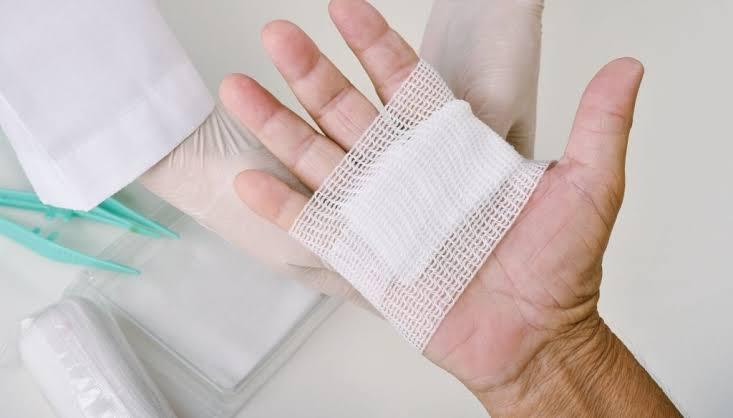
Proper wound care plays an essential role in protecting injured skin, preventing infections, and supporting the body's natural healing process. Choosing the right dressing is particularly important because different wounds require different levels of moisture and protection. Understanding the difference between wet and dry wound dressing helps patients and caregivers make informed decisions about wound management. Wound Dressing at Home in Dubai provides access to professional wound care, allowing patients to receive suitable treatment without frequent visits to medical facilities. Through services such as Doctor at Home, individuals can benefit from qualified healthcare professionals who assess wound conditions and recommend appropriate dressing techniques. Whether a patient has a surgical incision, pressure ulcer, minor injury, or chronic wound, selecting the correct dressing can improve comfort and support effective healing.
What Is Wet Wound Dressing:
Wet wound dressing refers to wound management techniques that use moisture to maintain a suitable healing environment. Depending on the wound and treatment method, this may involve moist gauze, specialised dressings, or products designed to maintain balanced moisture levels. Moist wound healing helps prevent the wound surface from becoming excessively dry, which can support natural tissue repair and the movement of skin cells across the affected area. Certain modern dressings, including hydrocolloid, hydrogel, and foam products, are designed to maintain appropriate moisture while managing wound drainage. However, the objective is not to keep the wound excessively wet. Healthcare professionals select dressing materials according to wound depth, drainage, surrounding skin condition, and healing stage to prevent complications such as maceration.
What Is Dry Wound Dressing:
Dry wound dressing generally involves covering a wound with dry dressing materials, such as sterile gauze or non-adherent pads, to provide protection and absorb small amounts of drainage. This approach may be suitable for selected wounds depending on their clinical characteristics and treatment requirements. Dry dressings can help protect injured skin from external contamination, friction, and accidental contact. They may also be used as secondary coverings over other wound treatment products. However, a dressing that allows the wound to become excessively dry can sometimes cause the surface to form a hard scab and may interfere with optimal healing. Healthcare professionals assess whether a dry dressing is appropriate based on the patient's condition rather than applying the same technique to every injury.
Key Differences Between Wet and Dry Wound Dressing:
Although both techniques aim to protect injured tissue, wet and dry wound dressings differ in their moisture management, applications, and effects on the healing environment. Moist dressings are generally designed to maintain balanced hydration, while dry dressings primarily provide coverage and absorb wound fluid. The appropriate choice depends on the type of wound, the amount of drainage, and the patient's overall health. Understanding these differences helps families recognise why professional wound assessment is important. Some important distinctions include:
-
Moisture levels: Wet or moisture-retentive dressings maintain hydration, while dry dressings provide a drier covering.
-
Healing environment: Moist wound healing supports natural tissue repair, whereas excessive dryness may slow certain healing processes.
-
Fluid management: Absorbent dressings help manage drainage, while moisture-retentive products maintain an appropriate balance.
-
Common materials: Wet wound management may involve hydrogels and hydrocolloids, while dry dressings often include sterile gauze and dry pads.
-
Wound suitability: The choice depends on wound condition, tissue health, and clinical recommendations.
Neither approach is universally suitable for every wound.
Benefits of Wet Wound Dressing for Suitable Injuries:
Maintaining an appropriate level of moisture can offer several advantages during wound healing. A balanced moist environment helps support the migration of skin cells, encourages natural tissue repair, and may reduce discomfort associated with dressing removal. It can also help prevent the wound surface from drying out and forming a hard covering that interferes with healing. Certain moisture-retentive dressings can support the management of selected wounds with minimal to moderate drainage. Additional benefits may include:
-
Supporting natural skin cell movement across the wound.
-
Helping maintain an appropriate healing environment.
-
Reducing the risk of dressings sticking to fragile tissue.
-
Supporting comfort during dressing changes.
-
Helping manage wound drainage when suitable absorbent materials are used.
However, excessive moisture can damage the surrounding skin. Professional assessment is necessary to ensure that the dressing maintains the correct moisture balance.
Benefits and Limitations of Dry Wound Dressing:
Dry wound dressings can be useful for protecting selected injuries and absorbing small amounts of wound fluid. They provide a physical barrier against dirt, friction, and accidental contact, making them suitable for certain superficial wounds and as secondary coverings. Sterile gauze is commonly used because it is widely available and can be applied in different wound care situations. However, dry dressings also have limitations. If the material sticks to the wound, removing it may damage newly formed tissue and cause discomfort or bleeding. Excessive dryness may also interfere with healing in certain wounds. Healthcare professionals therefore consider the wound's condition before recommending this approach and may use non-adherent materials to reduce tissue trauma during dressing changes.
How to Choose the Right Dressing for Different Wounds:
Selecting between wet and dry wound dressing requires careful evaluation because wound characteristics vary from patient to patient. A superficial injury with minimal drainage may require a simple protective dressing, while a wound with greater fluid production may benefit from a specialised absorbent product. Surgical wounds, diabetic ulcers, pressure injuries, and chronic wounds often require individualised treatment plans. Healthcare professionals examine factors such as wound depth, tissue appearance, infection signs, surrounding skin condition, and drainage levels before selecting a dressing. Important considerations include:
-
The size and depth of the wound.
-
The amount and type of wound drainage.
-
Whether the surrounding skin is fragile or irritated.
-
The presence of infection or inflammation.
-
The patient's medical history and healing ability.
-
The location of the wound and its exposure to friction or pressure.
Using an unsuitable dressing can delay recovery, making professional guidance an important part of wound management.
The Importance of Professional Assessment Before Dressing Changes:
Professional wound assessment helps ensure that patients receive treatment suited to their individual healing requirements. Nurses and healthcare professionals are trained to identify wound characteristics, select suitable dressing products, and recognise complications that may require medical attention. They can also determine when a dressing should be changed and whether the treatment approach needs adjustment. For example, a wound that initially requires an absorbent dressing may need a different product as drainage decreases and healing progresses. Patients receiving Wound Dressing at Home in Dubai can benefit from professional monitoring without the inconvenience of travelling to a healthcare facility. Qualified nurses can explain the purpose of each dressing, demonstrate appropriate care practices, and provide families with instructions for maintaining wound hygiene between appointments.
Common Mistakes to Avoid When Using Wet and Dry Dressings:
Incorrect dressing techniques can interfere with wound healing and increase the risk of infection or skin irritation. One common mistake is assuming that every wound should remain completely dry or, alternatively, that keeping it excessively moist will automatically improve recovery. Both approaches can create problems when used without considering the wound's condition. Other mistakes include changing dressings too frequently, reusing disposable materials, applying unsuitable household substances, and ignoring signs of infection. Patients and caregivers should avoid:
-
Applying a dressing without cleaning the wound appropriately.
-
Using non-sterile materials on wounds that require sterile supplies.
-
Allowing excessive moisture to accumulate around the wound.
-
Pulling off dressings that have become firmly attached without appropriate guidance.
-
Ignoring increasing redness, swelling, pain, or unusual discharge.
-
Changing prescribed dressing products without consulting a healthcare professional.
Following professional instructions helps maintain a safer wound care routine and supports consistent healing.
When Should Patients Seek Professional Wound Care:
Some wounds require more than basic dressing application and should be assessed by qualified healthcare professionals. Deep cuts, surgical wounds, pressure ulcers, diabetic foot wounds, and injuries that show delayed healing may require specialised treatment. Warning signs such as increasing pain, spreading redness, warmth, swelling, pus-like discharge, unpleasant odour, or fever should never be ignored. Patients with diabetes, poor circulation, or weakened immune systems may need more frequent wound assessments because complications can develop quickly. Professional wound care services help identify these concerns and determine whether additional treatment is necessary. Families should seek medical advice when a wound deteriorates, fails to improve, or develops unexpected symptoms rather than relying on dressing changes alone.
Final Thoughts
Understanding the difference between wet and dry wound dressing is essential for choosing appropriate wound care methods and supporting effective recovery. Moisture-retentive dressings can help maintain a suitable healing environment, while dry dressings provide protection and absorb drainage in selected situations. Neither option is appropriate for every injury, making professional assessment important before selecting or changing dressing materials. Wound Dressing at Home in Dubai offers patients convenient access to qualified wound care professionals who can recommend suitable products, monitor healing progress, and provide personalised treatment guidance. With proper dressing selection, good hygiene, and consistent medical supervision, patients can reduce avoidable complications and support a safer healing process.

 Arabic
 French
 Spanish
 Portuguese
 Deutsch
 Turkish
 Dutch
 Italiano
 Russian
 Romaian
 Portuguese (Brazil)
 Greek
