
How to Prevent Pests from Entering Your Home Through Drains and Sewer Connections
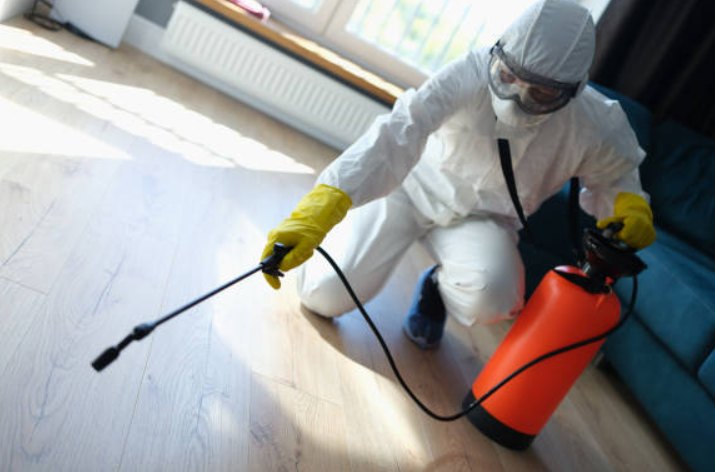
Drains and sewer connections are essential parts of every home's plumbing system, but poorly maintained openings can sometimes create access points for unwanted pests. Cracked pipes, damaged drain covers, leaking connections and uncovered outlets may allow insects and rodents to move into areas around your property. Effective pest control Perth homeowners can benefit from involves maintaining plumbing systems, keeping drains clean and identifying potential entry points before an infestation develops. With a few practical precautions and regular inspections, you can reduce pest activity around bathrooms, kitchens, laundries and outdoor drainage areas.
Why Drains Can Become Pest Entry Points
Drains provide dark, sheltered and often damp environments that can attract certain pests. When covers are damaged or pipe connections are poorly sealed, insects may find opportunities to enter buildings or nearby structures. Outdoor drains can also collect leaves, food residue, soil and other debris, creating conditions that support pest activity.
Pests may enter through damaged plumbing connections, gaps around drainpipes or openings near sewer infrastructure. Some insects may also emerge from areas around waste pipes and inspection points when maintenance issues are present.
It is important to understand that not every pest found near a drain has travelled through the sewer system. Some may have entered through nearby doors, windows or wall gaps before settling in damp areas. Identifying the actual source helps determine the right prevention measures.
Inspect Drain Covers and External Openings
Damaged or missing drain covers can leave openings that allow pests to access drainage areas. Outdoor grates, floor waste outlets and inspection openings should be checked regularly to ensure they are intact and correctly fitted.
Look for broken sections, loose covers and gaps around the edges of external drains. Replace damaged covers with suitable alternatives that allow water to flow properly while limiting unwanted access. Avoid using materials that could block drainage or create a flooding risk.
Check whether outdoor drains are surrounded by cracks or deteriorating concrete. These gaps may provide shelter for insects and allow moisture to collect around the property.
If a drain cover is difficult to remove or appears connected to a larger plumbing issue, contact a licensed plumber. Proper repairs help maintain drainage performance while reducing possible pest access.
Keep Sewer Connections and Pipe Openings Sealed
Pipes that pass through walls, floors and foundations can leave small gaps around their edges. These spaces may allow insects and rodents to move between outdoor and indoor areas. Pay particular attention to connections beneath kitchen sinks, bathroom basins, laundry tubs and external plumbing points.
Inspect visible pipe entry areas for loose fittings, damaged sealant and openings around the surrounding surface. Suitable gaps should be repaired using materials designed for the particular location. Avoid covering plumbing access points that need to remain available for maintenance.
Rodents can take advantage of damaged sewer connections and openings around utility pipes. Signs such as droppings, gnaw marks and scratching noises near plumbing areas should be investigated promptly. Professional rodent control Perth services can help assess possible access routes, identify signs of activity and recommend suitable management measures.
Never attempt to enter a sewer system or carry out repairs to underground connections yourself. These jobs require appropriate equipment and qualified professionals.
Prevent Insects from Gathering Around Damp Drains
Moisture is one of the main conditions that can encourage insect activity around drains. Leaking taps, slow drainage, standing water and damp floor areas may provide suitable environments for certain pests.
Start by checking bathrooms, laundries and kitchens for dripping taps and leaking pipe joints. Repair plumbing faults promptly and avoid allowing water to collect beneath sinks or around floor waste outlets.
Clean drain covers and surrounding surfaces regularly. Remove accumulated hair, soap residue, grease and organic debris using suitable cleaning methods. Always follow product instructions and never mix household cleaning chemicals.
Outdoor drainage areas also need attention. Clear fallen leaves and soil from grates to prevent blockages. Ensure water flows away from the building rather than collecting near foundations.
Spiders may settle around damp drainage areas because these locations can attract insects that provide a food source. Remove webs from accessible corners and reduce nearby insect activity. Professional spider pest control Perth services can assist when spider activity becomes persistent around drains, storage spaces or external walls.
Maintain Clean Kitchen and Bathroom Drains
Kitchen and bathroom drains regularly collect organic material that can contribute to unpleasant odours and attract certain insects. Food particles, grease, soap residue and hair can build up inside pipes when cleaning is neglected.
In the kitchen, wipe food scraps from plates before washing them and avoid pouring cooking grease down the sink. Allowing grease to enter pipes can contribute to blockages and create maintenance problems.
Use suitable drain strainers to catch food particles and other debris. Empty them frequently and wash them to prevent residue from accumulating. In bathrooms, remove hair and soap deposits from drain covers as part of routine cleaning.
If a drain develops a persistent smell, drains slowly or repeatedly becomes blocked, arrange a plumbing inspection. Strong odours may indicate a drainage problem that requires more than ordinary cleaning.
Keeping these areas clean helps reduce the conditions that may encourage cockroaches. If you notice repeated insect activity around sinks, cupboards or floor drains, professional cockroach control Perth services can help identify the source and recommend appropriate treatment.
Protect Floor Wastes and Unused Drain Outlets
Floor waste outlets are commonly found in bathrooms, laundries, garages and utility areas. These outlets help remove excess water, but they should be maintained correctly to prevent drainage problems and unwanted pest access.
Check that floor waste covers are present, secure and free from damage. Avoid leaving outlets uncovered after cleaning or maintenance work. If a floor waste is rarely used, ask a licensed plumber whether it has a suitable trap and whether it requires maintenance.
Some plumbing traps rely on water to maintain a barrier against sewer gases. If an outlet is unused for a long period, the water seal may dry out. This can allow unpleasant sewer odours to enter the room. A plumber can advise on the correct way to maintain the system.
Never block a floor waste with cloth, plastic or other household materials. Doing so may prevent water from draining properly and increase the risk of flooding.
Check Outdoor Drains After Heavy Rain
Heavy rainfall can move leaves, soil and garden debris into outdoor drainage systems. When water cannot flow freely, it may collect around the property and create damp conditions that attract insects.
After rain, inspect accessible drain grates and remove visible debris safely. Check whether water is draining away or remaining in puddles near external walls. Persistent pooling may indicate a blocked drain, damaged pipe or drainage design issue.
Pay attention to areas near garden beds, patios and outdoor kitchens. Soil and mulch can sometimes cover drain openings, making them difficult to inspect. Keep these areas clear so water can move through the drainage system.
If water backs up or sewage appears around an outlet, avoid contact with the affected area and arrange urgent assistance from a licensed plumber. Sewage can contain harmful contaminants and should not be handled without suitable precautions.
Understand the Difference Between Drain Problems and Termite Risks
Drainage issues can sometimes contribute to broader moisture problems around a property. Leaking underground pipes or persistent water accumulation may keep soil and nearby building materials damp. These conditions can increase concerns around vulnerable timber structures.
Termites do not need to enter through sewer connections to damage a property. They may access susceptible timber through concealed pathways in soil, foundations and building structures. Moisture problems can make some areas more favourable for termite activity.
Inspect accessible timber near bathrooms, laundries, external walls and garden structures for unusual damage. Look for mud leads, bubbling paint, damaged timber or other signs that may require further investigation.
Do not disturb suspected termite activity or assume that repairing a leak will eliminate an existing infestation. Professional termite pest control Perth services can assess vulnerable areas, investigate signs of activity and recommend appropriate protection for your property.
Establish a Regular Drain Maintenance Routine
Routine maintenance makes it easier to identify drainage problems before they become serious. A simple inspection schedule can help homeowners keep plumbing areas cleaner and reduce opportunities for pests to gather.
Include these tasks in your property maintenance routine:
-
Check outdoor drain covers for cracks, damage and loose fittings.
-
Remove leaves, soil and debris from accessible grates.
-
Inspect visible pipes for leaks and damaged connections.
-
Clean kitchen sink strainers and bathroom drain covers.
-
Check floor wastes for unusual odours or drainage problems.
-
Look for standing water around external plumbing.
-
Keep rubbish and organic waste away from drain openings.
-
Arrange professional inspections when blockages or leaks keep returning.
Avoid using harsh chemicals or makeshift tools to clear serious blockages. Incorrect methods can damage pipes and create additional problems. A licensed plumber should investigate recurring drainage faults.
When to Seek Professional Assistance
Some pest issues cannot be resolved through cleaning and basic maintenance alone. If insects repeatedly appear near drains, rodents are active around sewer connections or unpleasant odours continue despite cleaning, further investigation may be necessary.
A plumber can inspect damaged pipes, blocked drains and sewer connections, while a pest management professional can assess pest activity and identify possible entry points. These services address different parts of the problem and may both be needed when drainage faults contribute to an infestation.
Avoid handling sewage, damaged pipes or contaminated materials yourself. Professional assessment helps ensure that repairs and pest management measures are suitable for the situation.
Protect Your Home from Drain-Related Pest Problems
Keeping drains and sewer connections in good condition can help reduce unwanted pest activity around your home. Regular cleaning, secure drain covers, repaired pipe connections and proper moisture management all contribute to a cleaner environment. If you notice recurring pest activity or suspect an infestation, seek professional advice to identify the cause and determine suitable solutions. Eco Safe Pest Control Perth can assist with pest concerns and recommend practical management options for your property. For reliable pest control near Perth, contact the team on (03) 9357 7780 to discuss your pest management needs.

 English
 Arabic
 French
 Spanish
 Portuguese
 Deutsch
 Turkish
 Dutch
 Italiano
 Russian
 Portuguese (Brazil)
 Greek
