
Laser Scar Removal in Dubai for Acne Scars: Mechanism, Results, and Timeline
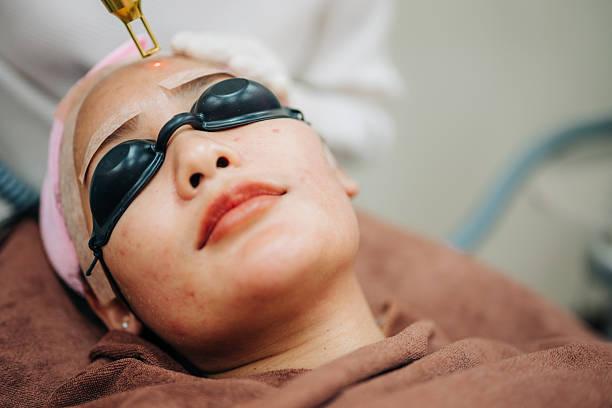
Acne can leave lasting changes in the skin even after active breakouts have settled. Some marks gradually fade, while others create depressions, uneven texture, or persistent redness. For suitable cases, Laser Scar Removal in Dubai may help improve selected acne scar features by targeting specific layers or structures within the skin. The best approach depends on the type of scar rather than the severity of acne experienced in the past.
Understanding how laser treatment works, what results may look like, and how long improvement takes can help patients make informed decisions.
Understanding the Different Types of Acne Scars
Acne scars are not all alike. Their shape, depth, and underlying structure influence which treatments may be useful.
Ice-pick scars
Ice-pick scars are narrow, deep depressions that extend into the skin. Their small surface opening can make them difficult to treat with general resurfacing alone.
A dermatologist may consider targeted techniques or combination procedures depending on their depth and distribution.
Boxcar scars
Boxcar scars have more defined edges and a wider depressed appearance. Their depth can vary, so treatment planning should consider whether the depression is shallow or extends deeper into the skin.
Selected resurfacing treatments may improve some surface irregularities.
Rolling scars
Rolling scars create a wave-like appearance because fibrous bands can pull the skin downward. Where tethering is present, a procedure such as subcision may be considered alongside or instead of laser resurfacing.
Post-acne marks
Flat red or brown marks left after acne are not necessarily structural scars. Redness and pigmentation require different assessment and may respond to different treatment approaches.
How Laser Scar Removal in Dubai May Improve Acne Scars
Laser treatment uses controlled light energy to create a specific effect in the skin. The intended result depends on the device and its settings.
Resurfacing selected textural scars
Fractional resurfacing systems deliver energy in microscopic treatment zones. Depending on the technology, these zones may remove tiny columns of tissue or heat targeted areas without removing the surface in the same way as ablative systems.
The healing response may support gradual changes in texture and collagen organisation.
Addressing persistent redness
If redness is a major concern, a vascular laser may be considered for selected cases. This approach targets blood vessels and does not work in the same way as resurfacing treatments.
Managing pigmentation concerns
Certain pigment-focused treatments may be considered for suitable discolouration. A dermatologist must first establish the cause of the pigmentation and assess the risk of making it worse.
What Results Can Patients Realistically Expect?
Laser treatment may soften the appearance of selected acne scars, improve uneven texture, or reduce certain forms of redness and pigmentation.
However, complete removal is not a realistic expectation for most established scars. The degree of improvement varies with scar depth, skin characteristics, treatment selection, and healing response.
Improvement in skin texture
Some patients may notice that treated areas appear smoother or that the edges of certain depressions become less prominent.
Deep scars may remain visible and could require additional targeted treatment.
Changes in redness or pigmentation
When the appropriate technology is selected, certain vascular or pigment-related concerns may improve. These outcomes should be assessed separately from changes in scar depth.
Gradual rather than immediate changes
The skin needs time to recover after treatment. Some textural changes may develop over subsequent weeks or months, depending on the procedure.
Understanding the Acne Scar Treatment Timeline
There is no single timeline for every laser procedure. The following stages provide a general explanation of what patients may experience.
| Stage | Possible skin response |
|---|---|
| Treatment day | Warmth, redness, or temporary sensitivity |
| Early recovery | Swelling, redness, peeling, or small crusts depending on the device |
| Healing period | Gradual settling of irritation and restoration of the skin barrier |
| Later assessment | Review of texture, colour, and remaining scar features |
| Longer-term follow-up | Assessment of remodelling and whether further treatment is appropriate |
Ablative treatments can involve more visible recovery than some non-ablative procedures. The clinician should provide a device-specific timeline.
Factors That Influence Acne Scar Treatment Outcomes
A treatment plan should account for several factors before the first session.
Scar depth and structure
Shallow scars may respond differently from deep, narrow, or tethered scars. Some require more than one treatment method to address their underlying structure.
Skin tone and pigmentation history
People with darker skin tones may have a greater risk of post-inflammatory hyperpigmentation after certain laser procedures.
The clinician may choose conservative settings, a different device, or a test spot when appropriate.
Active acne and inflammation
Active breakouts should be assessed before scar procedures begin. Treating ongoing acne is important because new inflammation can create additional marks and scars.
Treatment consistency and aftercare
Follow-up appointments should be based on healing and clinical review. Sun protection and appropriate skincare are important parts of recovery.
Can Laser Treatment Be Combined With Other Acne Scar Procedures?
Some acne scars have features that cannot be addressed effectively with one method.
A dermatologist may consider a combination plan that includes subcision for selected tethered scars, microneedling for appropriate textural concerns, or other targeted procedures. The sequence and timing should be determined clinically.
Combining treatments does not guarantee better results and may increase downtime or risk if not carefully planned.
When Should You Seek an Acne Scar Assessment?
A consultation may be useful when scars remain noticeable after acne has settled, when depressions affect skin texture, or when persistent redness or pigmentation is difficult to manage.
Patients should also seek advice if they are unsure whether a mark is a true scar or temporary post-acne discolouration. Accurate identification helps avoid unnecessary procedures.
Clinic Note
Acne scar treatment should be based on scar subtype. Ice-pick, boxcar, and rolling scars have different structures, while flat red and brown marks may represent vascular or pigment changes rather than tissue loss. A careful examination helps determine whether laser treatment alone is suitable or whether a combined approach should be discussed.
Frequently Asked Questions
Does laser treatment work for deep acne scars?
It may improve selected deep scars, but some types require targeted procedures or combination treatment. Outcomes depend on scar structure and depth.
Can laser treatment remove acne marks completely?
Complete removal cannot be promised. Treatment may improve selected features, but some visible irregularity can remain.
Should active acne be treated first?
Often, active acne needs to be controlled before scar procedures are planned. This helps reduce the risk of new scars forming.
How soon will acne scar results appear?
Initial recovery effects may settle over days or weeks, while some textural changes develop gradually. The timeline depends on the procedure.
Can darker skin tones receive acne scar laser treatment?
Some patients with darker skin tones may be suitable, but careful device and setting selection is important because pigmentation changes are a potential risk.
Explore Acne Scar Options at Tajmeels Clinic
Acne scar treatment begins with identifying the exact type of scarring and the changes a patient wants to address. Tajmeels Clinic can be approached for a consultation to discuss suitable options, expected recovery, and realistic improvement goals. An individual assessment can help determine whether laser treatment or a combination approach is appropriate.

 English
 Arabic
 French
 Portuguese
 Deutsch
 Turkish
 Dutch
 Italiano
 Russian
 Romaian
 Portuguese (Brazil)
 Greek
