
Understanding the Role of Skincare in Managing Melasma
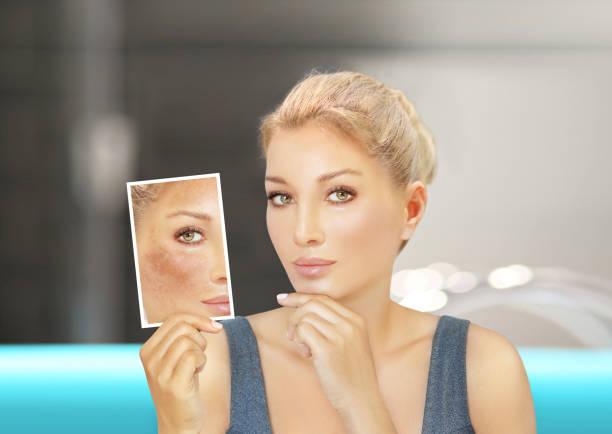
Melasma is a common pigmentation condition that causes brown or grey-brown patches to develop on areas such as the cheeks, forehead, nose, and upper lip. Although professional procedures may help improve visible discoloration, daily skincare plays an equally important role in managing this condition. Choosing suitable products, protecting the skin from sunlight, and avoiding irritation can help support a more balanced complexion. A consistent routine combined with professional guidance can make melasma treatment more effective as part of a long-term pigmentation management plan.
Why Is Skincare Important for Melasma?
Melasma develops when pigment-producing cells called melanocytes produce excess melanin in certain areas of the skin. This can create uneven patches that become more noticeable after sun exposure, hormonal changes, or skin irritation.
A suitable skincare routine helps address several factors that influence pigmentation. It supports the skin barrier, reduces exposure to common triggers, and allows recommended topical treatments to be used more consistently.
However, skincare products do not guarantee complete removal of melasma. The condition can be persistent and may require professional assessment, particularly when pigmentation does not improve with basic home care.
Essential Skincare Steps for Managing Melasma
A simple and consistent routine is often more helpful than using many strong products at once. The following steps can support skin health while addressing pigmentation concerns.
Use a Gentle Facial Cleanser
Cleansing removes dirt, excess oil, sunscreen, and other impurities that accumulate throughout the day. However, harsh cleansers can strip the skin's natural oils and cause irritation.
Choose a mild cleanser that suits your skin type. Avoid rough scrubbing, excessive washing, and products that leave the skin feeling tight or uncomfortable. Gentle cleansing helps maintain the skin barrier and prepares the face for other skincare products.
Apply a Suitable Moisturizer
Moisturizing is important because some pigmentation treatments can cause dryness, flaking, or sensitivity. A suitable moisturizer helps maintain hydration and supports the skin's protective barrier.
Individuals with dry or sensitive skin may prefer fragrance-free formulations, while those with oily skin can consider lightweight, non-comedogenic products. Keeping the skin comfortable can make it easier to follow a consistent skincare routine.
Choose Appropriate Pigmentation Ingredients
Certain skincare ingredients may help reduce the appearance of dark patches when used appropriately. Depending on individual needs, a qualified practitioner may recommend:
-
Azelaic acid: May help improve uneven pigmentation and is often considered for individuals with sensitive or acne-prone skin.
-
Retinoids: Support skin renewal and may be included in selected pigmentation routines.
-
Hydroquinone: A pigment-reducing ingredient that may be prescribed for melasma under professional supervision.
-
Vitamin C: An antioxidant ingredient that may support overall skin appearance and help address uneven tone.
-
Niacinamide: May support the skin barrier and contribute to a more balanced-looking complexion.
Not every ingredient is suitable for everyone. Some products can cause irritation, and combining multiple active ingredients without guidance may worsen pigmentation.
The Importance of Daily Sunscreen
Sun protection is one of the most important parts of managing melasma. Ultraviolet radiation can stimulate melanin production, making existing patches darker. Visible light may also contribute to pigmentation, particularly in individuals with darker skin tones.
A suitable sunscreen routine should include:
-
Broad-spectrum protection: Choose sunscreen with SPF 30 or higher to protect against UVA and UVB radiation.
-
Tinted formulations: Consider sunscreen containing iron oxides to provide additional protection against visible light.
-
Regular application: Apply sunscreen generously every morning and reapply during extended outdoor exposure.
-
Protective accessories: Wear wide-brimmed hats and sunglasses when spending time outdoors.
-
Shade: Limit unnecessary exposure during periods of intense sunlight.
Even on cloudy days, consistent sun protection remains important. It can help prevent existing pigmentation from becoming darker and support improvements achieved through other treatments.
Skincare Habits That May Worsen Melasma
Some common skincare practices can irritate the skin and make pigmentation more noticeable. Avoiding these habits can help reduce unnecessary inflammation.
Excessive Exfoliation
Using strong exfoliating acids, abrasive scrubs, or exfoliating brushes too frequently can damage the skin barrier. Irritation may trigger post-inflammatory hyperpigmentation, particularly in people who are prone to pigmentation.
Combining Too Many Active Ingredients
Using several strong products together may increase dryness, redness, and sensitivity. Introduce new ingredients gradually and follow professional recommendations.
Ignoring Skin Irritation
Persistent burning, redness, or peeling should not be treated as a sign that a product is working. Stop using an irritating product and seek professional advice if symptoms continue.
Skipping Sunscreen
Using pigmentation products without adequate sun protection can limit improvement. Regular exposure to ultraviolet and visible light may continue stimulating pigment production.
How Professional Treatments Complement Daily Skincare
For some individuals, home skincare alone may not provide sufficient improvement. A practitioner may recommend additional options after assessing pigmentation depth, skin sensitivity, and previous treatment responses.
Superficial Chemical Peels
Selected superficial peels may help improve uneven skin tone by encouraging controlled exfoliation. Their strength and frequency must be carefully selected to avoid irritation.
Laser and Light-Based Procedures
Certain devices may be considered for selected cases of persistent pigmentation. However, melasma can worsen after aggressive or unsuitable procedures, so professional assessment is essential.
Microneedling
Microneedling may be considered in specific treatment plans to support skin renewal. It is not suitable for everyone, and treatment intensity should be managed carefully to minimize inflammation.
Professional procedures should complement—not replace—daily skincare and sun protection.
Building a Consistent Routine for Long-Term Management
A manageable routine is easier to follow consistently. In the morning, gentle cleansing, suitable moisturizer, and sunscreen can provide a practical foundation. In the evening, cleansing and applying professionally recommended pigmentation products may support ongoing care.
The routine should be adjusted according to skin type, sensitivity, and treatment response. Regular consultations can help determine whether products should be continued, changed, or used less frequently.
Melasma is a chronic condition, so visible improvement does not always mean the pigmentation has been permanently eliminated. Maintenance and prevention remain important even after the complexion looks more even.
Get Professional Skincare Guidance at Royal Clinic Saudia
Managing melasma requires a combination of suitable skincare, consistent sun protection, and carefully selected professional treatments. If you are considering Melasma Treatment in Riyadh, a consultation can help identify the products and procedures that best match your skin type and pigmentation concerns. At Royal Clinic Saudia, you can explore professional guidance for managing uneven skin tone and developing a practical skincare routine. With realistic expectations and consistent care, Melasma Treatment in Riyadh can support gradual improvements in the appearance of pigmentation and overall skin health.

 English
 Arabic
 French
 Spanish
 Portuguese
 Deutsch
 Dutch
 Italiano
 Russian
 Romaian
 Portuguese (Brazil)
 Greek
