
Can Targeted Exercises Improve Strength and Flexibility?
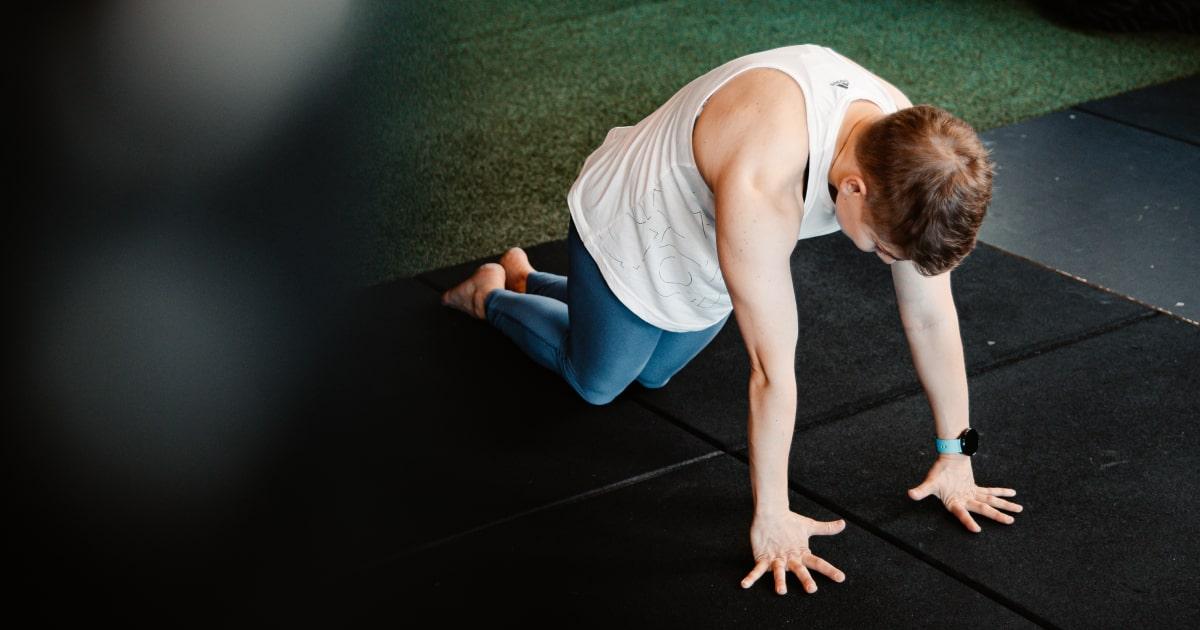
Strength and flexibility shape how well we move. They affect posture, comfort, and daily energy. Many adults notice both fade with time. Tight hips, weak legs, and stiff shoulders become common. Some people think this decline cannot be reversed. Research suggests otherwise. Targeted exercises can improve both strength and flexibility at any age. This article explains how and why they work. It also offers guidance for starting safely.
Understanding Strength and Flexibility
Strength is the ability of muscles to produce force. It supports lifting, walking, and balance. Flexibility is the available range of motion at a joint. It allows reaching, bending, and twisting. Both qualities depend on muscles, tendons, joints, and the nervous system. They also influence each other. Strong muscles can control a wide range of motion. Flexible joints allow strong, efficient movement. Training both gives the best results. Neglecting either creates imbalance.
What Does Targeted Mean?
Targeted exercise focuses on your specific needs. It begins with testing. Which muscles are weak? Which joints are stiff? Which movements cause pain or strain? Exercises are then selected to address these findings. Generic routines may miss important areas. A targeted plan uses time wisely. It also reduces the risk of overload. Progress is tracked and adjusted. This precision makes training more effective and enjoyable.
How Strength Training Works
Muscles grow stronger when challenged. Resistance causes tiny stresses that trigger adaptation. The body then rebuilds muscle fibres to be stronger. The nervous system also improves how it recruits muscle. Early gains often come from better coordination. Visible muscle growth follows over weeks. Resistance can come from body weight, bands, or weights. Gradual increases keep the challenge fresh. Rest days allow repair and growth. Consistency is the key ingredient.
Strength After Forty
Muscle mass slowly declines with age. This loss is called sarcopenia. Regular resistance training slows or reverses it. Adults in their sixties, seventies, and beyond can gain strength. Even small weights bring benefits. Stronger muscles improve balance and bone health. They also support independence. Starting later is always better than never starting. A professional can set safe starting points.
How Flexibility Training Works
Flexibility improves through repeated, gentle stretching. Muscles and connective tissue adapt to regular lengthening. The nervous system also becomes more tolerant of stretch. Holds of thirty to sixty seconds are common. Dynamic stretches use controlled movement. Warm muscles stretch more easily. Short daily sessions work well. Forcing a stretch can cause injury. Comfortable tension is the right target. Over weeks, range of motion grows noticeably.
Mobility Versus Flexibility
Mobility combines flexibility with strength and control. A person may be flexible yet unable to control that range. Mobility drills train control at the end of motion. Hip circles and shoulder slides are examples. They prepare joints for real tasks. Combining stretching with strengthening builds usable range. This approach protects joints during daily movement.
Combining Strength and Flexibility
Training both together offers a clear advantage. Strengthening through a full range builds both qualities. Slow lowering phases can lengthen muscles under load. Lunges, deep squats, and overhead presses are examples. Yoga and Pilates also blend the two. Warm ups use dynamic mobility before heavier work. Cool downs include gentle stretches. This balance keeps muscles supple and powerful. It also lowers injury risk.
Exercises for Common Problem Areas
Different body regions need different attention. Hips often become tight and weak. Bridges and hip flexor stretches help. Shoulders need blade control and range. Wall slides and band rows are useful. The upper back benefits from rotation and extension drills. Calves and ankles affect walking and balance. Calf raises and gentle stretches support them. The core stabilises everything. Planks and carries build lasting stability. A therapist can tailor choices to your body.
The Role of Professional Support
Not everyone knows where to start. Pain, injury, or health conditions add complexity. A trained therapist offers clarity. They screen for risks and adapt plans. Visiting an adult physiotherapy clinic can provide a thorough assessment and structured programme. Technique coaching prevents mistakes. Progress tests show real change. Support also boosts confidence. Many people stay consistent when they feel guided. Professional input shortens the path to results.
Recovery and Lifestyle Support
Exercise works best alongside healthy habits. Protein intake supports muscle repair. Balanced meals fuel training. Water supports joint and muscle health. Sleep is vital for adaptation. Stress management helps muscles relax. Rest days prevent overuse. Gentle walking supports recovery. These habits amplify the effects of training. Small daily choices make a visible difference.
How Often Should You Train?
Frequency depends on goals and fitness. Many adults do well with strength work two or three times weekly. Sessions can last thirty to forty minutes. Flexibility work can be done most days. Short ten minute routines count. Intensity should feel challenging but controlled. Mild soreness is normal. Sharp pain is not. Listening to the body guides adjustments. A simple weekly schedule helps maintain habits.
Safety Tips for Beginners
Begin with lighter loads and learn good form. Warm up before every session. Move through pain free ranges. Breathe steadily during effort. Avoid comparing yourself with others. Progress in small steps. Stop and seek advice if symptoms worsen. Check with a doctor if you have heart or blood pressure concerns. Safe habits keep training enjoyable. Confidence builds with each session.
Measuring Progress
Progress can be seen in many ways. Strength may rise in repetitions or load. Flexibility may show in reach or joint angles. Daily tasks may feel easier. Pain may reduce. Photos, notes, and simple tests help track change. A therapist can repeat baseline tests. Celebrating wins keeps motivation high. Plateaus are normal and can be solved with small changes. Long term trends matter most.
Final Thoughts
Targeted exercises can improve both strength and flexibility. They work by challenging muscles and gently extending tissue. Assessment ensures the plan matches your needs. Combining strength and mobility gives the best results. Professional guidance adds safety and clarity. Healthy habits support every gain. Start with small, steady steps. Your body can adapt well at any age. Stronger, more flexible movement is within reach.

 English
 Arabic
 French
 Spanish
 Portuguese
 Deutsch
 Turkish
 Dutch
 Italiano
 Russian
 Portuguese (Brazil)
 Greek
