
How Can Bone Stimulation Technology Support Recovery?
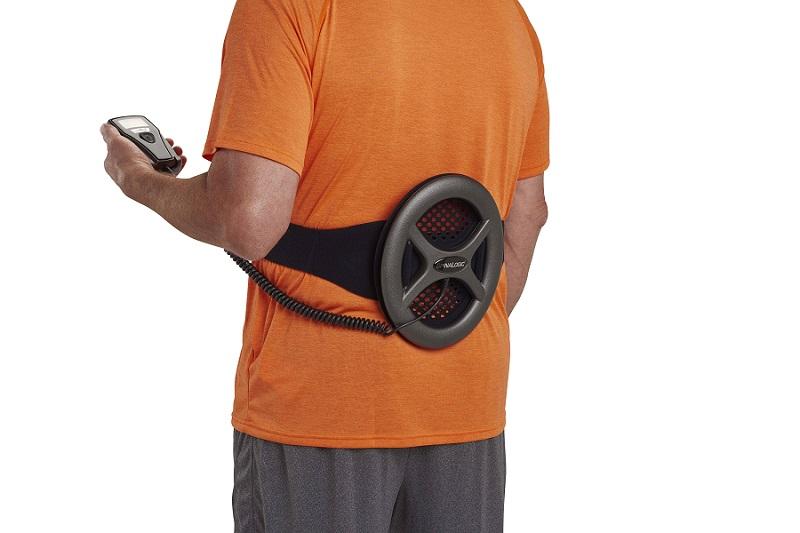
Bone stimulation technology sounds futuristic. In reality, it has been used for decades. It helps certain fractures heal when natural repair needs a boost. Many patients hear about it from their surgeon. Few understand how it works. This article explains the technology in simple terms. It covers the main types, the evidence, and daily use. It also lists safety points and practical tips.
The Idea Behind Stimulation
Bone responds to its environment. Mechanical loading and electrical signals guide cell behavior. When a limb is immobilized, many of these signals fade. Healing cells may slow down.
Stimulation devices try to restore helpful signals. They deliver controlled energy near the fracture. Cells sense this energy and become more active. The aim is not to force bone to grow. It is to support the natural process. The technology works best when the bone is stable and well aligned. It cannot repair a poorly set fracture. It can help a well-set fracture progress better.
Electrical Stimulation
Electrical stimulators use small currents. Some use electrodes placed on the skin. Others use coils that create fields around the limb. A few are implanted during surgery.
The currents mimic natural electrical activity in bone. Cells respond by increasing growth factor release. Bone matrix production also rises. Many external devices are worn for several hours daily. Others require shorter sessions. Implanted types work continuously. They are reserved for complex cases. Evidence is strongest for nonunions and spinal fusion. Doctors choose the type based on location and risk. Patients receive clear instructions on placement and timing.
Ultrasound Stimulation
Low-intensity pulsed ultrasound is another option. A small transducer sends sound waves through the skin. The waves are pulsed and low in power. They do not heat tissue.
Bone cells sense the mechanical vibration. They respond with higher activity and more growth factors. Blood vessel growth also improves. The usual session lasts about twenty minutes. The patient applies gel and positions the unit. The process is quiet and painless. Studies have shown faster healing in some tibial and wrist fractures. Results depend on fracture type and patient factors. Doctors consider the evidence when prescribing.
Pulsed Electromagnetic Field Therapy
Pulsed electromagnetic field therapy uses changing magnetic fields. A coil is placed around or near the fracture. The field passes through clothing and cast material in some designs. It induces tiny currents in bone tissue.
These currents influence cell signaling. Research shows benefit in some delayed unions and nonunions. Treatment time varies by device. Some require a few hours daily. Others use shorter sessions. The approach is non-invasive and generally well tolerated. It may be useful when skin contact is difficult. Ask your doctor whether this option suits your fracture. As with all devices, steady daily use matters.
Who Might Be Offered Stimulation
Doctors do not prescribe stimulation for every fracture. Most simple breaks heal well without it. They think about risk and progress.
A bone growth stimulator may be considered for several situations. These include delayed union, nonunion, and fractures in high-risk locations. Patients who smoke or have diabetes may also qualify. Some spinal fusion patients receive one after surgery. Insurance often requires proof of delayed healing. X-rays and clinic notes provide that proof. Patients should ask about coverage early. A clear plan avoids delays in starting therapy.
Using a Device Correctly
Correct use drives results. Follow the schedule exactly. Do not skip days. Do not extend sessions beyond instructions. Place the device where the doctor advises.
Keep the skin clean and dry. Replace electrodes or gel as directed. Charge batteries on time. Many devices log each session. This record helps doctors check use. Try to pair treatment with a daily habit. Morning coffee or evening reading works well. If you miss a session, do not double up. Simply resume the normal schedule. Tell your clinic if the device fails. Quick support prevents long gaps in treatment.
Safety and Limits
Stimulation devices have generally good safety records. Side effects are usually mild. Skin irritation is the most common problem. It often improves with a new gel or electrode position.
Some people should avoid certain devices. Pacemakers and similar implants can interact with electrical fields. Tumors near the site are a concern. Active infection should be treated first. Pregnancy needs medical advice. Do not use a device that was prescribed for someone else. Doctors tailor choices to each patient. If you notice burning, new pain, or swelling, stop and call. Safe use protects both comfort and results.
Combining Stimulation With the Rest of Care
Stimulation is one part of a larger plan. Stable fixation remains the base. Nutrition supplies building materials. Tobacco cessation improves blood flow. Rehabilitation restores function.
Doctors monitor progress with X-rays. If healing improves, the plan continues. If not, they may adjust strategy. Surgery or bone grafting might be considered. Stimulation does not delay needed surgery when it is clearly required. It is an aid, not a cure-all. Patients who combine all parts of care tend to do best. Keep communication open. Share how you feel and how you use the device.
Bone stimulation technology supports recovery by encouraging the body’s own repair cells. Electrical, magnetic, and ultrasound methods each have a place. They work best in selected patients and within a complete care plan. Ask your doctor whether stimulation could help your fracture. If prescribed, use it consistently and keep follow-up visits.

 English
 French
 Spanish
 Portuguese
 Deutsch
 Turkish
 Dutch
 Italiano
 Russian
 Romaian
 Portuguese (Brazil)
 Greek
